Get all your news in one place.
100's of premium titles.
One app.
Start reading
The Economic Times
The Economic Times
Team Global

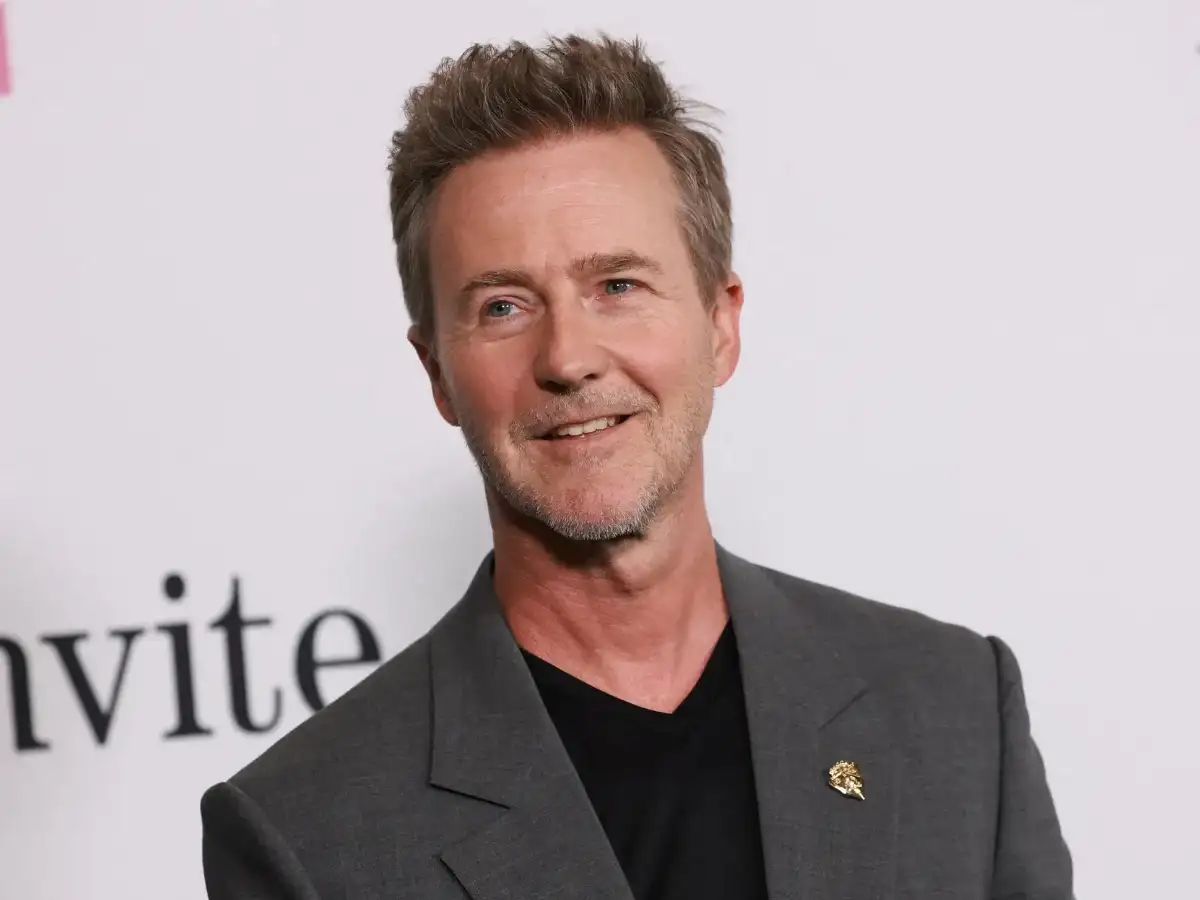
In 2005, Fight Club star Edward Norton put solar panels on his Los Angeles home; each participating celebrity triggered another free solar system for a low-income family

Edward Norton is known for playing complicated characters, but by 2005, when the Los Angeles Times ran a feature on his home's solar installation, the actor had also become known for something far simpler: solar panels on his own roof. What began as one actor's home upgrade eventually became something much bigger. The study, ‘Peer Effects in the Diffusion of Solar Photovoltaic Panels,’ published in Marketing Science by researchers Bryan Bollinger and Kenneth Gillingham, found that when one house puts in solar panels, the neighbors are more likely to follow suit. The study itself examined solar adoption patterns across California and did not study Norton's program directly. But years before that research was published, Norton had already built a real-world initiative on a similar premise, one that turned his own rooftop decision into free solar systems for scores of low-income households across Los Angeles.

A family history that influenced his decision
Norton and his brother started looking into solar panels for his Los Angeles home in the early 2000s, he said in an interview with Grist. They found that state and city subsidies made it not only eco-friendly but also financially wise. In addition to all that, there was a very personal motive for this decision. Norton has said his grandfather, James Rouse, founded the Enterprise Foundation, one of the largest nonprofit developers of affordable housing in the country, a connection he has credited with shaping his focus on low-income households, according to the same Grist interview. The family connection helped Norton realize that the homes that could benefit most from solar power were often the ones that could least afford it.

How the Solar Neighbors program worked

In 2003, two years before the Los Angeles Times featured his home, Norton partnered with BP, the global energy company whose solar subsidiary, BP Solar, was among the world's leading photovoltaic panel producers at the time, to launch the Solar Neighbors Program. The idea was simple. Whenever any celebrity purchased a solar system for themselves, BP would give away a similar system for free to a family from a lower economic stratum living in Los Angeles. By the end of the first year, the program had already funded dozens of installations for families who otherwise could not have afforded them.

Sign up to read this article
Read news from 100's of titles, curated specifically for you.
Already a member? Sign in here
Related Stories
Top stories on inkl right now
One subscription that gives you access to news from hundreds of sites
Already a member? Sign in here
Our Picks
Fourteen days free
Download the app
One app. One membership.
100+ trusted global sources.