
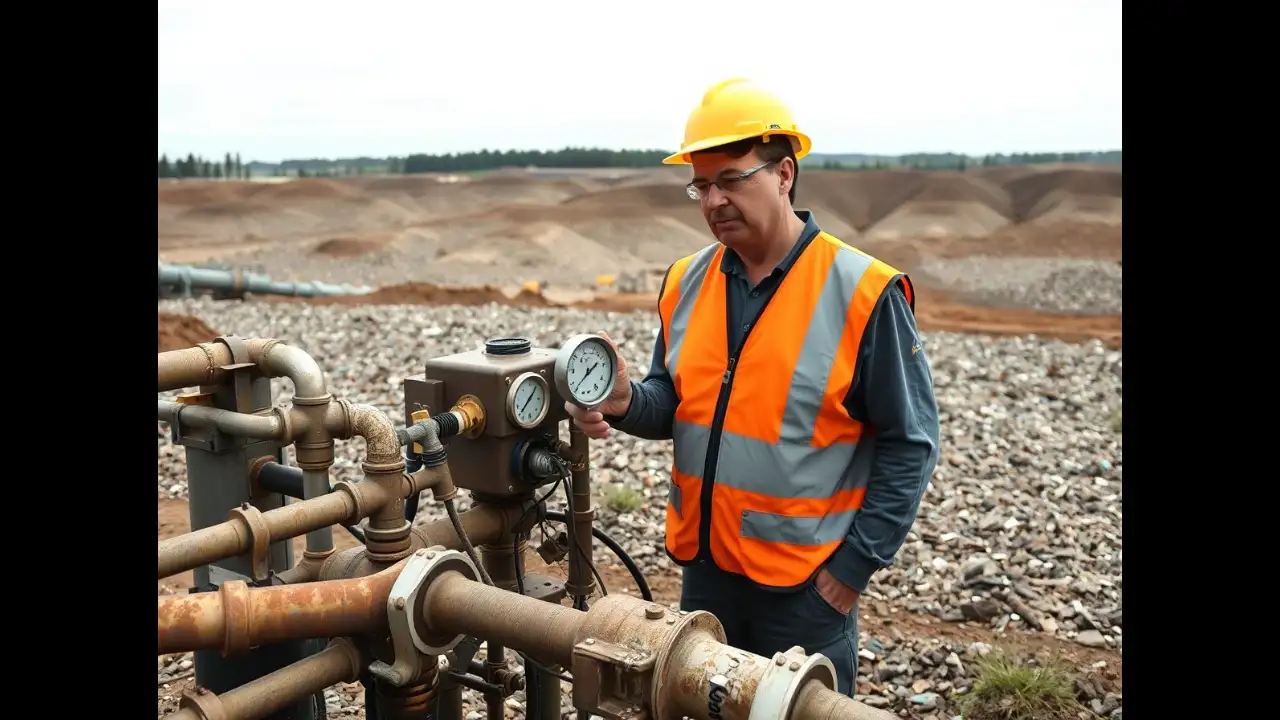
In 2003, an ambitious waste-to-energy project in Salinas Victoria, Nuevo León, Mexico, demonstrated that a landfill could become more than a place for discarded materials. Instead, methane produced naturally as buried organic waste decomposed was captured and converted into electricity. The Bioenergía de Nuevo León (BENLESA) project began operations in September 2003 with an initial generating capacity of about 7 megawatts (MW). Contemporary and World Bank materials describe the project as an effort to reduce pollution and greenhouse-gas emissions associated with landfill methane while putting the gas to productive use. The initiative became an important example of landfill-gas-to-energy technology in Latin America, linking waste management, renewable energy and urban infrastructure in the Monterrey metropolitan area.
The basic idea behind the project was relatively simple but technically significant. As organic material decomposes without oxygen inside a landfill, it produces landfill gas containing methane. Rather than allowing that gas to escape into the atmosphere or simply burning it without recovering its energy, the Salinas Victoria project installed a collection system to capture it.













