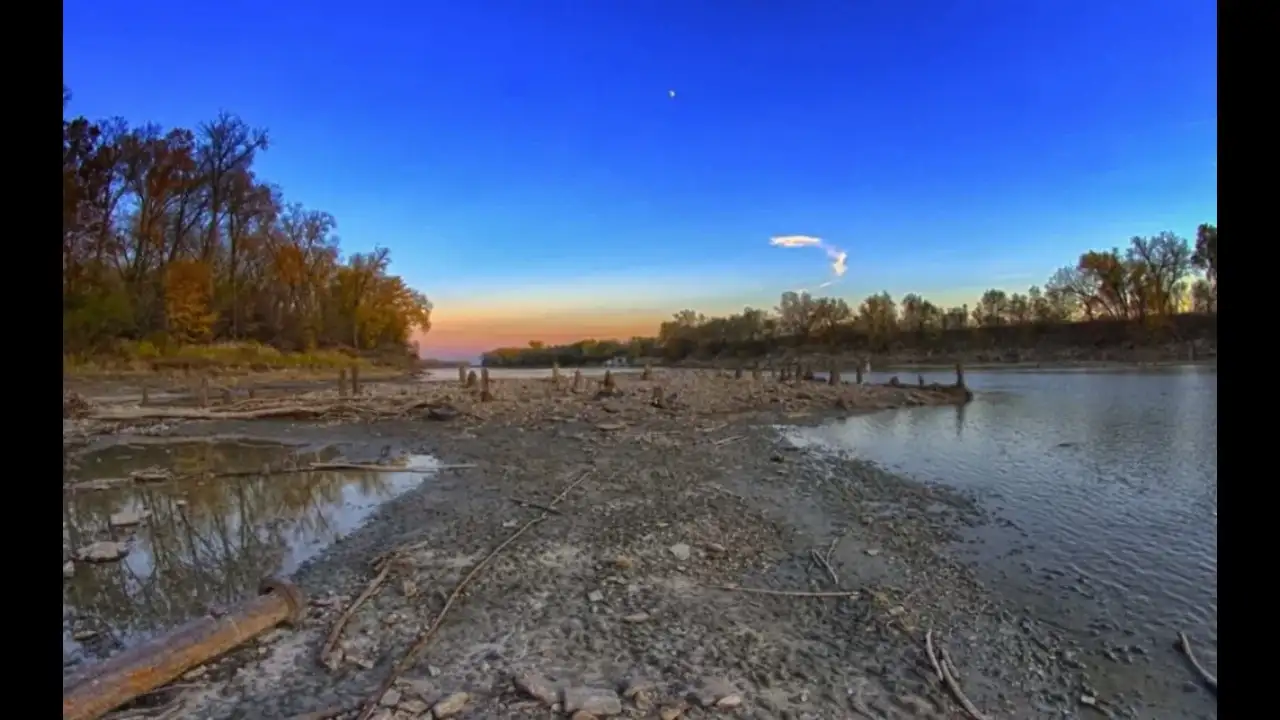
In 2002, environmental monitors in Kansas delivered sobering news about the North Cottonwood River. Testing revealed copper levels reaching 14.1 micrograms per liter, significantly exceeding safety thresholds for aquatic life. The state officially designated the waterway as impaired under the Clean Water Act. In agricultural watersheds, elevated copper often stems from soil erosion carrying trace minerals, synthetic fungicides, and livestock feed additives directly into stream channels.
Resolving the issue required a massive shift in local land management rather than high-tech water treatment plants. Farmers throughout the watershed adopted no-till planting and cover crops to anchor topsoil firmly against heavy rainfall. Landowners also planted vegetated buffer strips along stream banks to catch sediment. At the same time, ranchers fenced livestock out of delicate channels to prevent bank collapse.