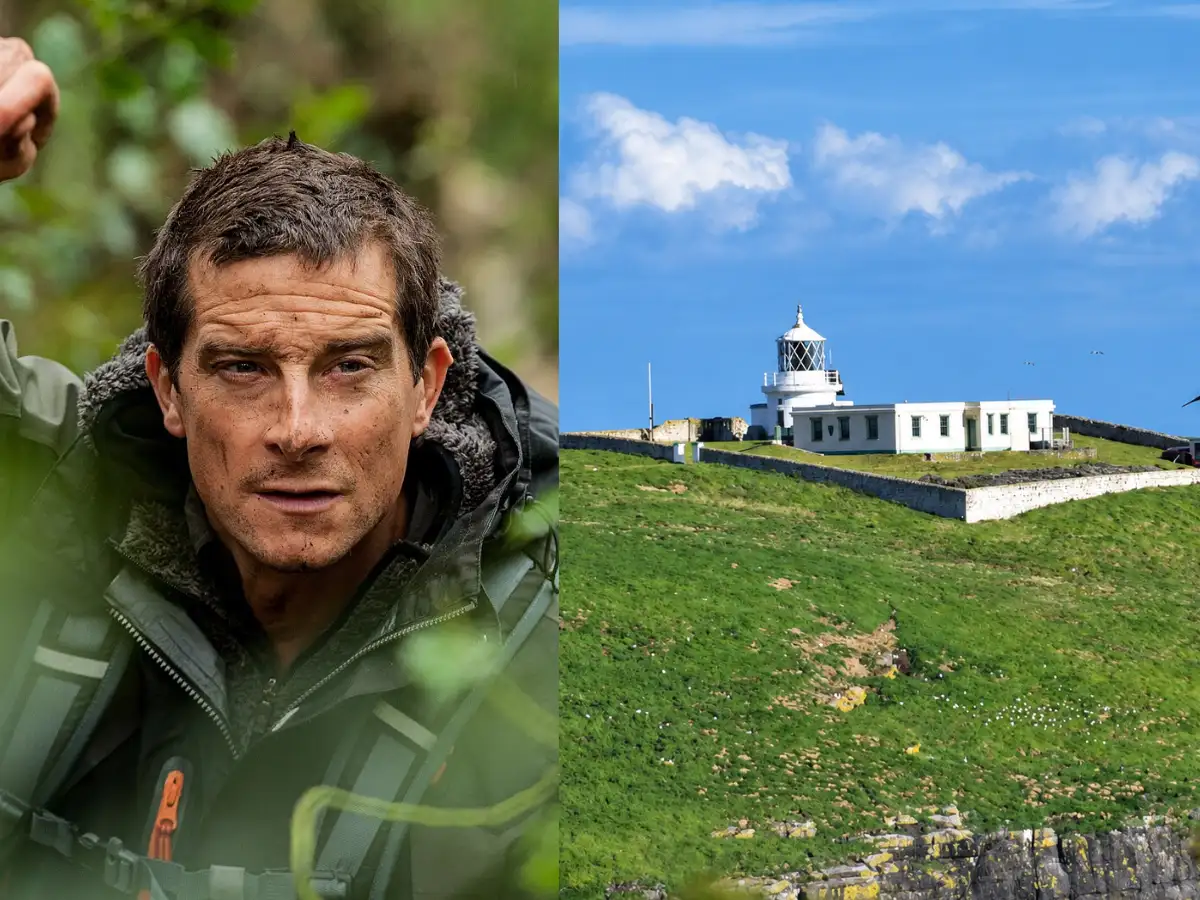
Most newlyweds save up for a flat. Bear Grylls bought an island with a crumbling lighthouse, no electricity and no running water. More than two decades later, the island is still off-grid and fully functional. A 2021 study in the International Journal of Renewable Energy Research modeled a similar wind-solar-battery setup for an off-grid home and found that steady power depends on carefully matching the size of the turbines, panels, and batteries to each other. Long before off-grid living became a trend, Grylls had built his own version on a rocky patch of Wales.
An island cheaper than a London apartment