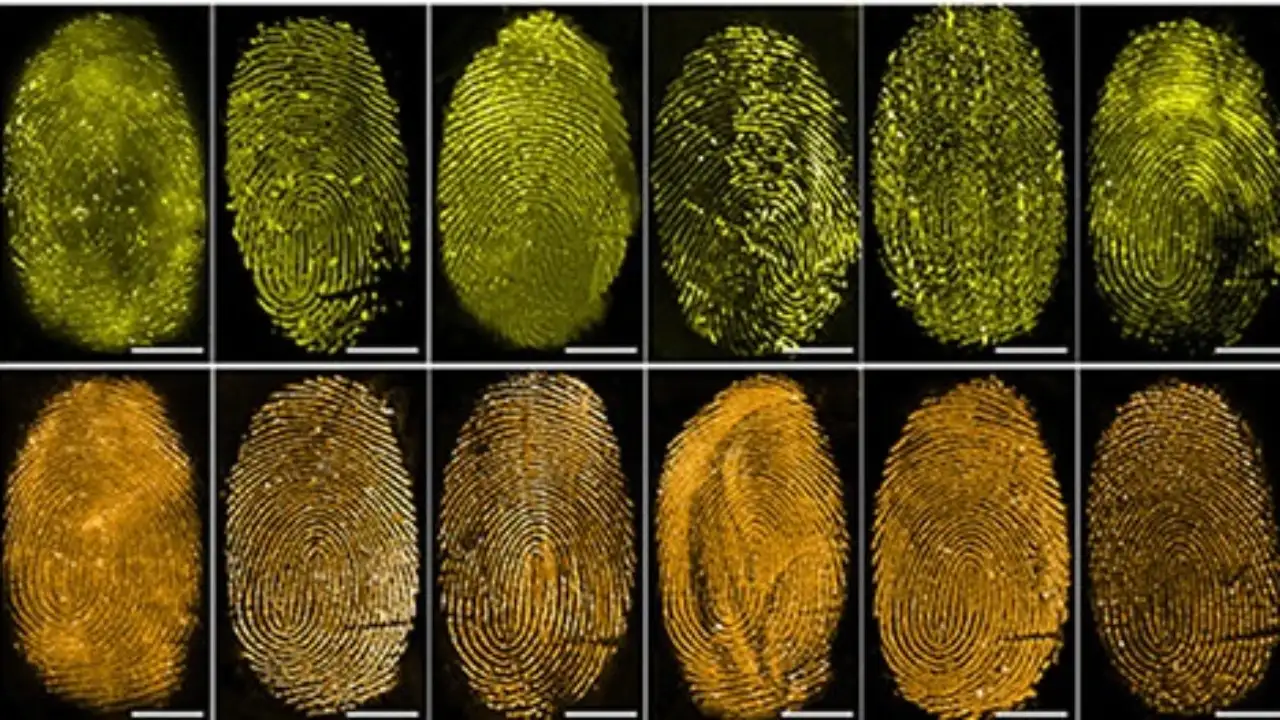
In the late 1990s, forensic investigators faced a persistent obstacle when working with delicate physical evidence left behind at crime scenes. While chemical sprays and ultraviolet light could illuminate latent fingerprints, everyday surfaces like printed cardboard, dark denim, and paper currency often absorbed the light and glowed just as intensely as the evidence itself. This background glare, known as autofluorescence, effectively drowned out the fine ridge details needed to identify a suspect or resolve a case.
To address this limitation, researchers at Sandia National Laboratories secured a $393,000 federal grant in 1997 to develop a completely different optical approach. Their goal was simple in concept but technically demanding: force organic evidence to blink so investigators could isolate vital clues from surrounding visual noise.