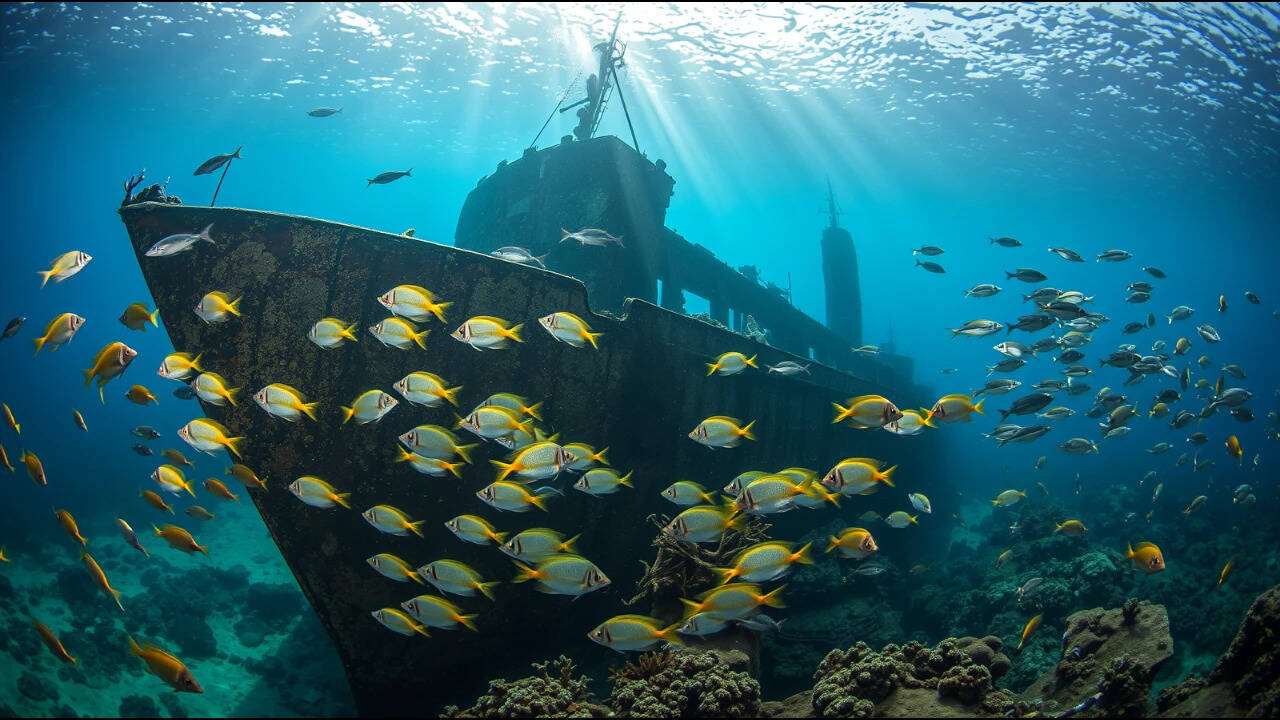
In 1997, HMAS Swan was sunk by design off the coast of Western Australia. Once a seagoing warship, HMAS Swan was later turned into an artificial reef in Geographe Bay, where its steel structure now supports a diverse range of marine life. Scientists monitored the wreck over the next five years, and the Department of Conservation and Land Management's monitoring report recorded 92 fish species using the former warship.
Get breaking news anytime, anywhere. Download the TOI app now!
In the long-term monitoring study, undertaken by the Department of Conservation and Land Management of Western Australia, alterations within the area throughout time since it became submerged were observed. Instead of just conducting one survey, repeat surveys were performed on the wreck from 1998 to 2003 to observe any alterations in fish populations. This study is among the most comprehensive investigations carried out in Australia concerning the marine community of a purposefully sunk warship.
The second life of a warship underwater
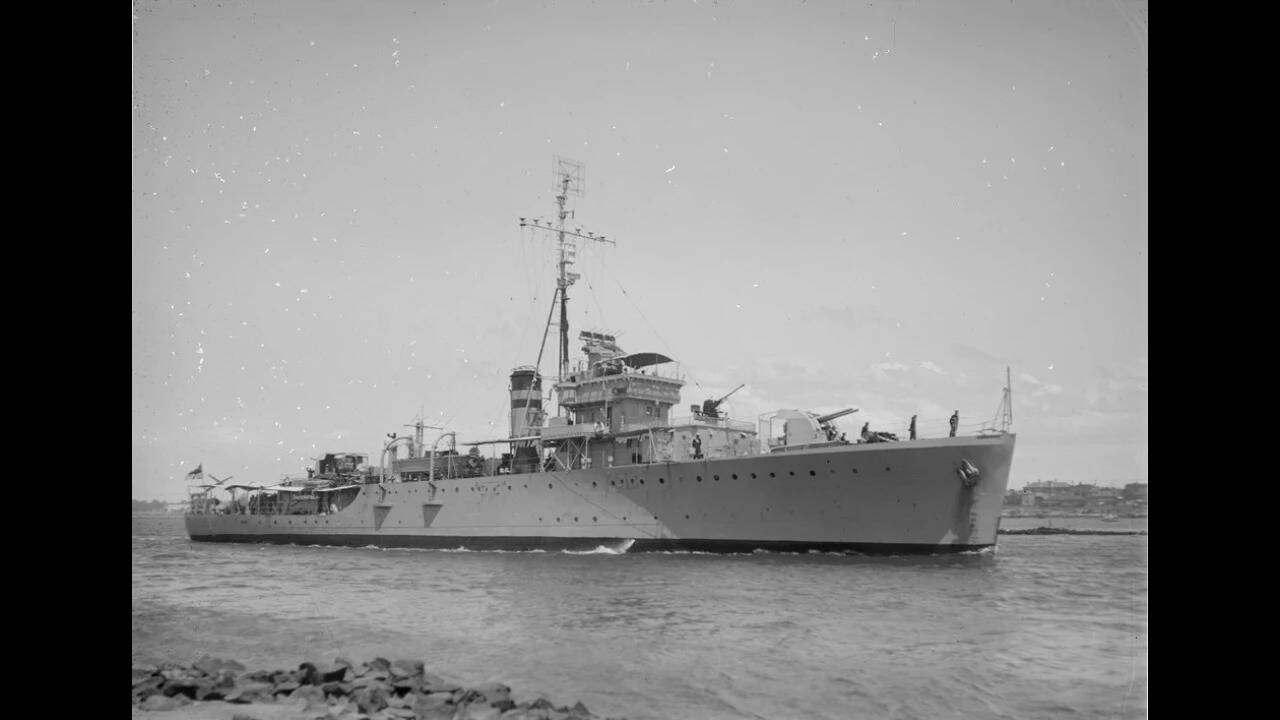
Before becoming an artificial reef, the HMAS Swan warship had been in service within the Royal Australian Navy for more than 20 years. After retirement, the ship was cleaned and prepared for its scuttling at Dunsborough.
According to the Department of Conservation and Land Management report, the newly submerged ship initially offered little more than hard surfaces. As time passed, those surfaces were colonised by marine organisms, creating conditions that attracted an increasing variety of fish.
The monitoring programme found that fish began to use the wreck soon after it was scuttled. With each survey, researchers recorded changes in the mix of species found around the vessel. By the end of the five-year study, a total of 92 fish species had been identified.
The report describes reef-associated fish near the structure and species moving through the surrounding waters. Schools of smaller fish were commonly observed around the wreck, while larger predatory species also appeared during surveys.
Other researchers highlighted the design of the ship as another explanation for its diversity of fish species. The combination of open decks, vertical surfaces, enclosed rooms and passages resulted in the creation of diverse underwater habitats, giving way to species inhabiting various parts of the wreck.
Five-year monitoring revealed a dynamic ecosystem
Over the five-year study, the surveys showed that the fish community around HMAS Swan continued to change as the artificial reef matured. Rather than remaining static, the species recorded on and around the wreck varied over time, reflecting the gradual development of the underwater habitat.
The study found that the fish community changed throughout the year. According to the monitoring report, some species were recorded only during particular seasons, while others were present more consistently. These patterns reflected natural seasonal changes in the surrounding marine environment.