Get all your news in one place.
100's of premium titles.
One app.
Start reading
The Economic Times
The Economic Times
Team Global

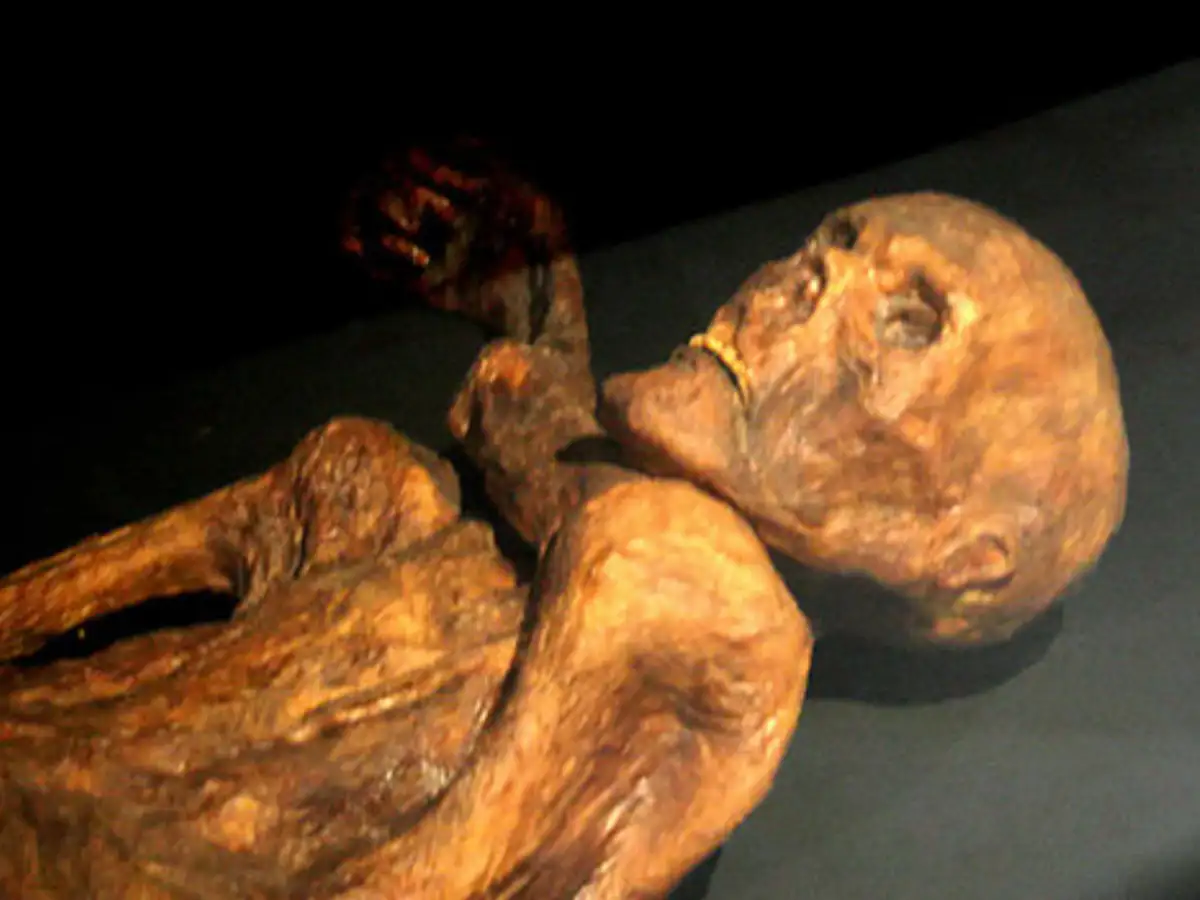
In 1991, hikers in the Alps saw a body in melting ice and found Europe’s oldest known natural human mummy, “Ötzi the Iceman.”

In September 1991, an ordinary Alpine hike turned into something extraordinary, changing the course of modern archaeology. While out for a walk, Helmut and Erika Simon spotted what looked like a body on a glacier along the Austria-Italy border. No one imagined they'd stumbled upon an ancient find; they thought it might just be a recent victim of a climbing accident, considering the dangerous conditions up in those mountains.

According to a review in the National Center for Biotechnology Information, what first looked like a modern-day fatality was actually one of the oldest and best-preserved mummies ever found, and the initial confusion gave way to astonishment when tests revealed the person's true age.

But what the world didn't know then was that the body had been preserved in ice for over five thousand years. When people discovered its true age, it was named Ötzi the Iceman. He's a Copper Age mummy, naturally preserved, that gave scientists tons of insights into how Europeans lived way back then.

Sign up to read this article
Read news from 100's of titles, curated specifically for you.
Already a member? Sign in here
Related Stories
Top stories on inkl right now
One subscription that gives you access to news from hundreds of sites
Already a member? Sign in here
Our Picks
Fourteen days free
Download the app
One app. One membership.
100+ trusted global sources.