In 1991, EPFL scientists Brian O’Regan and Michael Grätzel altered photovoltaics by mimicking nature. Their pioneering Dye-Sensitized Solar Cell paired light-absorbing dyes with nanostructured titanium dioxide, successfully replicating how plant leaves capture energy. Contrary to common belief, the technology did not take decades to cross the efficiency mark. The original prototype achieved roughly 12 percent efficiency under diffuse daylight upon release, eventually surpassing 12 percent in direct sunlight by 2012.
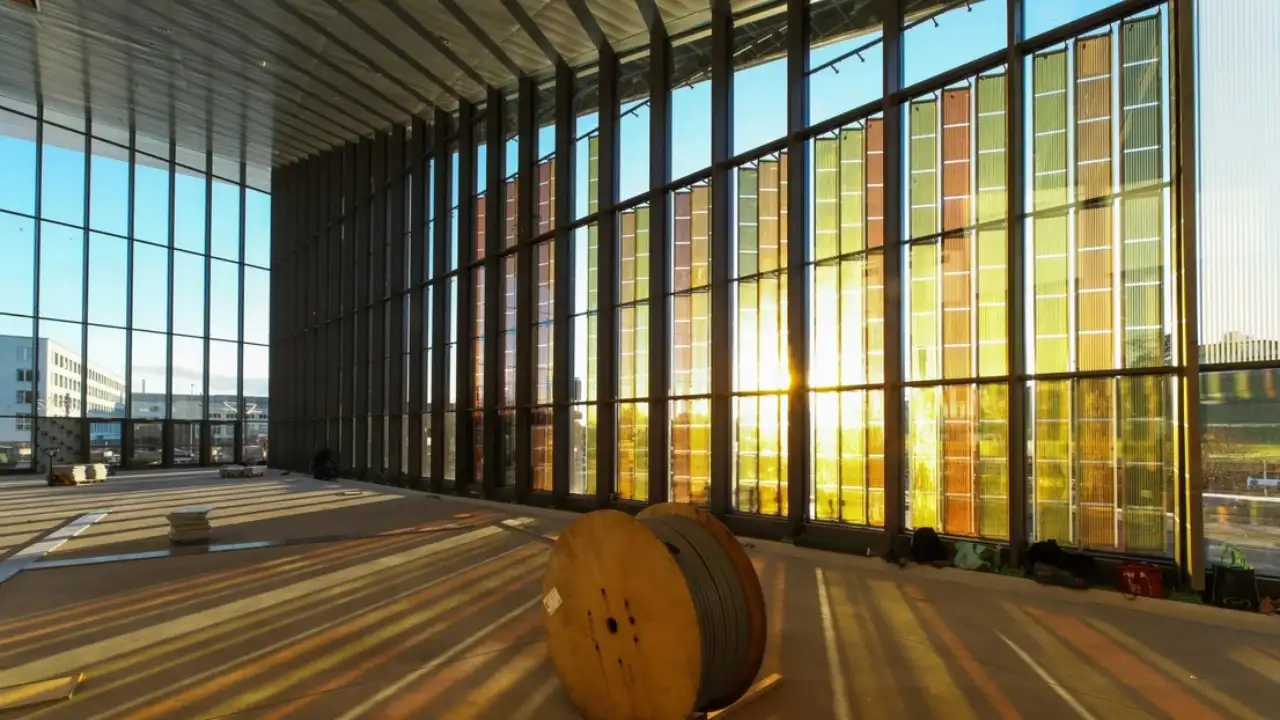
Today, these ambient solar cells thrive where traditional silicon panels fall short. They produce steady electrical power from low indoor light, running wireless IoT sensors and smart home hardware without standard batteries. Because printable dye solutions allow flexible, semi-transparent glass designs, architects integrate them directly into modern windows. This plant-inspired chemistry remains a crucial bridge between structural design and sustainable micro-electronics.