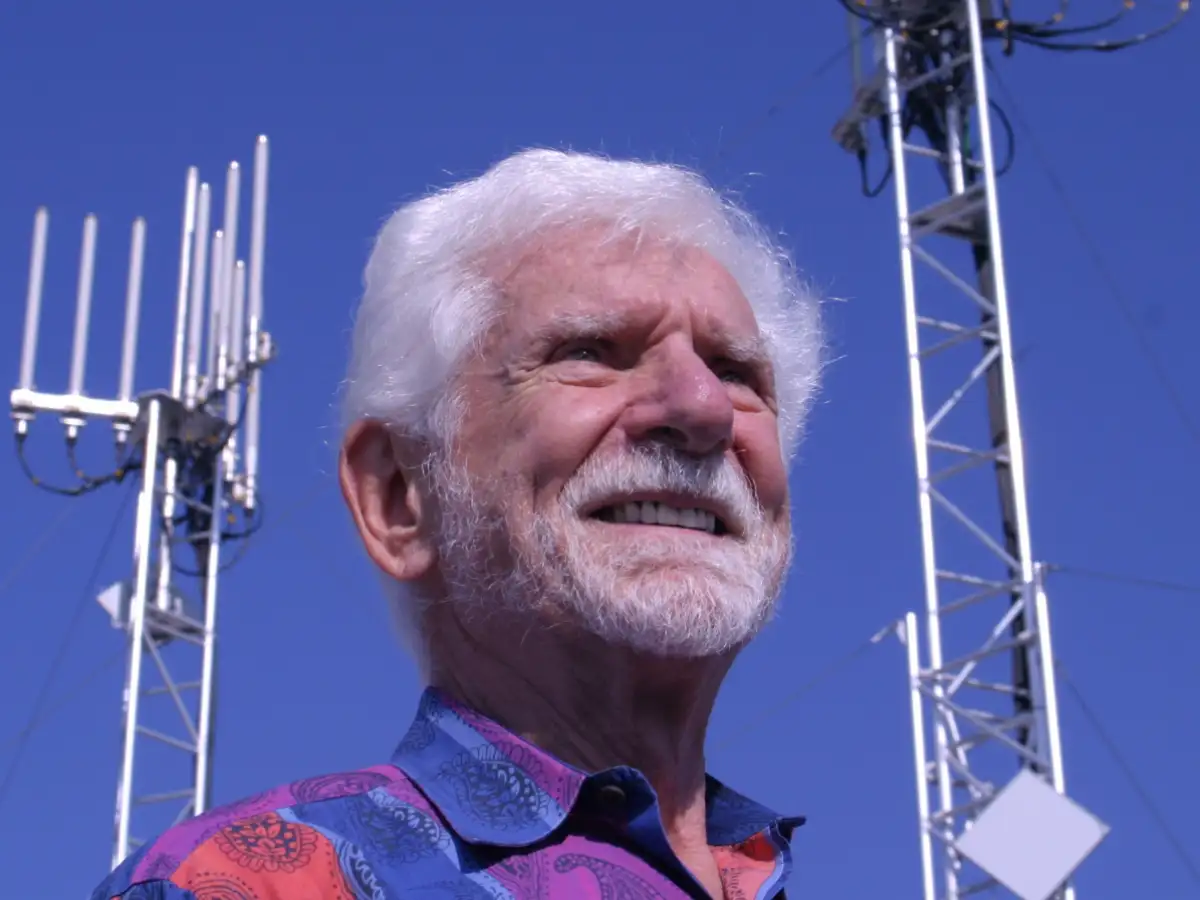
On April 3, 1973, Motorola engineer Martin Cooper walked onto a Manhattan sidewalk carrying a device that looked nothing like the smartphones people carry today. The phone was large, heavy, and limited by modern standards, yet the call he made that day became one of the most important moments in the history of communication.
Historians of technology and peer-reviewed reviews published through PubMed Central consistently identify the event as the first handheld cellular phone call. What made the moment significant was not the hardware itself but the idea it demonstrated. For nearly a century, telephones had largely been tied to places such as homes, offices, and vehicles.