
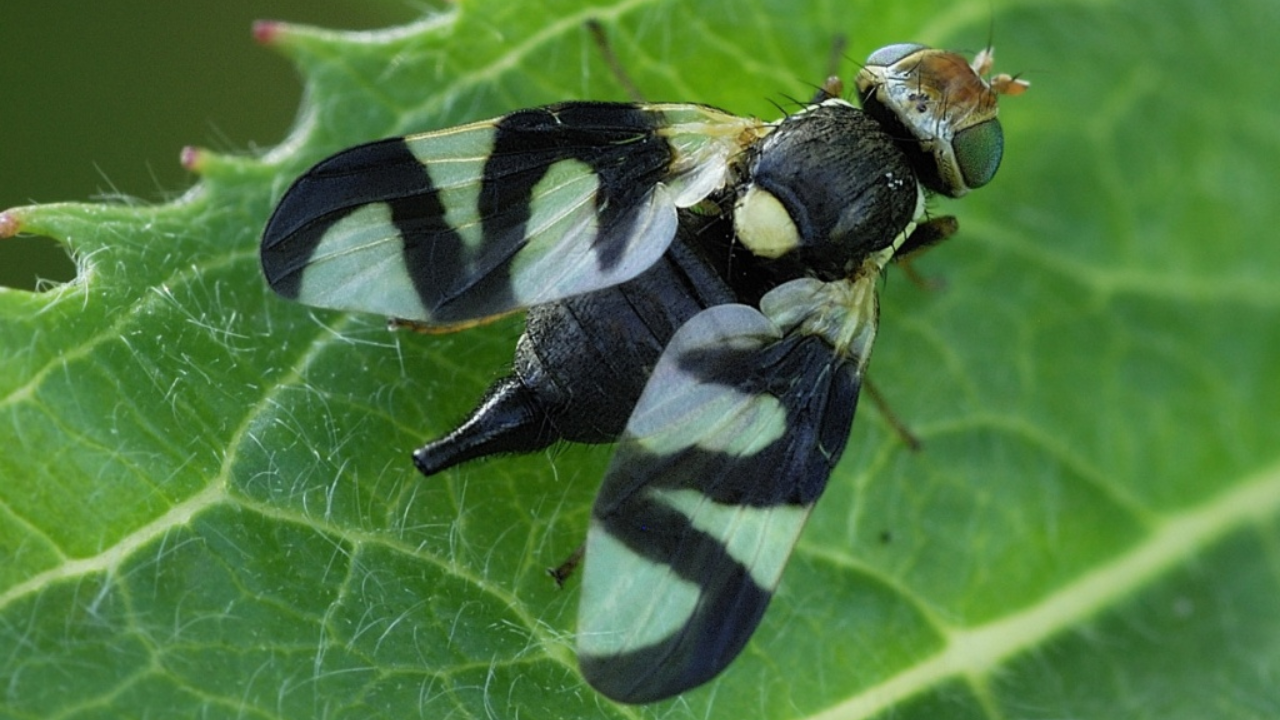
A biological control project started half a century ago to destroy a stubborn invasive weed accidentally set off an ecological chain reaction that increased human exposure to a deadly virus. In 1973, wildlife officials and agricultural scientists in Montana released two species of European gall flies, Urophora affinis and Urophora quadrifasciata, to control the spread of spotted knapweed (Centaurea stoebe). Decades later, major research published in Ecology Letters and archived by the US Forest Service Treesearch database found that the flies became a common winter food source for native deer mice (Peromyscus maniculatus). The extra food helped mouse populations grow and increased the spread of Sin Nombre hantavirus. As a result, knapweed-infested areas had more than three times as many hantavirus-positive deer mice as areas of native grassland without knapweed.
Get breaking news anytime, anywhere. Download the TOI app now!












