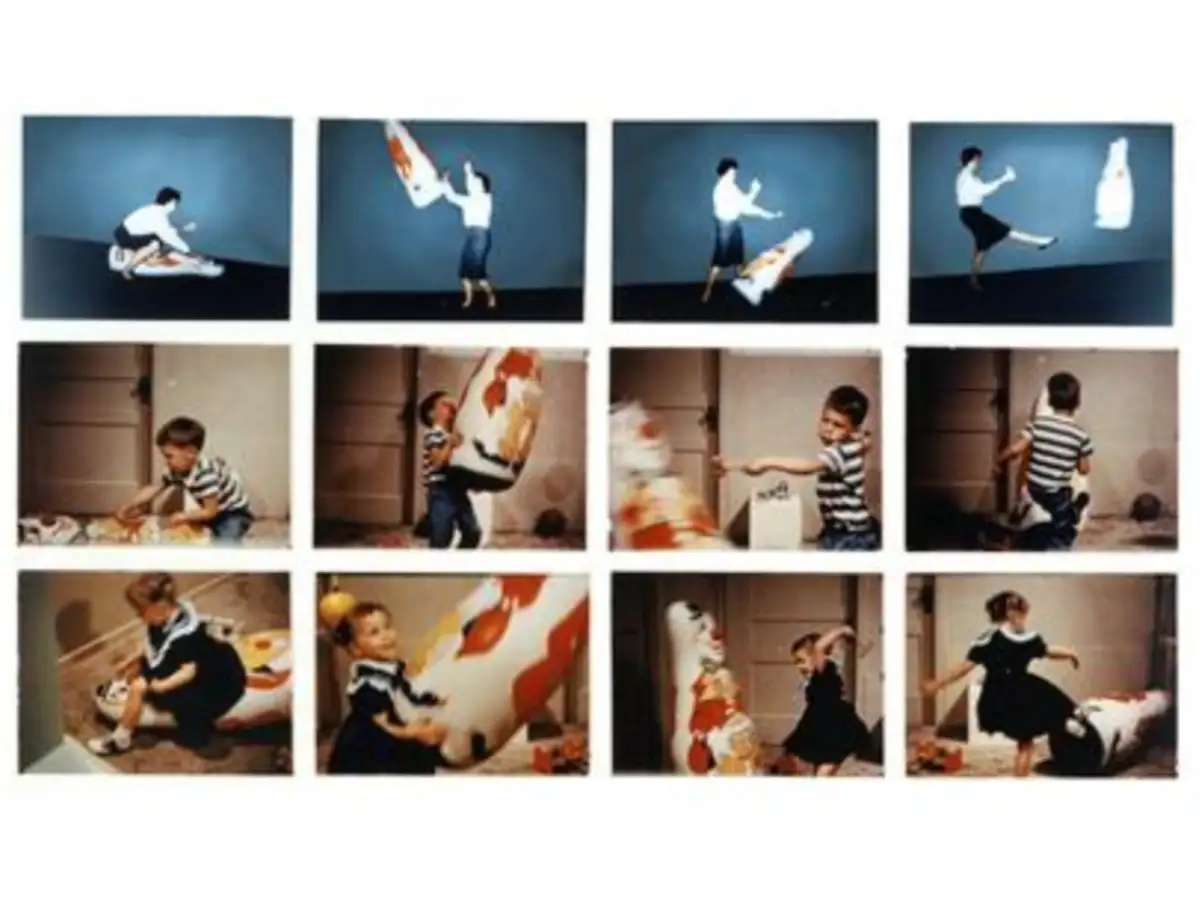
Few psychology experiments have become as famous as the Bobo doll studies, and the image is simple: children watch an adult punch, kick, and shout at an inflatable toy, and later many of those children repeat the same actions themselves. Yet behind that simple setup was a finding that changed how psychologists thought about learning. For much of the twentieth century, behavior was often explained through rewards and punishments.
The Bobo doll experiments, led by psychologist Albert Bandura, suggested that people could also learn simply by watching others. Research published in journals such as Behavioral Sciences , Frontiers in Psychology , Biology Letters , and Neuroscience & Biobehavioral Reviews over subsequent decades has repeatedly reached the same conclusion: observation can be a powerful teacher. Children do not only learn from what adults tell them to do; they also learn from what adults actually do.