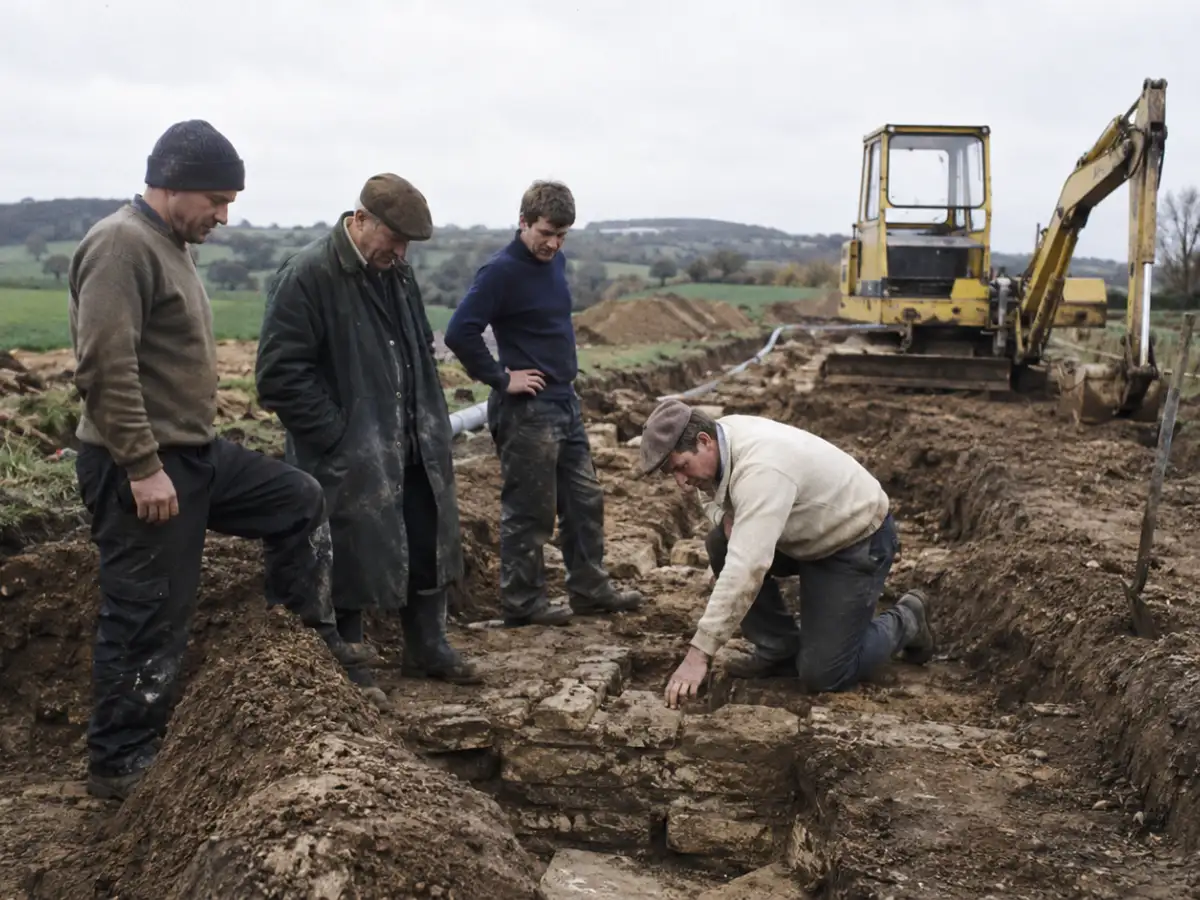
When laborers were working on a trench for a new water main at Fishbourne in 1960, they came across masonry foundations buried beneath the surface. Initially, the foundation stones seemed to be nothing more than ordinary rubble that had always been exposed when workers were building something; however, archaeologists quickly realized that the structure was far from ordinary, as it came to be called 'Fishbourne Roman Palace', the largest Roman civil settlement found in England until then.
This chance discovery soon evolved into a huge archaeological dig that would span several years. According to the University of Southampton, the discoveries made over nine seasons of excavation compelled historians to revisit the concept of Roman power and high culture in ancient Britain. This was important, given the prevailing perception of Roman Britain as dominated by forts, roads, and a military presence.