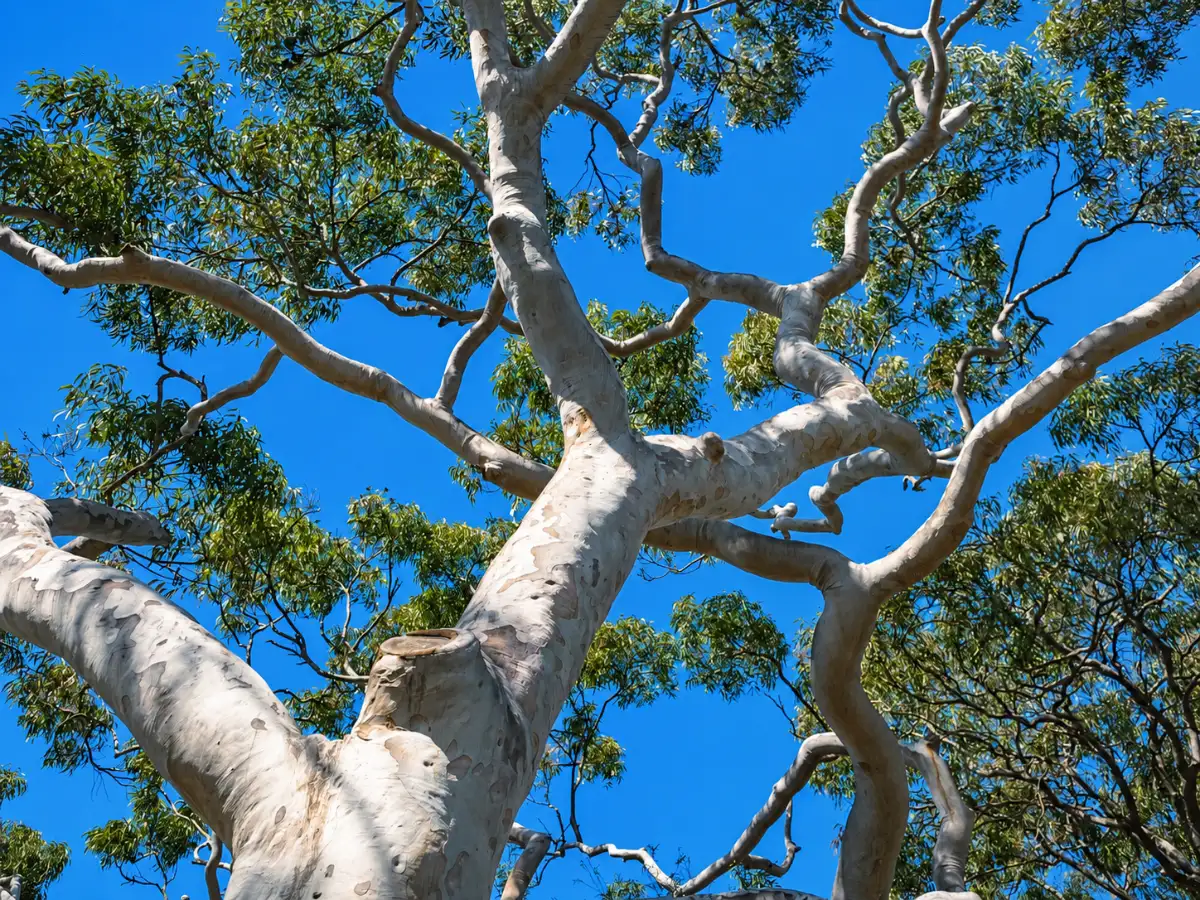
Imagine two patches of forest next to each other. Same rainfall, same hill, same part of the map. Walk through one and birdsong follows you all the way. Walk through the other, and it's noticeably quieter, even though the trees look just as thick. That’s no accident and, as a 2025 study published in the journal Forest Ecology and Management finds, that’s exactly what’s going on all over Galicia, in northwest Spain.
Researchers from the University of Santiago de Compostela and the Biological Mission of Galicia sampled 240 locations in and around the Fragas do Eume Natural Park, comparing native woodland to eucalyptus plantations. That research found that native forests had 1,806 birds across 35 species, while eucalyptus stands had only 754 birds across a similar 36 species. The species list hardly changed at all. The actual number of birds living there was reduced by nearly half.