Get all your news in one place.
100's of premium titles.
One app.
Start reading
The Economic Times
The Economic Times

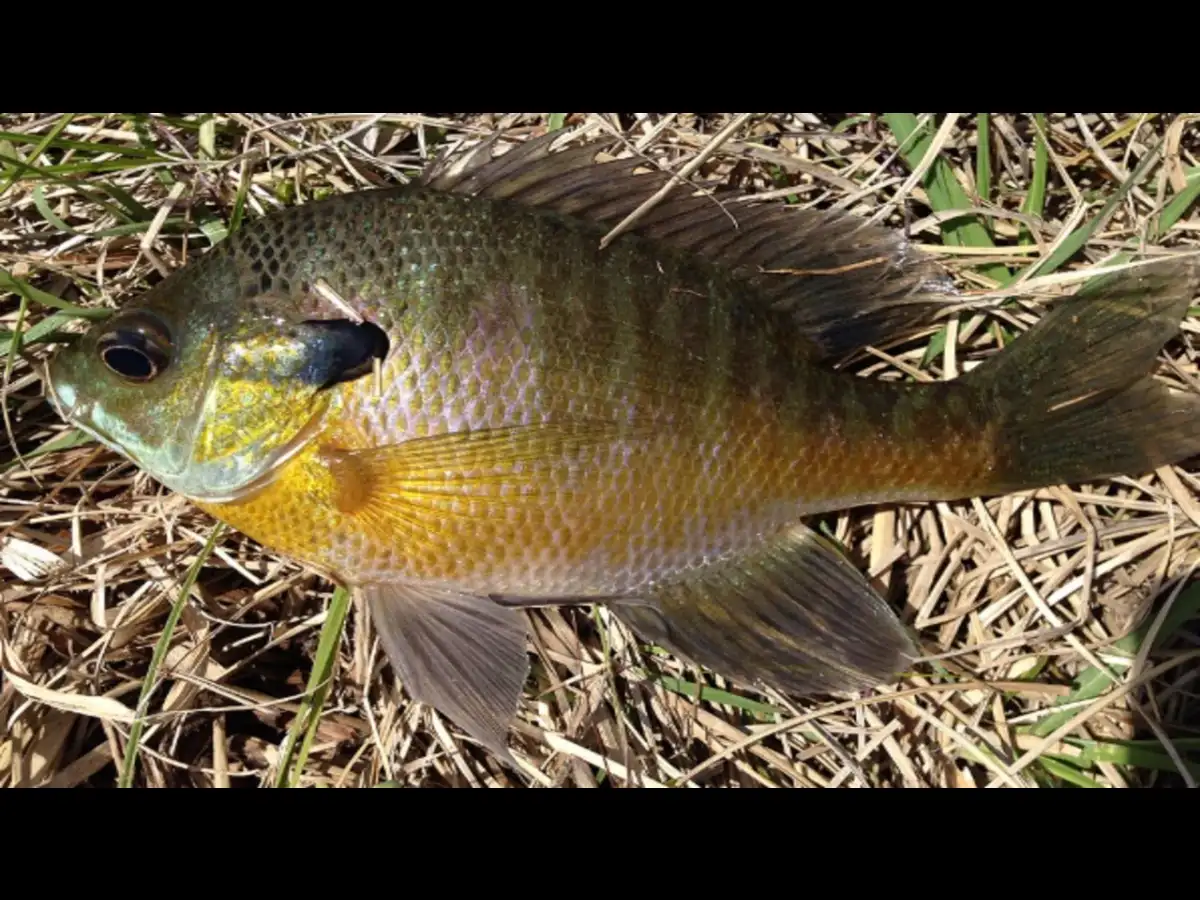
In 1960, Japan’s future emperor took 18 bluegills home from Chicago. Their descendants multiplied into millions and invaded Lake Biwa

In 1960, Crown Prince Akihito of Japan visited Chicago with a very specific request: he wanted to see the fish at the Shedd Aquarium. His interest in fish biology was more than a passing hobby. But the visit would have an unexpected consequence decades later, after 18 bluegills were gifted to him and taken back to Japan.

Akihito, then 26 and heir to the Japanese throne, visited Chicago in October 1960. During his trip, then-Chicago Mayor Richard J. Daley, an angler himself, presented him with 18 bluegills taken from an aquarium tank. Akihito planned to keep the fish in the moat around the Imperial Palace in Tokyo.

READ ALSO: In 1500s, Spanish explorers introduced pigs into North America. Now areas where they roam free have fewer invasive species

The fish became an unlikely biological import. Fifteen survived the journey to Japan and began reproducing. Over the following years, some of their descendants were released or escaped from facilities and spread into Japanese lakes, including Lake Ippeki and Lake Biwa.

The introduction initially had a practical purpose. Bluegills were seen as a possible game and food fish, and authorities experimented with introducing them into several Japanese waterways during the 1960s. But the species proved highly adaptable, reproducing quickly and feeding on a wide range of organisms.

At first, native predators helped keep bluegill numbers under control. Over time, however, the fish became established in rivers, lakes and streams across Japan. Their diet included insects, plankton and vegetation, and eventually expanded to shrimp and the eggs of native fish.

READ ALSO: In 1973, Wisconsin teenager Libby Riddles moved to Alaska. 12 years later, she drove into a storm and became the first woman to win the Iditarod sled-dog race

By the late 1990s and early 2000s, researchers were confronting the scale of the invasion. One of the biggest concerns was Lake Biwa in Shiga Prefecture, Japan's largest and oldest freshwater lake.

Bluegills became one of the threats to native fish populations in Lake Biwa, including the lake's endemic crucian carp. The fish is particularly important to the region because it is used to make funazushi, a traditional fermented Japanese dish.

The decline of native fish, however, cannot be attributed to bluegills alone. Largemouth bass had also been introduced to Japan decades earlier and reached Lake Biwa in the 1970s. Changes in the lake's ecosystem also contributed to pressure on native species.

READ ALSO: In 1905, Hawaii introduced mosquitofish to fight mosquitoes. More than 100 years later, the fish is threatening native wildlife

Japan eventually took stronger action against bluegills. In 2002, the Ministry of the Environment designated the species as an invasive alien species. Shiga Prefecture introduced financial incentives for removing bluegills and imposed penalties on people who illegally released bluegill or bass.

The country's Invasive Alien Species Act, which took effect in 2005, further restricted the keeping, breeding, transportation and release of designated invasive species, including bluegills, without authorization.

Some local efforts took a different approach, encouraging people to catch and eat the fish. Recipes for fried and pickled bluegill were promoted as one way to reduce their numbers.

READ ALSO: In 1917, botanist Joseph Rock introduced albizia to Hawai‘i for reforestation. Now it has infested thousands of acres in O‘ahu and eastern Hawai‘i Island

But perhaps the most unusual chapter of the story came from the man who had originally taken the fish to Japan.

Akihito became Emperor in 1989. In 2007, he apologized for the introduction of bluegills into Japan. The apology was described by The Japan Times as a rare expression of contrition from the emperor.

More than six decades after Daley scooped 18 bluegills from a Chicago aquarium tank, the species remains established in Japan. Commercial fishing and government-supported removal programs have reduced bluegill numbers in Lake Biwa from their mid-2000s levels, but the invasive fish have not disappeared.

What began as a goodwill gift to a young Japanese prince with a passion for fish biology ultimately became a cautionary tale about how a seemingly small introduction of a non-native species can have consequences far beyond its original purpose.

Sign up to read this article
Read news from 100's of titles, curated specifically for you.
Already a member? Sign in here
Related Stories
Top stories on inkl right now
One subscription that gives you access to news from hundreds of sites
Already a member? Sign in here
Our Picks
Fourteen days free
Download the app
One app. One membership.
100+ trusted global sources.