
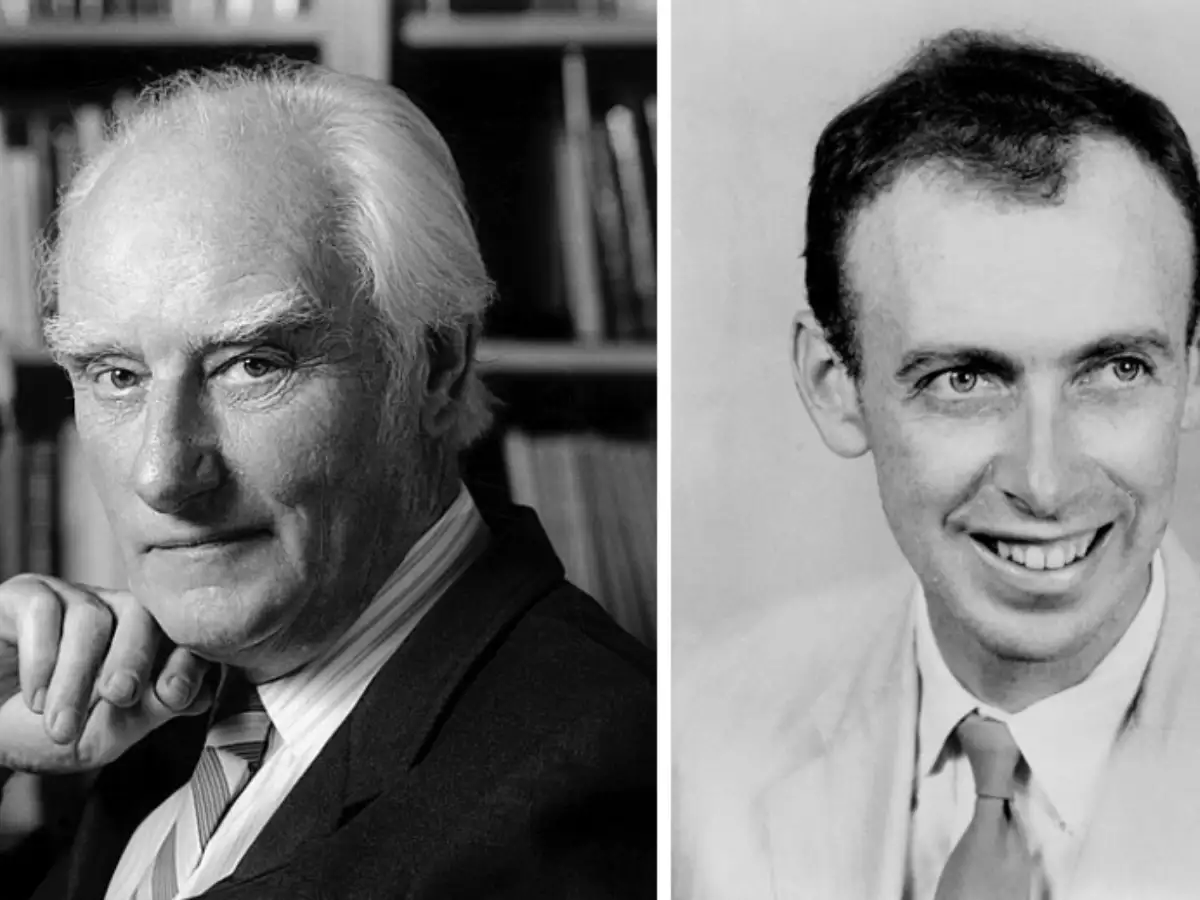
Scientists already knew that heredity depended on something physical by the early 1950s, but they still did not fully understand what that substance looked like or how it worked. DNA had been identified as the molecule carrying genetic information, yet its structure remained one of biology’s biggest mysteries.
That changed in 1953, when James Watson and Francis Crick published a paper in Nature proposing that DNA was a double helix. The model immediately stood out because it did more than describe a molecule’s appearance. It offered a possible explanation for how hereditary information could be stored, copied, and passed from one generation to the next.












