
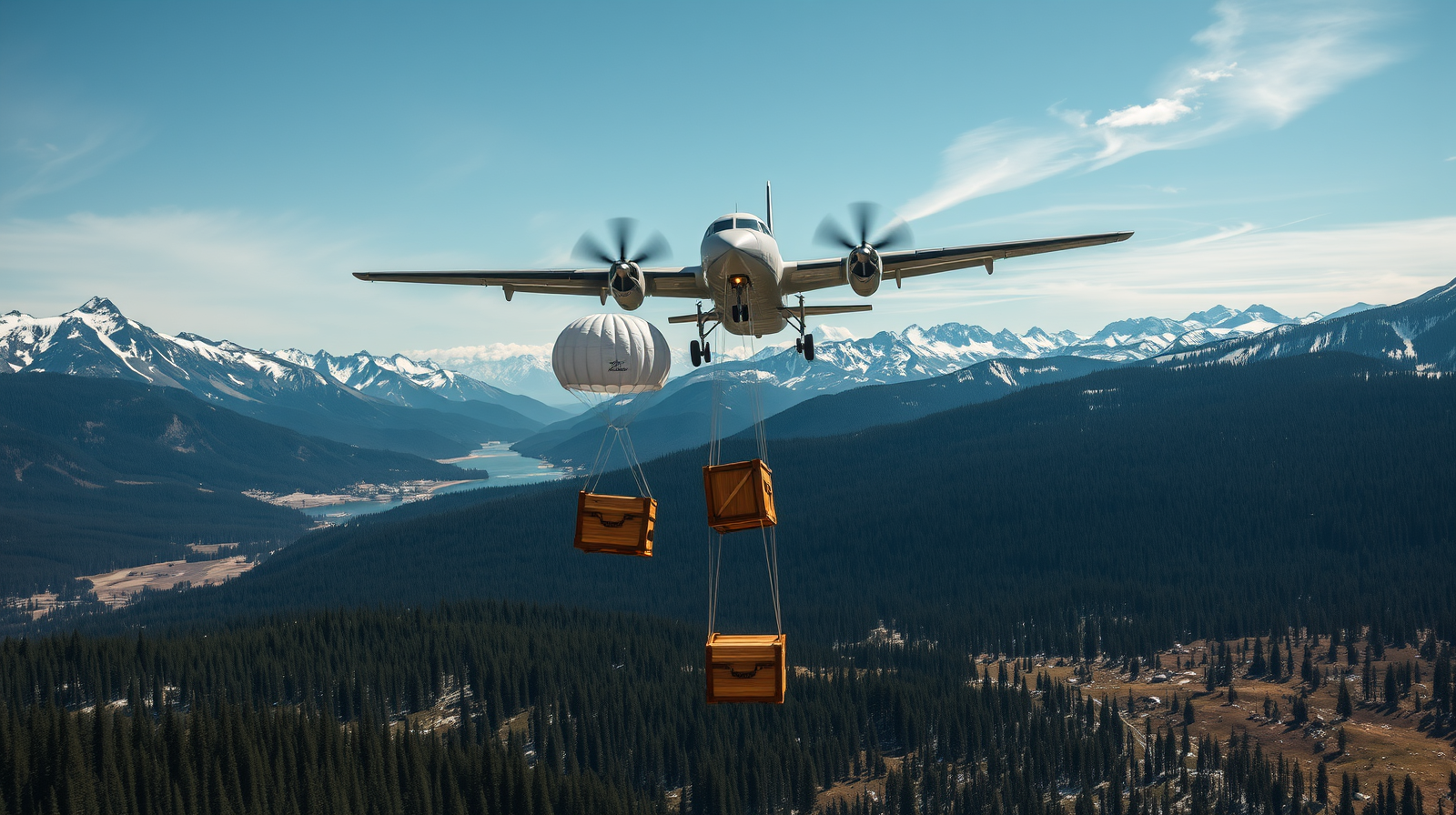
In the autumn of 1948, a twin-engine plane flew low over the remote Chamberlain Basin in central Idaho and released a series of wooden crates, each fitted with a parachute and carrying a live beaver, into the wilderness below. It was not a stunt or an accident; it was a deliberate wildlife management experiment devised by Elmo W. Heter of the Idaho Department of Fish and Game, meant to solve a genuinely awkward logistical problem, how to move dozens of beavers from populated lowland areas where they had become a nuisance into a roadless, mountainous backcountry where their dam building would actually help the local habitat. Remarkably, the plan worked, and the story of how it came together and why it made sense at the time remains one of the more unusual chapters in the history of American wildlife conservation. Most of the relocated beavers survived the journey and quickly established new colonies, building dams that created wetlands, slowed water flow and improved habitats for fish, birds and other wildlife. The project has since become one of the best-known examples of innovative wildlife relocation in the United States.
Why Idaho had a beaver problem in the first place














