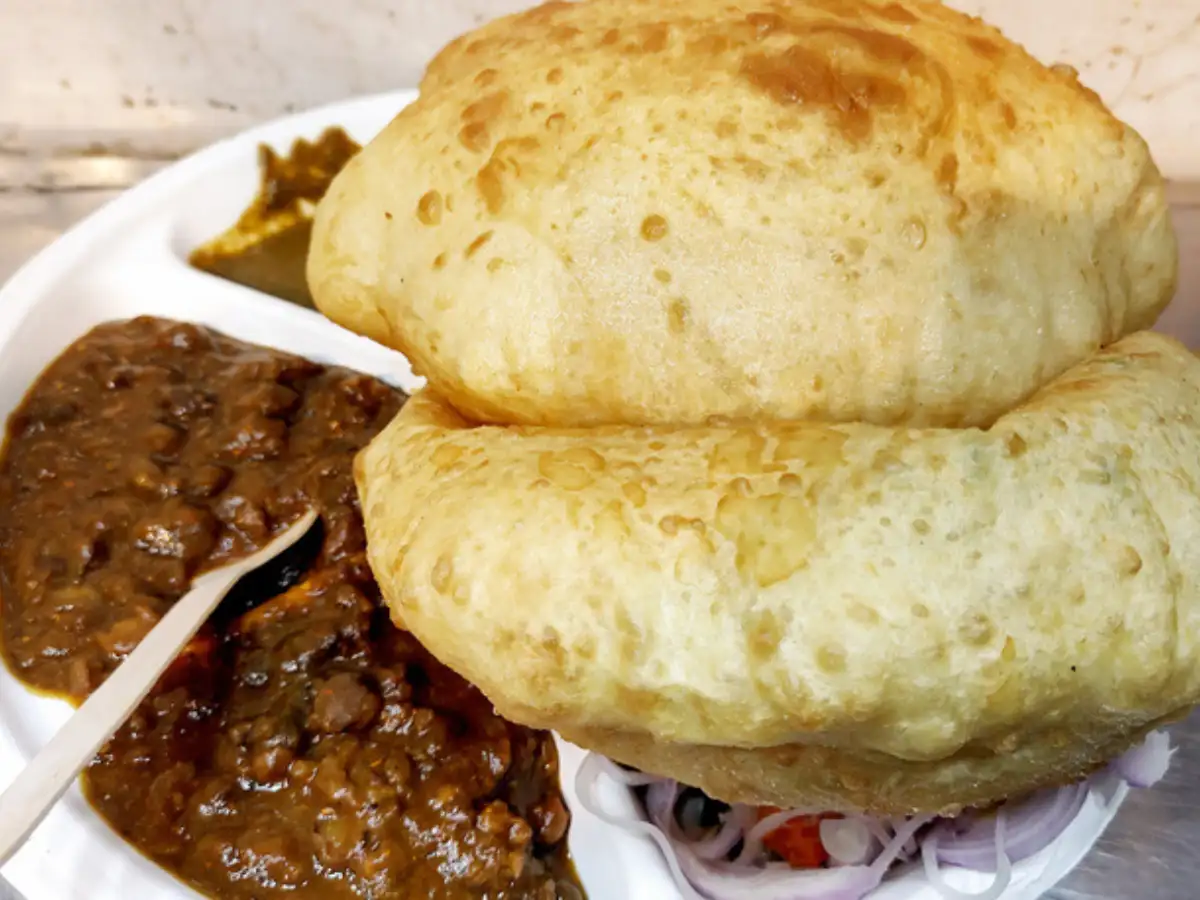
Few dishes are as closely linked to Delhi as chole bhature. Found everywhere from roadside stalls to popular restaurants, the combination of spicy chickpeas and fluffy fried bread has become one of India's most beloved comfort foods.
But behind every plate lies a story that goes far beyond food. According to historians and food writers, the rise of chole bhature in Delhi is deeply connected to the Partition of India in 1947, when millions of people crossed newly drawn borders carrying little more than their memories, traditions and recipes.
Today, chole bhature is a symbol of Delhi's food culture, but its journey began during one of the most difficult chapters in the subcontinent's history.
How did Partition influence the rise of chole bhature?
When Partition divided India and Pakistan in 1947, millions of refugees moved across the border in search of a new life. Among them were Punjabi families from cities such as Lahore and Rawalpindi who settled in Delhi.Many arrived with limited resources and had to rebuild their lives from scratch. Affordable, filling food became essential for labourers, shopkeepers and families trying to make ends meet.
Food historians cited in media reports note that chickpeas were affordable, nutritious and easy to cook in large quantities. Bhature, meanwhile, transformed a simple dish into a hearty meal that could keep people full through long hours of work.
What started as practical refugee food gradually became a favourite across the city.
Did chole bhature originate in Punjab?
The exact birthplace of chole bhature remains a topic of debate. According to BBC News journalist Justin Rowlatt, the dish is generally believed to have originated in Punjabi cuisine, although claims have also emerged from regions including Uttar Pradesh, Rajasthan and Himachal Pradesh.Food writer Kunal Vijaykar has argued that the dish evolved from pindi chole, a chickpea preparation associated with Rawalpindi in present-day Pakistan. However, food scholar Charis Galanakis has suggested that the dish may have originated in eastern Uttar Pradesh.
While historians may disagree on its precise origins, most agree that Punjab played a major role in shaping the version that became famous in Delhi.
Who brought chole bhature to Delhi?
Several stories exist about how the dish became popular in the capital. One widely cited account credits Peshori Lal Lamba, a migrant from Lahore who settled in Delhi after Partition. According to various historical accounts, he opened the famous Kwality Restaurant in Connaught Place and helped popularise the pairing of chole with bhature.Another popular claim centres around Sita Ram, who also migrated from Lahore and began selling chole bhature from a food cart in Delhi. His venture later evolved into the iconic Sita Ram Diwan Chand outlet in Paharganj, which remains famous for the dish today.
Regardless of who served it first, both stories highlight how migrant communities helped shape Delhi's culinary identity.
How chole bhature became Delhi's comfort food
By the 1950s and 1960s, chole bhature had become a familiar sight across Delhi's streets. Workers looking for an affordable breakfast embraced the dish because it was filling, flavourful and relatively inexpensive. Vendors often started serving it early in the morning, attracting factory workers, bus drivers and office-goers.Over time, the dish moved beyond necessity and became something people actively craved. Families began eating it during weekend outings, while restaurants added their own versions to menus.
What was once survival food slowly transformed into comfort food.
When did chole bhature become popular across India?
For many years, chole bhature remained primarily associated with North India and Punjabi cuisine.However, from the 1990s onwards, the dish began spreading rapidly across the country. By the 2010s, it had become a common feature at vegetarian restaurants and fast-food outlets far beyond Delhi and Punjab.
Alongside favourites such as aloo tikki and dahi bhalla, chole bhature helped introduce Punjabi flavours to diners across India.
Today, it is as likely to be found in Bengaluru, Chennai and Hyderabad as it is in Delhi.
Inputs from agencies