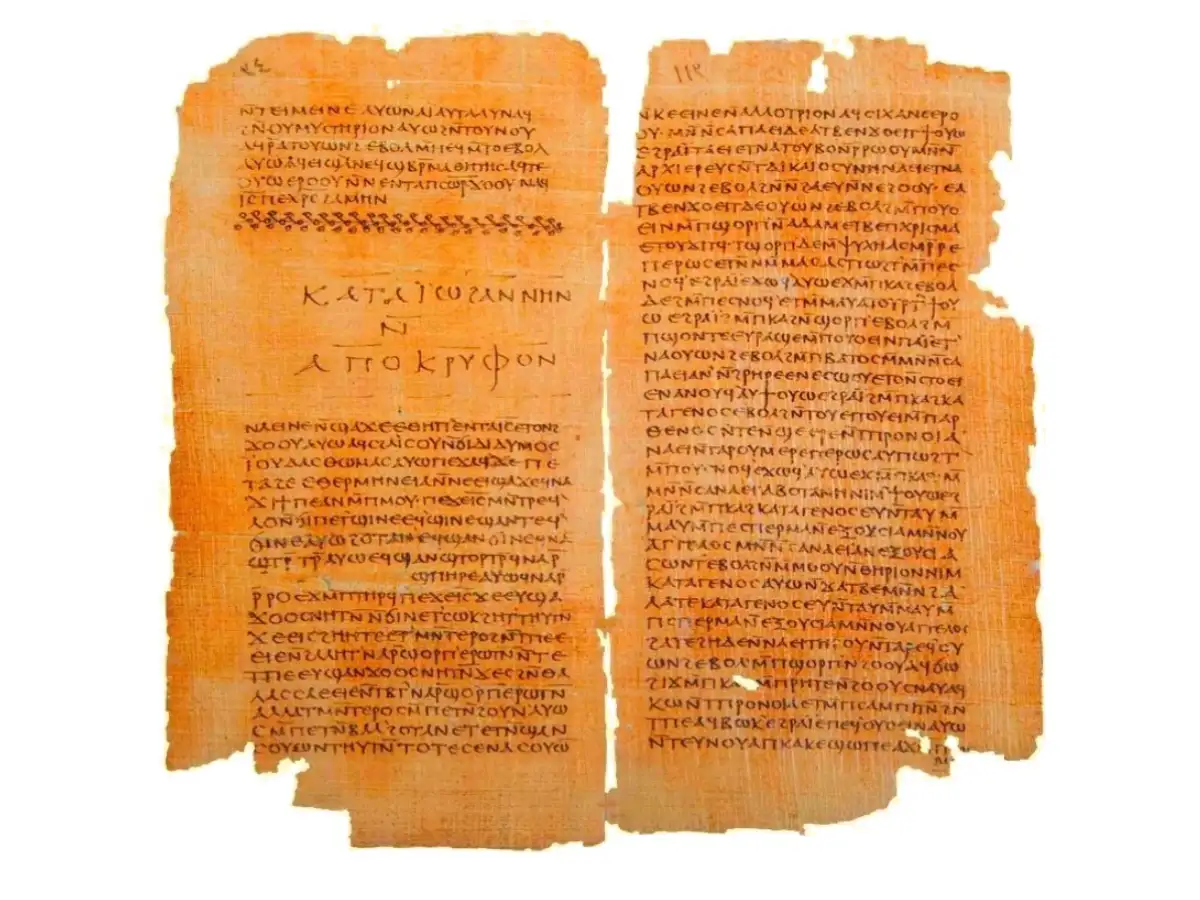
Some archaeological discoveries reveal a lost city or an impressive monument, but others change history through words. That is what happened in December 1945, when villagers near Nag Hammadi in Upper Egypt uncovered a sealed earthenware jar containing thirteen ancient papyrus codices. It initially looked like an unusual find, but it soon became one of the most important manuscript discoveries of the twentieth century because the books preserved dozens of early Christian texts that had been unknown to modern scholarship for centuries.
According to the Nag Hammadi Archive at Claremont Colleges and research from Harvard Divinity School, the discovery expanded the historical record of early Christianity and gave scholars access to writings that had long disappeared from mainstream religious traditions.