
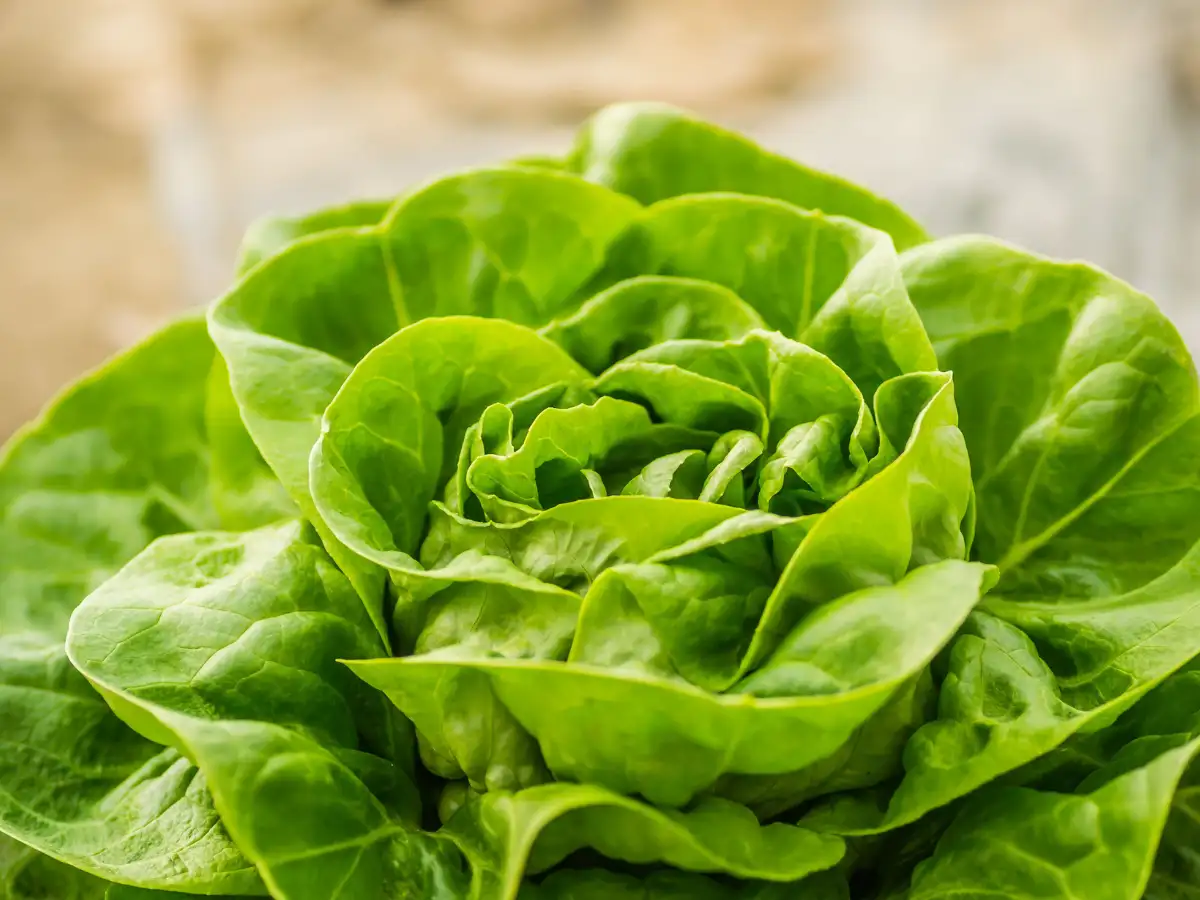
Old, family-kept lettuce varieties are more fragile than they seem. A study of a heritage seed collection in the UK notes that home gardens are reservoirs of genetic diversity, but the varieties they hold are vulnerable until they are picked up by formal seed-saving networks. Published in the journal Plant Genetic Resources, the study titled 'Genetic analysis of a heritage variety collection' offers a useful lens for a small but remarkable story from central Pennsylvania: a lettuce that survived on one family's habit alone, until an outside seed bank finally gave it lasting security.
A gift from Aunt Mae

In 1937, Nestor and Amber Keene received seeds for Bibb lettuce from Nestor's aunt, Mae Smith of Millheim, Pennsylvania. Aunt Mae had gotten the seeds from a local family, the Zimmermans, who had been growing the lettuce for decades in neighboring Brush Valley. The lettuce was bright green, crisp, and good for salads or sandwiches. It was also very hardy, standing up to summer heat and early frost with little fuss. The Keenes liked it so well they grew it every year for the rest of their lives.
What makes it a Bibb lettuce
The Bibb lettuce has its own backstory. It was developed in the 1860s by a lawyer named John Bibb who bred the variety at his home in Frankfort, Kentucky, where it was originally known as "limestone lettuce." It only came to the market about a century later. Bibb is today one of the most popular kinds of butterhead lettuce, with its small, tender, light-green leaves and loose, rose-shaped head. The Keenes' lettuce was known in the family as a Bibb type because of its resemblance to the variety, though its exact genetic relationship to John Bibb's original Kentucky cultivar was never formally traced.






