
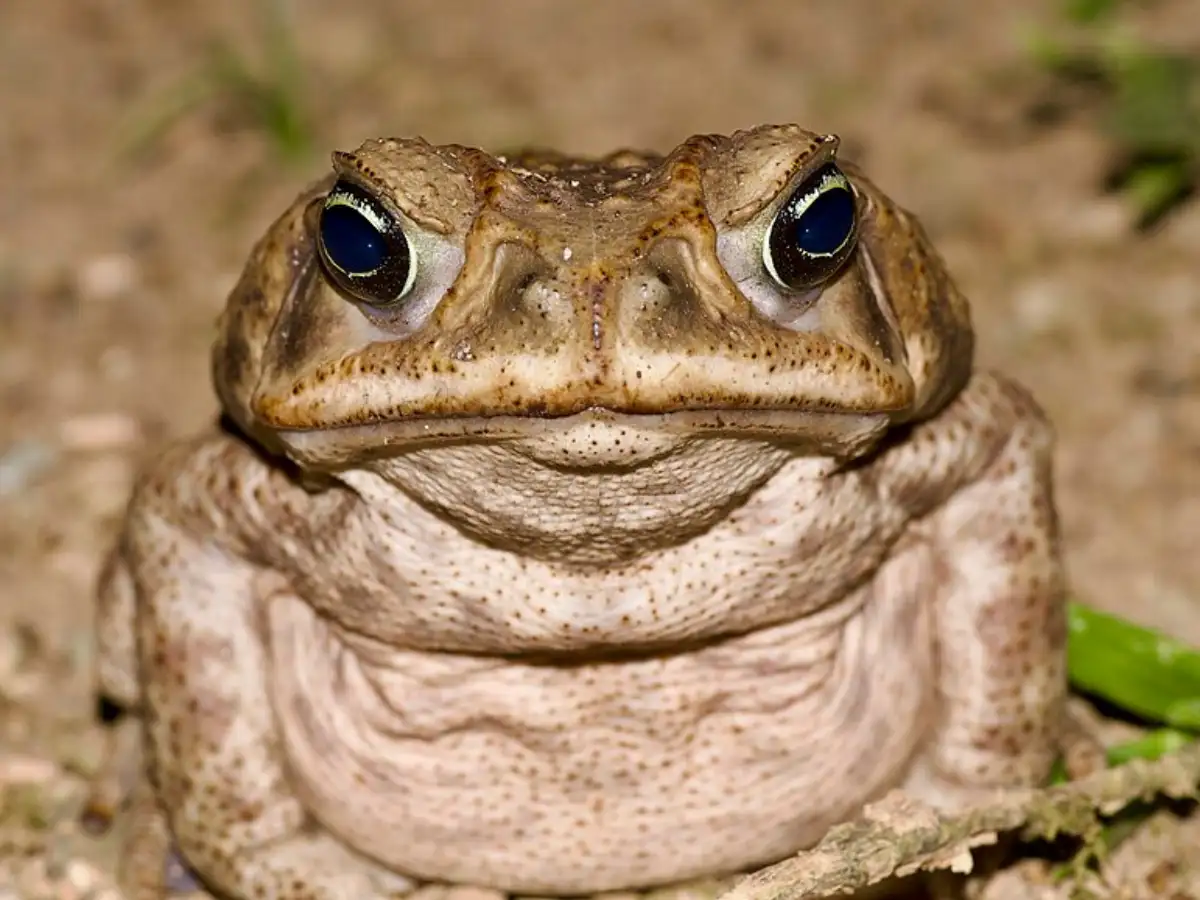
Nearly a century ago, a small group of Australian scientists brought about 100 toxic toads into their country to solve a farming problem. Nobody checked if the toads would even eat the right bugs. Today, there are millions of these toads across Australia, and they are extremely difficult to control.
According to the National Museum of Australia, this all started with a very real problem: beetles were destroying Australia's sugar cane farms. The fix scientists chose is now considered one of the biggest backfires in environmental history.

A beetle problem with a wild solution
Back in the early 1900s, sugar cane farming was booming in Queensland, Australia. But there was a catch. Native beetles kept eating the roots of the cane plants. Farmers were losing money every year, and nobody had a real fix.
According to the National Museum of Australia, government scientist Arthur Bell attended a conference in Puerto Rico in 1932 and learned that a large toad from Central and South America was being used there and in Hawaii to eat similar pests. Three years later, in June 1935, entomologist Reginald Mungomery flew to Hawaii to collect some of these toads. He caught 102 by hand and packed them into small boxes for the trip home. According to the Queensland Historical Atlas, a historical project run by the University of Queensland and Queensland Museum, one of the male toads died during the three-week boat journey, leaving 101 survivors.
By August 1935, according to the National Museum of Australia, the surviving toads had bred rapidly in captivity, and 2,400 of their offspring were released into the wild near Gordonvale. There was just one small issue. Nobody had actually tested whether the toads liked eating the beetles that were destroying the crops.







