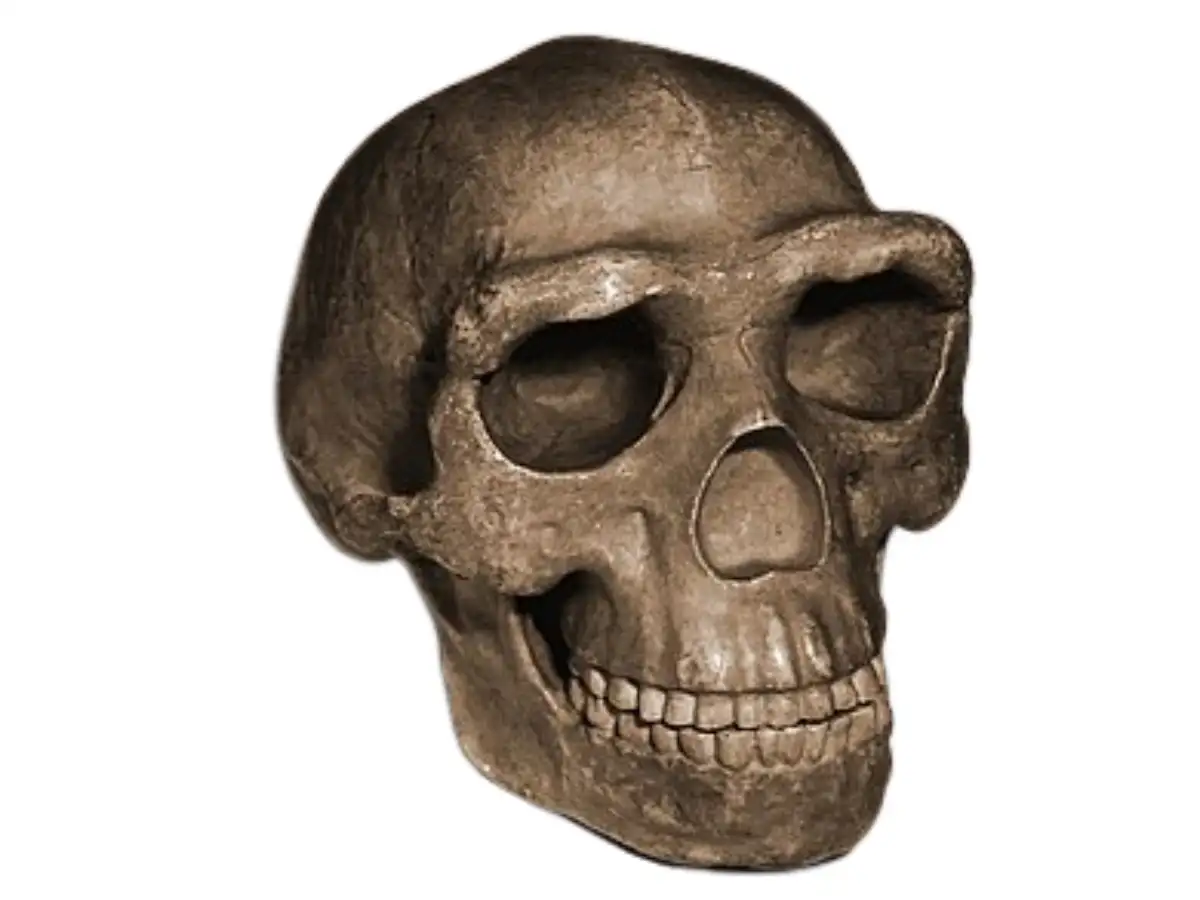
In the winter of 1929, a young Chinese archaeologist made a discovery that reshaped the study of human evolution. Working inside a cold cave at Zhoukoudian, about 50 kilometers southwest of Beijing, 25-year-old Pei Wenzhong uncovered an ancient human skullcap buried beneath layers of sediment. The fossil later became known as Peking Man, one of the most famous prehistoric human discoveries ever made.
Nearly a century later, the find remains a cornerstone of research into early human history and continues to influence debates about how our ancestors lived, evolved, and spread across the world, reports Times of India.