Get all your news in one place.
100's of premium titles.
One app.
Start reading
The Times of India
The Times of India
World
TOI World Desk

In 1927, US children mailed 12,739 friendship dolls to Japan to ease pre-war tensions: Many were lost during WWII, with 233 recovered by 2002

More than a hundred years ago, thousands of young Americans took part in a peculiar form of diplomatic negotiation. Unlike most other forms of diplomacy, they did not sign petitions, attend meetings, or write to politicians; instead, they sent dolls.

Get breaking news anytime, anywhere. Download the TOI app now!
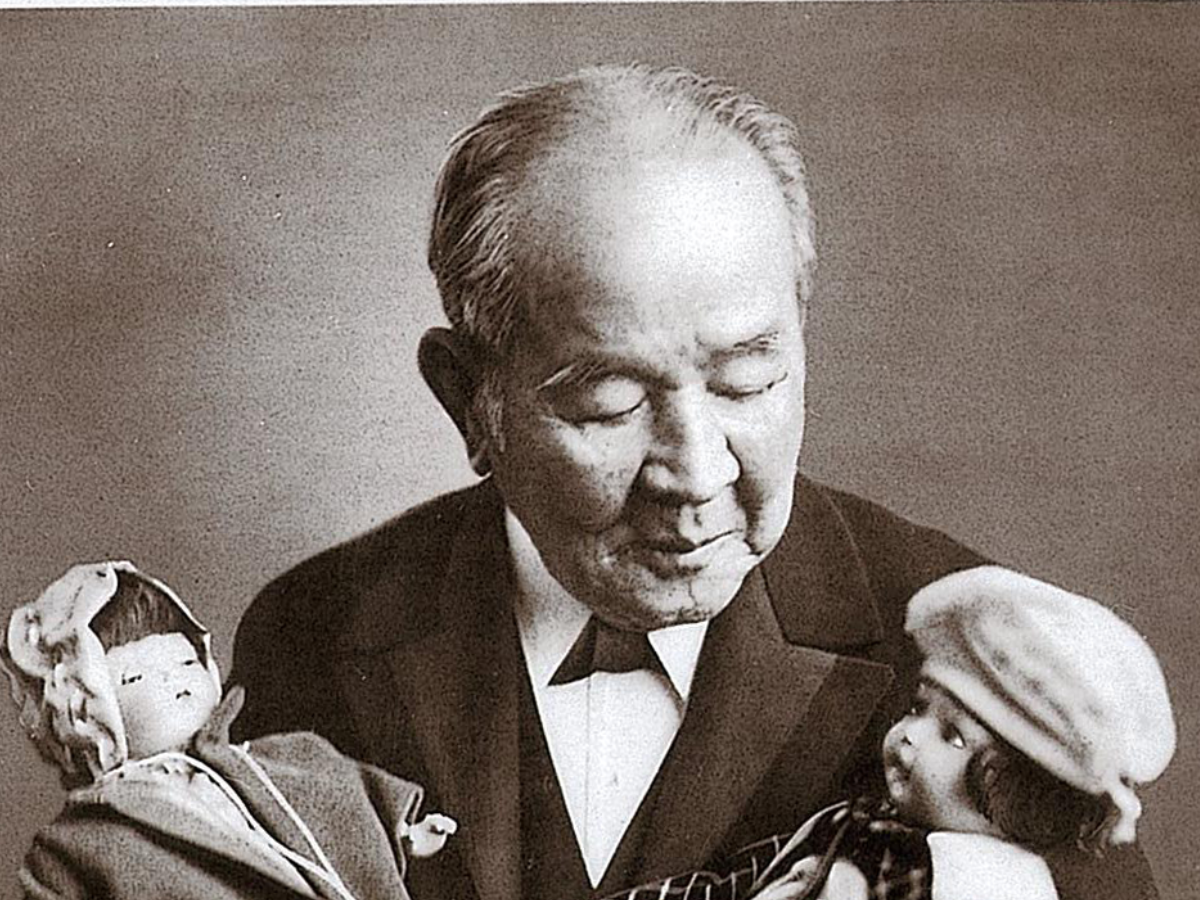
In 1927, over 12,000 dolls nicknamed "blue-eyed dolls" made their journey from America to Japan, carrying friendly greetings from American pupils. This idea came to alleviate mounting tension between the two nations at a time when relations between them started to deteriorate.

The dolls were meant to be ambassadors of goodwill. However, within two decades, World War II would break out, and many of the dolls would disappear during the conflict. It is known that by 2002, about 233 dolls had been documented or located in Japan.

A response to mounting animosity

The friendship doll exchange took place against a backdrop of increasing antagonism between the US and Japan.

As stated in the article written by the historian Rui Kohiyama in the Diplomatic History journal, tensions had risen following the passing of the US Immigration Act of 1924, which prohibited immigration from Japan, among other Asian nations. This was viewed with rage in Japan and strained diplomatic relations further.

Alarmed by the deteriorating relations, Sidney Gulick, a former missionary, proposed a plan that gave children a central role in the diplomacy effort.

Gulick had lived in Japan for many years and felt that through cultural ties, the gap could be bridged. Instead of concentrating on the governments, he decided to engage schoolchildren.

Thousands of dolls have been transported across the Pacific Ocean

This project soon attracted nationwide attention.

According to historical data provided by the University of Nebraska State Museum and many other sources, thousands of dolls donated by American children were clothed, named, and sent with personal letters. Before leaving for Japan, the dolls received send-offs and reached Japan before the annual Hinamatsuri Doll Festival, which takes place in March.

As can be seen from modern sources, 12,739 dolls arrived in Japan as messengers of friendship.

The reaction of Japanese people was very positive; dolls were greeted by schools, and children wrote many letters of thanks.

Japan reciprocated with its own dolls in return

The exchange was not over yet.

School children from Japan made small donations to raise money for an equally symbolic gesture. In 1927, Japan made 58 beautifully crafted dolls known as “Friendship Dolls” or “Ambassador Dolls” that represented the prefectures, territories, and cities.

These dolls travelled through hundreds of towns in America before being put in museums and libraries in America. The University of Nebraska State Museum estimates that about 2.6 million schoolgirls in Japan donated money towards the cause.

Many parts of the project were destroyed due to the war

The whole experience seemed to be one of victory for citizen diplomacy. This is until history had its darker moments.

During the Second World War, when Japan and the United States became enemies, most of the dolls from America were seen as those from an enemy nation. As revealed by Kohiyama in the Diplomatic History research, many dolls were destroyed during this period. The few remaining dolls survived because people hid them from the authorities.

As years went by and the memory of the dolls was forgotten, many were discarded.

According to the South Dakota History Journal , by 2002, 233 of the original 12,739 dolls had been found.

A reminder that diplomacy can start with kids

The friendship doll exchange did not stop the war from happening. It was unable to prevent the political pressures that led to the eventual conflict between the United States and Japan.

Still, historians see it as one of the most daring peace-making efforts of the inter-war years.

A little over a hundred years later, the existing dolls are spread out around various institutions and private collections. They serve as fragile mementos of a time when children from both sides of the ocean had been asked to picture an alternate reality.

Living in times where the world is dominated by geopolitical conflicts, the example of the friendship dolls is very revealing. Sometimes, the most daring acts of peace-making can come from the classrooms.

Sign up to read this article
Read news from 100's of titles, curated specifically for you.
Already a member? Sign in here
Related Stories
Top stories on inkl right now
One subscription that gives you access to news from hundreds of sites
Already a member? Sign in here
Our Picks
Fourteen days free
Download the app
One app. One membership.
100+ trusted global sources.