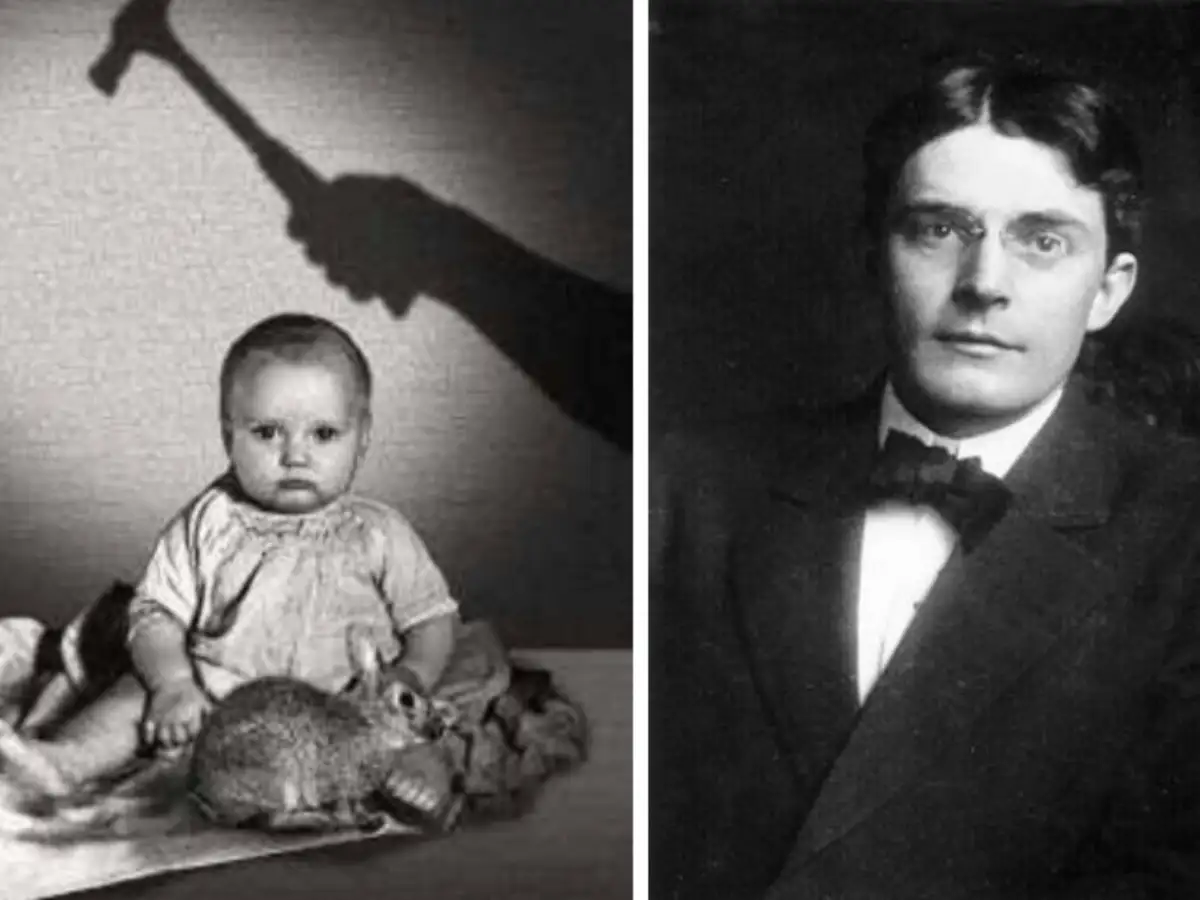
Few psychology experiments have become as famous, or as controversial, as the study known as Little Albert. Conducted by psychologist John B. Watson and his graduate student Rosalie Rayner, the experiment appeared to show that fear could be learned through experience rather than emerging entirely from instinct. It was published in the Journal of Experimental Psychology in 1920, and the study involved pairing a white rat with a loud, frightening noise and observing how an infant responded over time.
More than a century later, researchers still discuss the experiment because it helped launch decades of work on fear learning, anxiety, and emotional conditioning, even as modern scholars continue to debate its methods and conclusions.