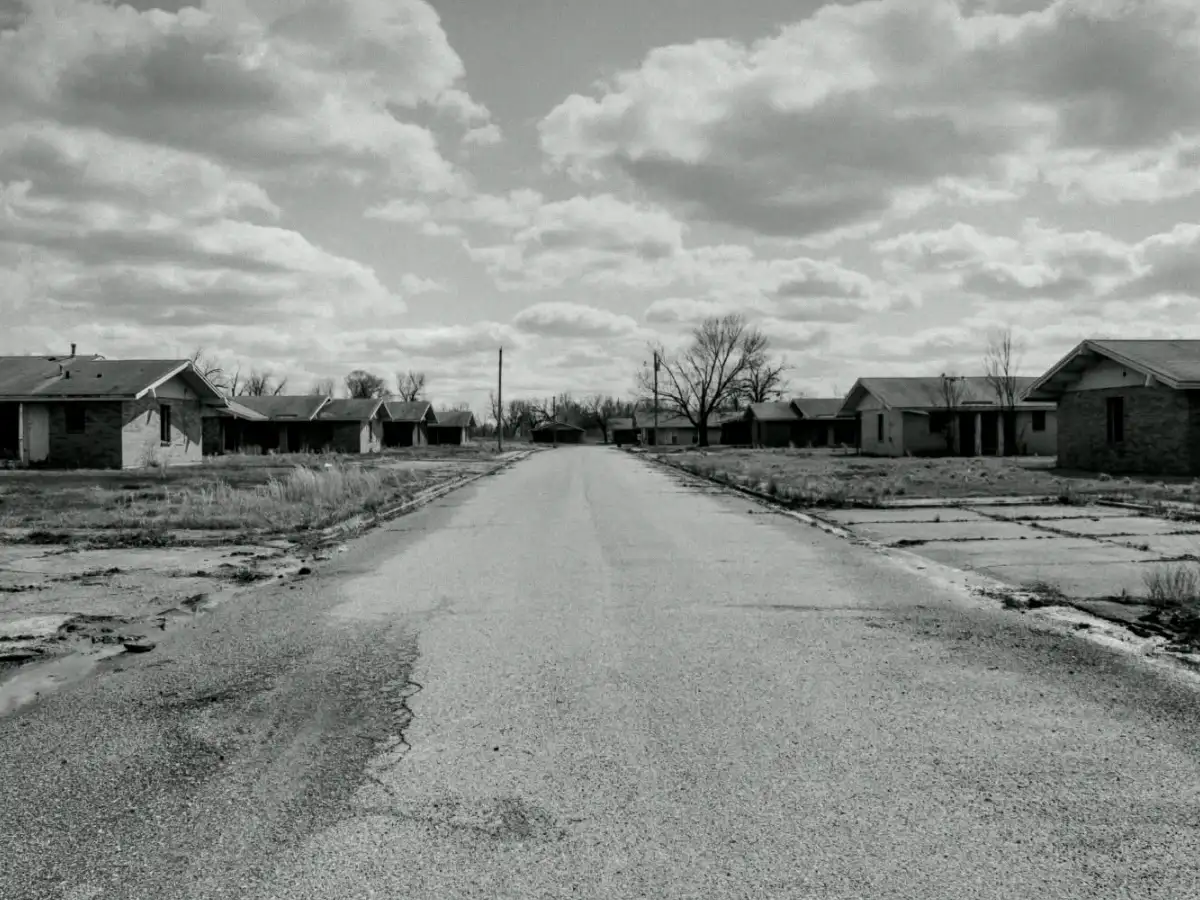
Picher, Oklahoma sits in the state's far northeast corner, near cattle ranches and red dirt roads. It is no longer depicted on any working map; not because it never existed, but because it was formally dissolved as a city in 2009. In 1913, a lead and zinc strike on farmer Harry Crawfish's allotment near the Kansas border turned that same land into a town with a school, a Main Street, and a minor league ballpark within a few years. Its population peaked in 1926 at just over 14,000 people.
According to EPA’s records on the Tar Creek Superfund site, that boomtown of Picher is said to be at the center of one of the oldest and most complicated of the nation’s federally mandated clean-ups: a 40-square-mile portion of Ottawa County that still bears mountains of hazardous mining refuse known as "chat" despite the cessation of mining operations decades ago. This story might seem familiar. But it isn't. It is more odd, more ancient, and perhaps more preventable.