Get all your news in one place.
100's of premium titles.
One app.
Start reading
The Economic Times
The Economic Times
Team Global

In 1913, lead turned Picher from Oklahoma farmland into a town of about 14,000; more than a century later, the town has no permanent residents, and toxic chat piles remain in Ottawa County

In late 1913, workers drilling on Harry Crawfish’s allotment in northeast Oklahoma discovered a rich deposit of lead and zinc ore, triggering the rapid growth of the mining town of Picher, which was named for O.S. Picher, owner of the Picher Lead Company, and incorporated in 1918. A town sprang up immediately surrounding the find and, according to contemporary newspapers across the state, “the place sprang into existence overnight.”

Population peaked near 14,000 at the height of mining

Picher's population grew from 9,726 in 1920 to a peak of 14,252 in 1926, according to the Oklahoma Historical Society's Encyclopedia of Oklahoma History and Culture. That year marked the height of the Tri-State Lead and Zinc Mining District, which spanned northeast Oklahoma, southeast Kansas and southwest Missouri, with Picher as its most productive town: more than 14,000 miners worked the district's mines, supported by over 200 ore-processing mills. Between 1917 and 1947, the district produced more than $20 billion worth of ore and Picher alone supplied more than half of the lead and zinc used in U.S. munitions during World War I.

The same mining that built the town poisoned it

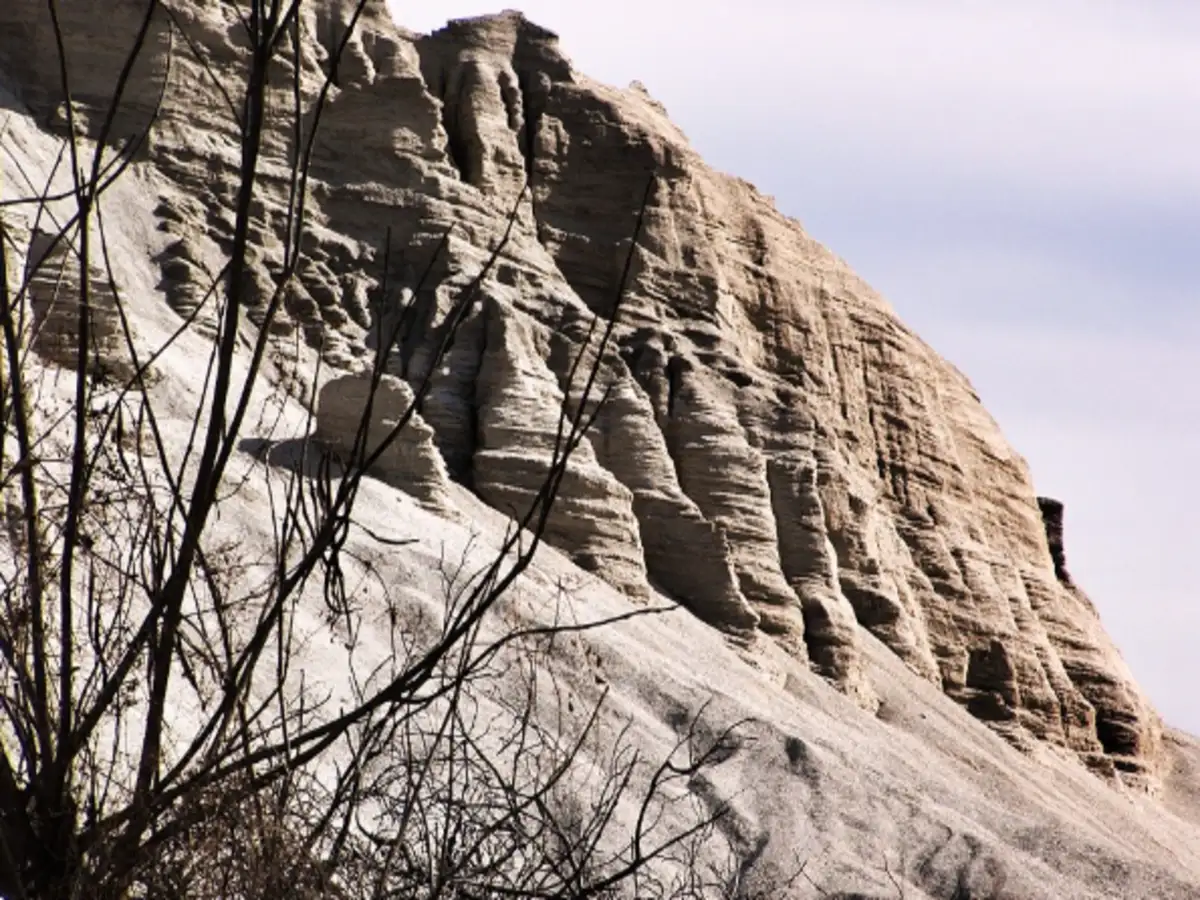
In essence, the very factors due to which the town prospered turned out to be the cause of its destruction. The crushing of ores to obtain lead and zinc created chat piles along with mill sand and sludge containing an extremely high amount of lead, cadmium and other heavy metals. Chat piles of such a kind, known to reach heights up to 200 feet, have become a characteristic part of the local landscape. Besides, the dust of heavy metals polluted the air for decades. The closing of mining activities in 1967 marked the end of the pumping of water in mines, causing the mines to flood with contaminated water since 1973.

1983 Superfund listing to 2009 evacuation

Picher’s Tar Creek area was listed in the Superfund National Priorities List of the EPA on September 8, 1983, and since then has been considered one of the most dangerous waste sites in the United States. Blood testing of area children documented dangerously high lead exposure well before the Superfund listing: EPA figures show that in 1997, 21.5 percent of children living near Tar Creek had blood lead concentrations above 10 micrograms per deciliter, more than four times the national average of 4.4 percent at the time. This data prompted the state authorities to launch a voluntary home buyout program in 2006. In the very same year, an Army Corps of Engineers report stated that many houses in Picher faced the danger of cave-ins from the abandoned mines beneath them. A deadly tornado that hit Picher in 2008 made the authorities decide that this town could no longer be inhabited.

Sign up to read this article
Read news from 100's of titles, curated specifically for you.
Already a member? Sign in here
Related Stories
Top stories on inkl right now
One subscription that gives you access to news from hundreds of sites
Already a member? Sign in here
Our Picks
Fourteen days free
Download the app
One app. One membership.
100+ trusted global sources.