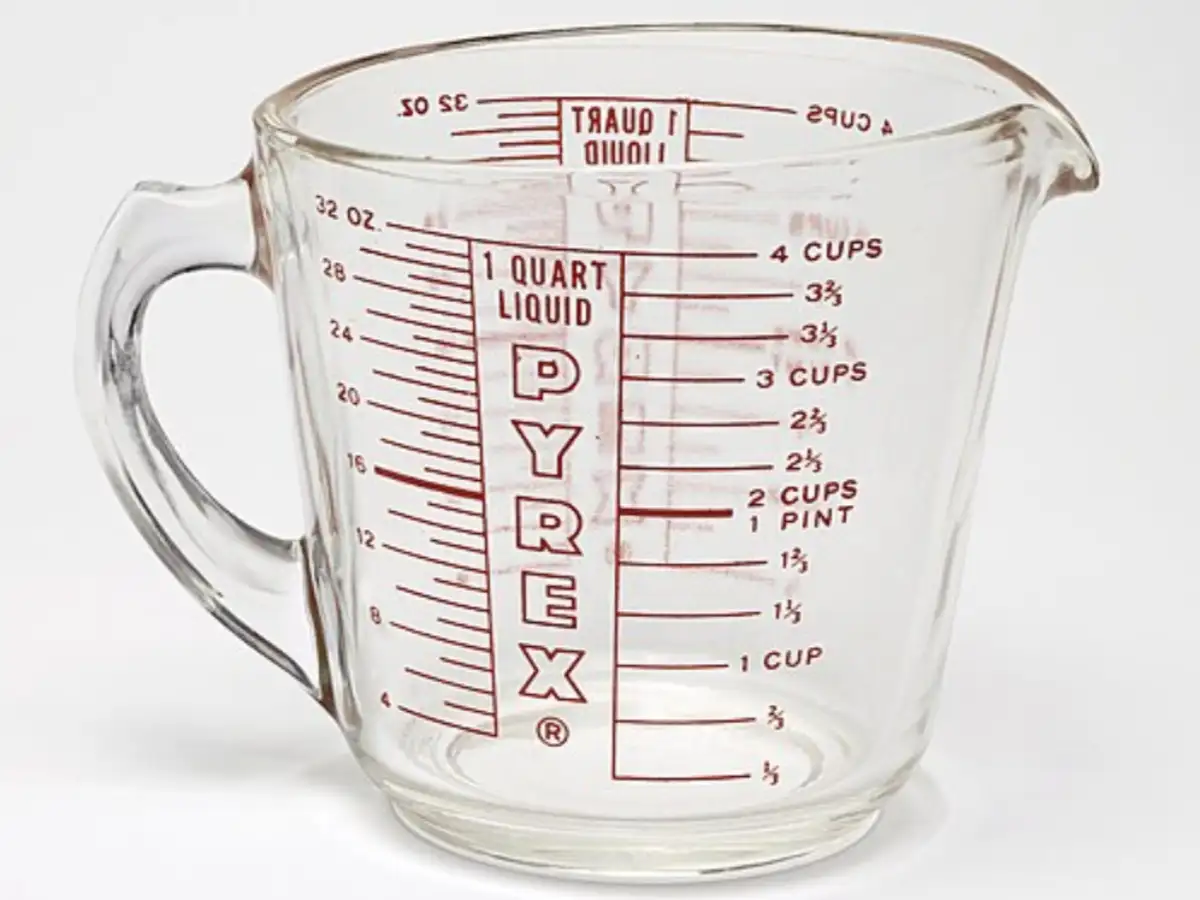
The origin of Pyrex is tied to a story that sounds surprisingly ordinary for a product that would eventually become one of the most recognizable names in kitchenware. According to accounts preserved by Corning history, glass scientist Jesse Littleton reportedly brought home part of a battery jar in 1913 after his wife suggested testing whether the heat-resistant glass might work for baking. The experiment appeared successful, and it helped demonstrate that a material developed for industrial applications could also solve a household problem. While historians are careful not to present the episode as the single moment Pyrex was created, it remains an important part of the product’s early history because it revealed a practical use for a type of glass that already possessed unusual thermal properties. Modern materials research confirms that borosilicate glass is valued for its resistance to heat and chemical damage, qualities that later made it useful in both laboratories and kitchens.