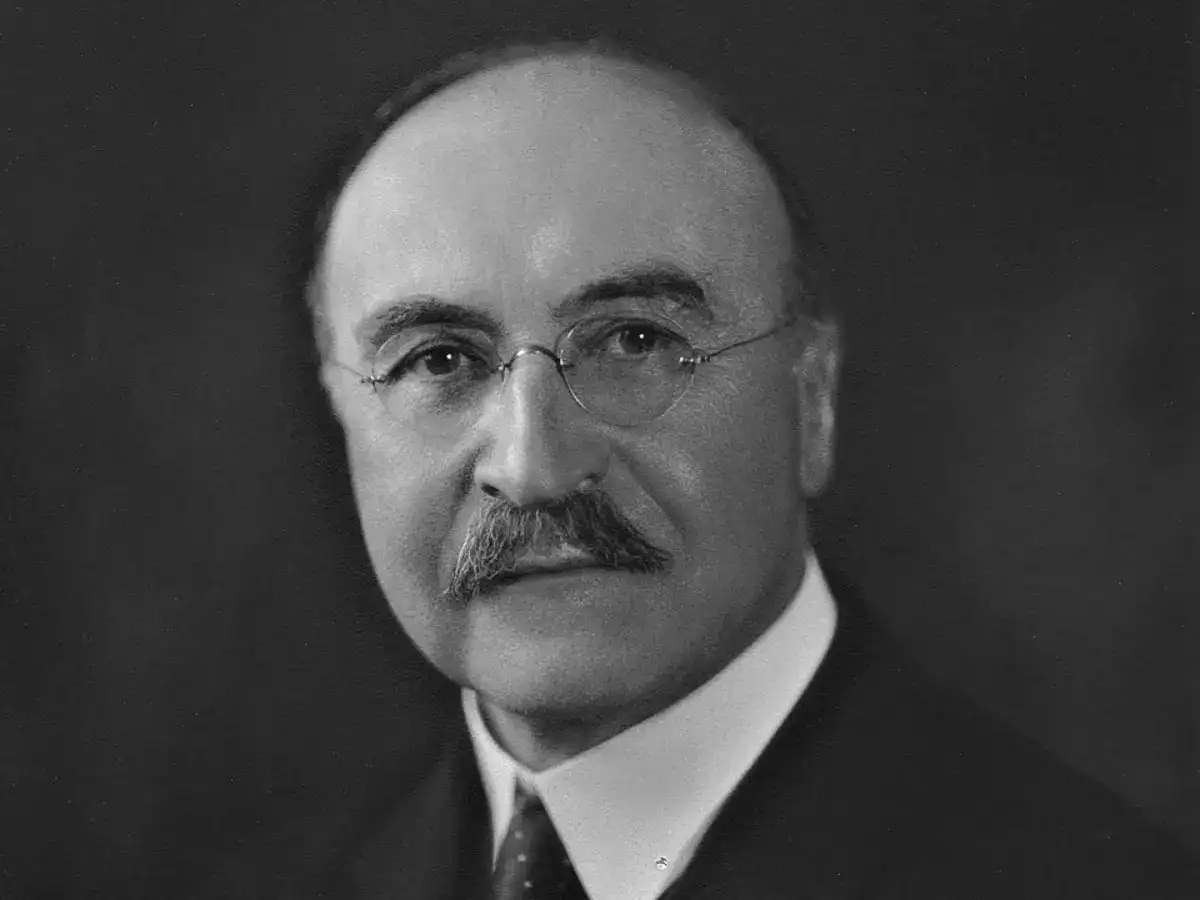
Leo Baekeland, who was working as a chemist in 1907, had an important task at hand. Shellac, a natural, biodegradable resin, used as a wood finish, a sealer, and an FDA-approved glaze in the food and pharmaceutical industries, was fast becoming hard to come by. The electrical industry needed an alternative product to use in place of shellac as it was being used to make electric wires. As a result of these efforts, Baekeland ended up discovering which is often referred to as the world's first plastic material ever created.
This historical fact is significant because it highlights how an industrial need led to the creation of a completely new class of materials. In reality, Bakelite was never intended to be the first synthetic material. This material came about as a result of attempts to create an alternative to shellac during a period when electrification was sweeping through society.