
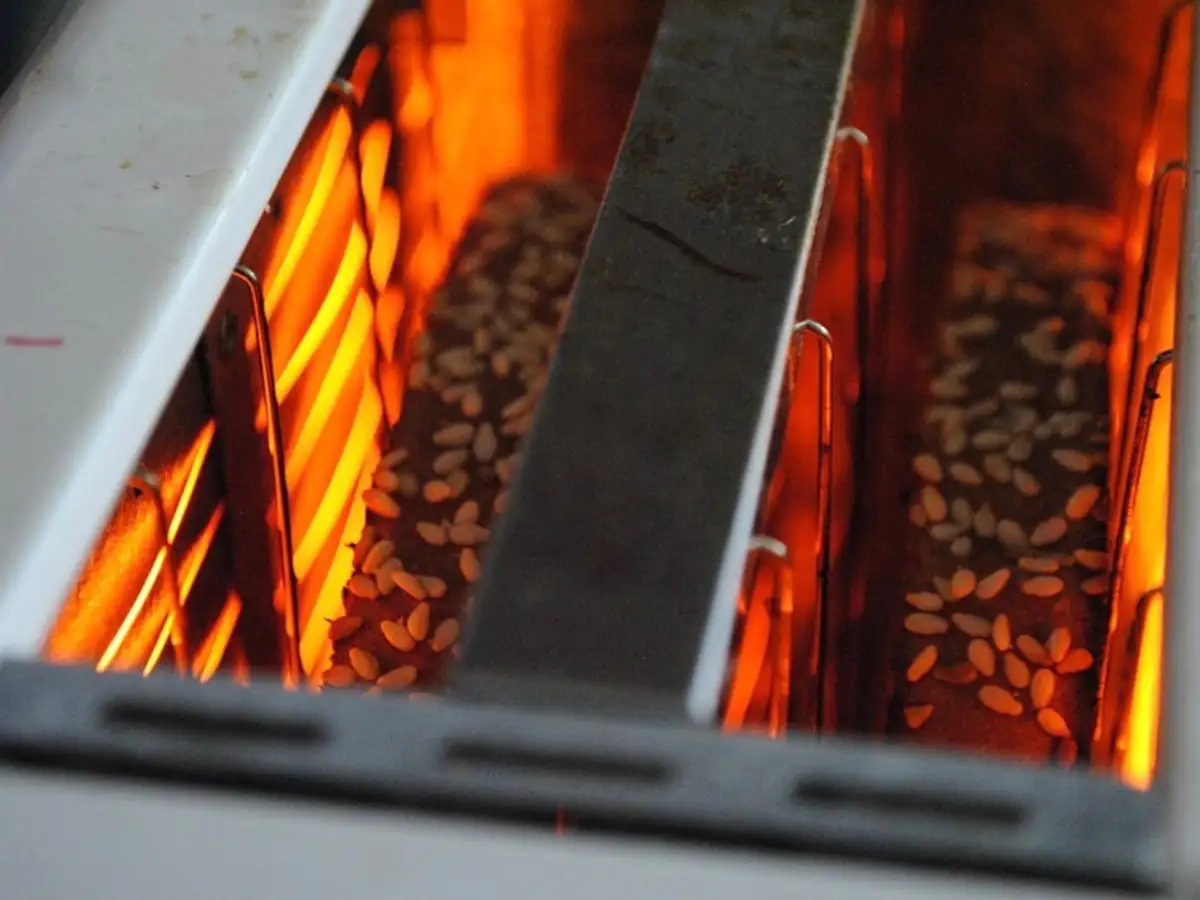
Many household inventions are remembered for their visible design, but the technologies that truly make them possible are often hidden from view, and the electric toaster is a good example. By the early twentieth century, engineers already understood how to generate heat using electricity, yet turning that principle into a reliable household appliance proved more difficult than it appeared because the heating elements available at the time frequently burned out, degraded, or failed after repeated use.
The breakthrough came in 1905, when engineer Albert Marsh developed nichrome, an alloy of nickel and chromium that could withstand high temperatures while remaining a dependable resistance wire. Materials science research published in journals indexed by PubMed, along with engineering studies examining modern heating elements, shows that nichrome remains widely used more than a century later because it combines electrical resistance, durability, and heat tolerance in ways that are remarkably difficult to replace.




