
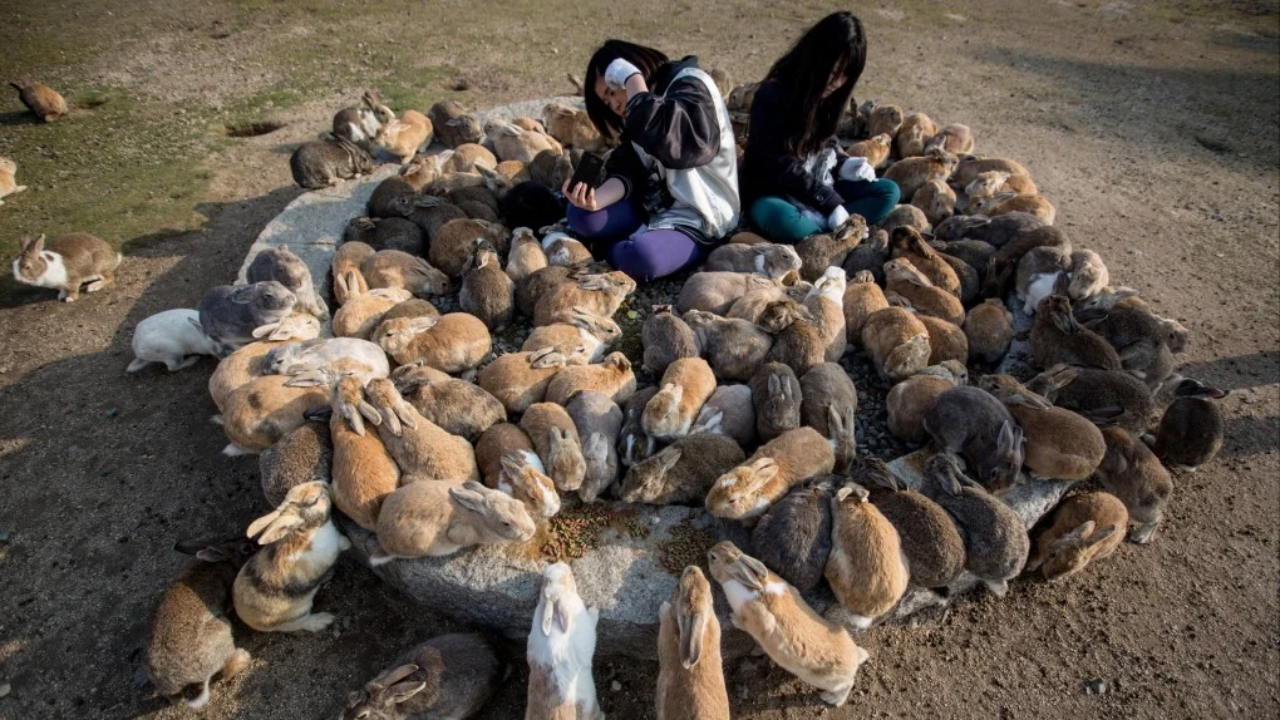
When German immigrant Max Schlemmer brought a small number of domestic rabbits to the isolated Pacific atoll of Laysan in 1903, he hoped to create a profitable meat-canning business. He also saw the animals as a source of entertainment for his children while he worked on guano extraction operations. Instead, the decision caused one of the worst ecological disasters in modern conservation history. Within a decade, the rabbits had stripped much of the island of its vegetation and eventually helped drive three of its five unique landbird species to extinction. Historical records preserved by the Papahānaumokuākea Marine National Monument show how quickly the rabbit population grew across the isolated 1,000-acre atoll. With no natural predators and an enormous appetite, the rabbits consumed vegetation faster than the island could replace it. Over the next 20 years, the uncontrolled population destroyed 26 native plant species, including the unique Laysan fan palm (Pritchardia) and native sandalwood trees (Santalum ellipticum). A once-green habitat for birds was gradually turned into a landscape of bare sand.
Get breaking news anytime, anywhere. Download the TOI app now!














