Get all your news in one place.
100's of premium titles.
One app.
Start reading
The Economic Times
The Economic Times
Shreya Biswas

In 1903, America’s first Black national park superintendent took charge at Sequoia; his troops completed more improvements that summer than the previous three years combined

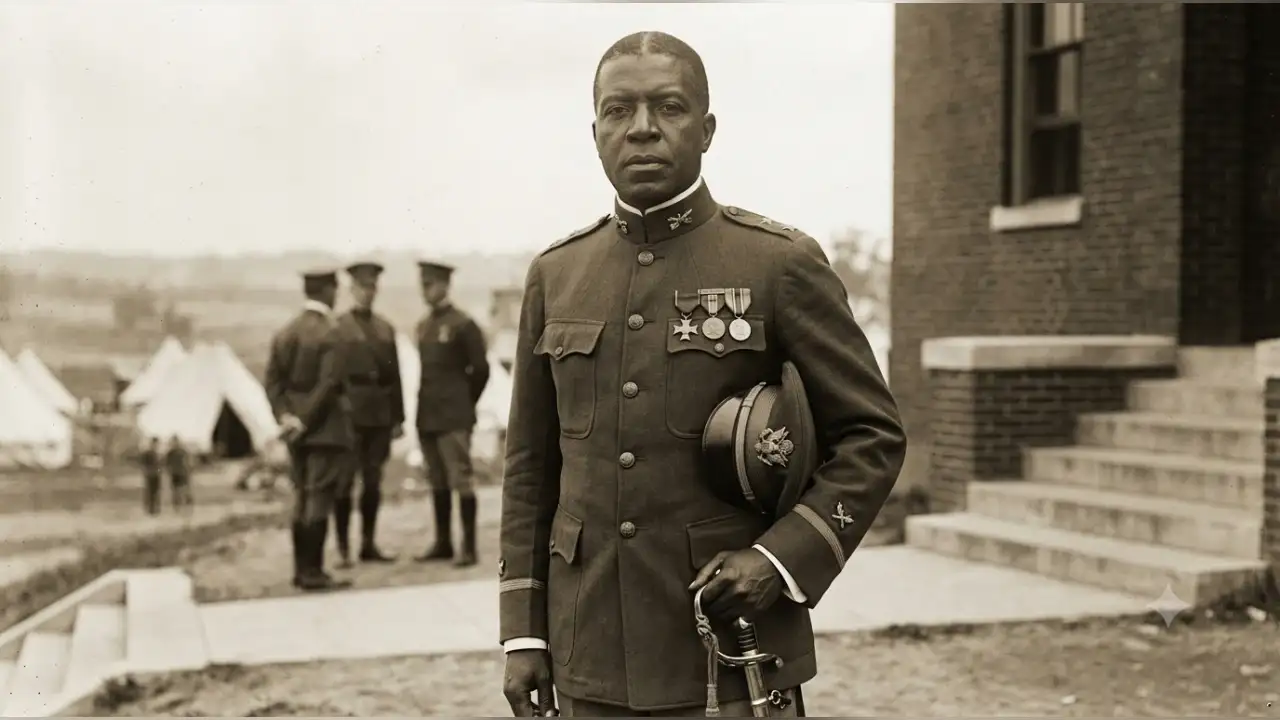
In the summer of 1903, Captain Charles Young became the first Black acting superintendent of a national park when he took charge of Sequoia and General Grant national parks in California. His assignment lasted only one summer, but during that time, he oversaw major work on roads and trails while Buffalo Soldiers helped protect the parks.

Young was serving as a captain of an all-Black regiment at San Francisco's Presidio when he was asked to take troops to Sequoia and General Grant national parks. The parks, which today encompass Sequoia National Park and part of Kings Canyon National Park, were still relatively undeveloped and difficult to access.

Charles Young took charge at Sequoia in 1903

On May 20, 1903, 96 enlisted men from Troops I and M of the 9th Cavalry left San Francisco for assignments at the parks. The soldiers were among the Buffalo Soldiers who served in the national parks during the period when the U.S. Army was responsible for their administration.

The Army had been managing the parks since 1891. Soldiers spent their summers protecting the areas from poaching, illegal logging and unauthorized livestock grazing, while also working on roads, trails and other infrastructure.

By 1900, Congress had authorized $10,000 annually for improving access to the parks. The Army had been working on an old wagon road leading toward Giant Forest from what is now Three Rivers, California.

But progress had been slow. After three summers of work, barely five miles of road had been constructed.

READ ALSO: A tiny piece of bronze protruded from an ordinary English field in 2003; archaeologists followed it underground and uncovered a 1,400-year-old royal tomb

Young accelerated work on the Giant Forest road

Young asked to begin work early and supervised the construction manager and civilian roadworkers. Under his direction, crews continued improving the road toward Giant Forest.

By the middle of August 1903, wagons could travel to the sequoia groves for the first time. The road was later extended to the base of Moro Rock. Young reported that the road had been built with a grade of less than 8 percent and said he expected it to allow many more tourists to reach the area.

An official 1903 report also praised the road and trail work carried out under Young, saying the quantity of work was largely in excess of that completed in previous years with the same amount of money. The report noted that a good road to Giant Forest had been completed.

The improved road made the giant sequoia groves accessible by wagon to the general public for the first time.

READ ALSO: In 2010, New York spread 2 million tons of clean soil over a former landfill. 7 years later, the site reopened as a 258-acre park with wetlands, woodlands, ponds and trails

Sign up to read this article
Read news from 100's of titles, curated specifically for you.
Already a member? Sign in here
Related Stories
Top stories on inkl right now
One subscription that gives you access to news from hundreds of sites
Already a member? Sign in here
Our Picks
Fourteen days free
Download the app
One app. One membership.
100+ trusted global sources.