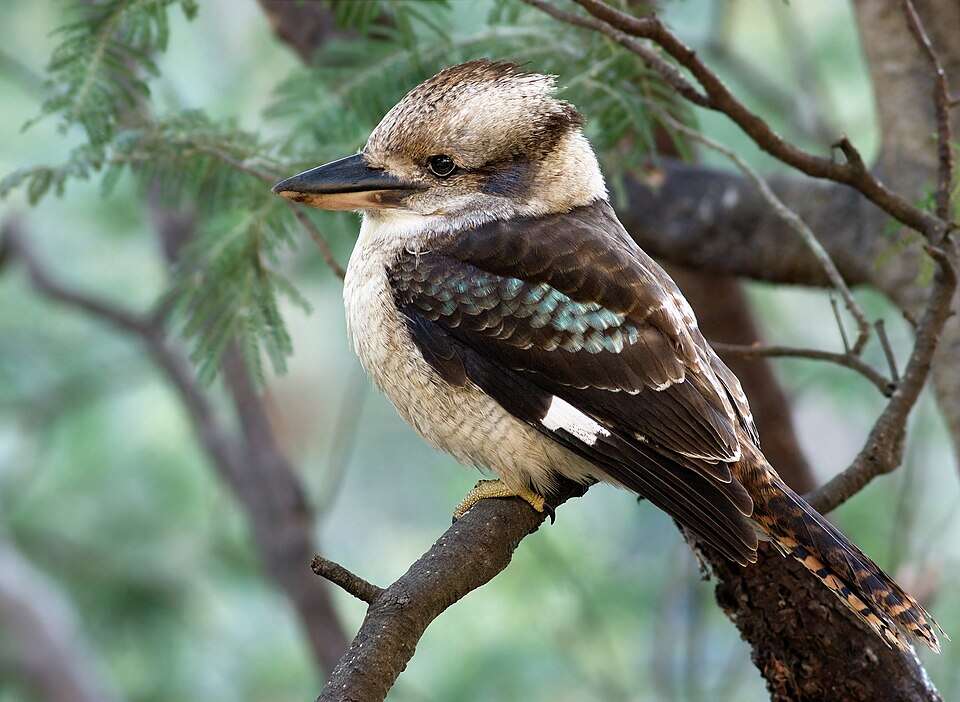
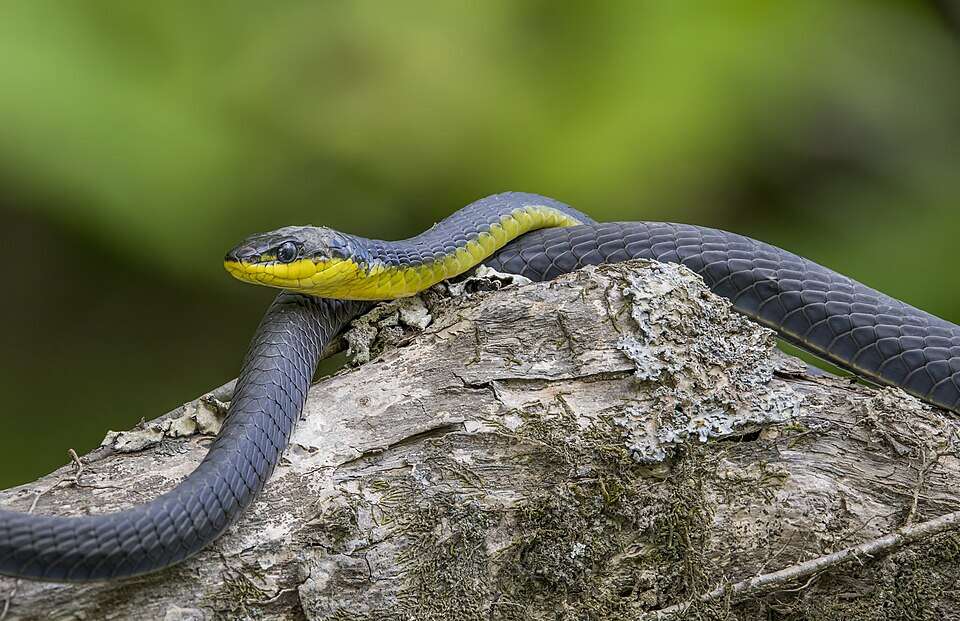
The laughing kookaburra is one of Australia's most recognisable birds, famous for its loud, human-like call and its reputation as a snake hunter. But in Western Australia, the bird's presence is the result of a deliberate experiment that began in the late 19th century. In 1897, authorities and acclimatisation groups began releasing kookaburras brought from eastern Australia, hoping they would help control snakes. Within a few decades, the birds had established themselves across much of the state's south-west, becoming a familiar part of a landscape where they had never naturally occurred.
Get breaking news anytime, anywhere. Download the TOI app now!
Hundreds of birds were released across the south-west
According to research on Introduced Birds and Mammals in Western Australia , kookaburras had been sighted in Western Australia before organised releases began, including at Albany in 1883 and between Perth and Fremantle in June 1896. The first official introductions began in 1897, after which hundreds of birds were imported and released at various locations across the southern part of the state until 1912.
The Western Australian Museum also describes the introduction this way: the birds were brought in to control snakes, but later became predators of native species. That outcome was not necessarily surprising from the bird's biology. Kookaburras are generalist predators. Their diet is not limited to snakes. They can also take insects, reptiles, frogs and small birds, meaning that once established in a new environment, their impact is not confined to the problem they were originally brought in to address.
A predator introduced into a different bird community
The south-west of Western Australia is one of the country's most distinctive ecological regions, with many species found nowhere else. Its bird communities evolved in isolation from the laughing kookaburra, which is native to eastern Australia. That meant the arrival of a large, territorial predator created a new relationship within the local ecosystem.
According to research on Conservation Science Western Australia , the laughing kookaburra spread through much of the south-west after its introduction. The research also documented the species' establishment and expansion across the region, while placing its arrival within a broader history of animals being deliberately moved into environments where they did not originally occur.
There is also the problem of the changes seen in the Western Australian bird population that cannot be attributed simply to the presence of the kookaburras. Other causes such as habitat destruction, vegetation change, predator introduction, and others have brought about change in the south-west. However, the addition of the kookaburra into the ecosystem is another source of pressure. The bird’s feeding habits are one reason it became a focus for conservationists. They can prey on small reptiles, frogs and even birds, especially during the breeding season.
The legacy of an old solution
According to historical documentation, the birds had started breeding in places where they had been released, while other accounts described the presence of the species throughout much of south-western Western Australia. The species might have been chosen for its ability to control a certain pest, but predators never confine their activities to one particular prey. When they establish themselves, they occupy a much broader ecological role than the one for which they were introduced.
As the kookaburras spread beyond the areas where they were deliberately released, their diet also extended beyond the problem they were originally intended to address. They were observed preying on native birds, lizards and frogs, bringing them into direct contact with species that had evolved without the eastern kookaburra as a predator.
Moving species between regions was once viewed as a practical way to address environmental problems. In Western Australia, however, introducing the eastern kookaburra brought a new predator into an ecosystem where it had not previously occurred, creating ecological effects that continued long after the original intervention.