
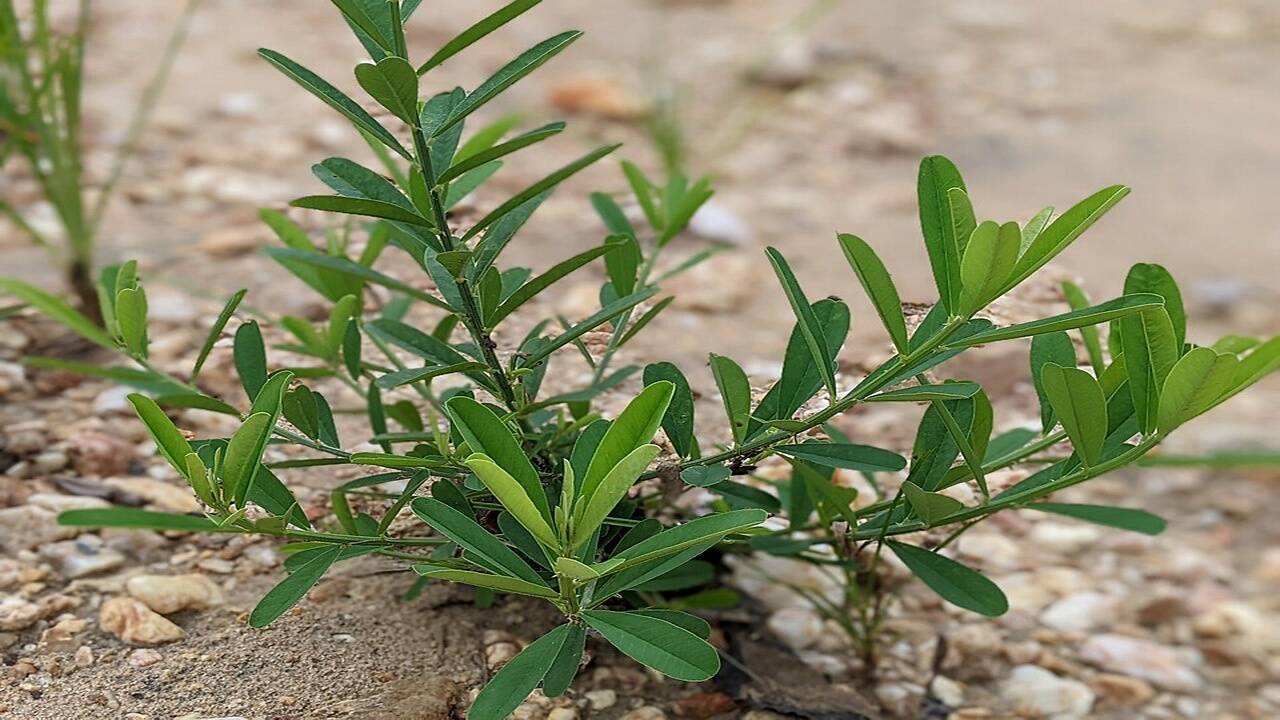
In 1896, an Asian plant was introduced to North Carolina for agricultural testing. Sericea lespedeza, a perennial legume also known as Chinese bushclover, appeared well suited to difficult conditions. It could tolerate drought, acidic soils, and poor growing conditions, making it attractive to farmers and land managers looking for hardy plants. What began as an agricultural experiment later expanded into broader efforts to stabilise damaged soils, reclaim mined land, and protect vulnerable landscapes. According to the US Forest Service , sericea lespedeza, native to eastern and central Asia, was first planted in the United States in 1896 at the North Carolina Agricultural Experiment Station. Initially introduced for agricultural testing, it was later planted more widely during the 1920s and 1930s for erosion control and mine reclamation.
Get breaking news anytime, anywhere. Download the TOI app now!












