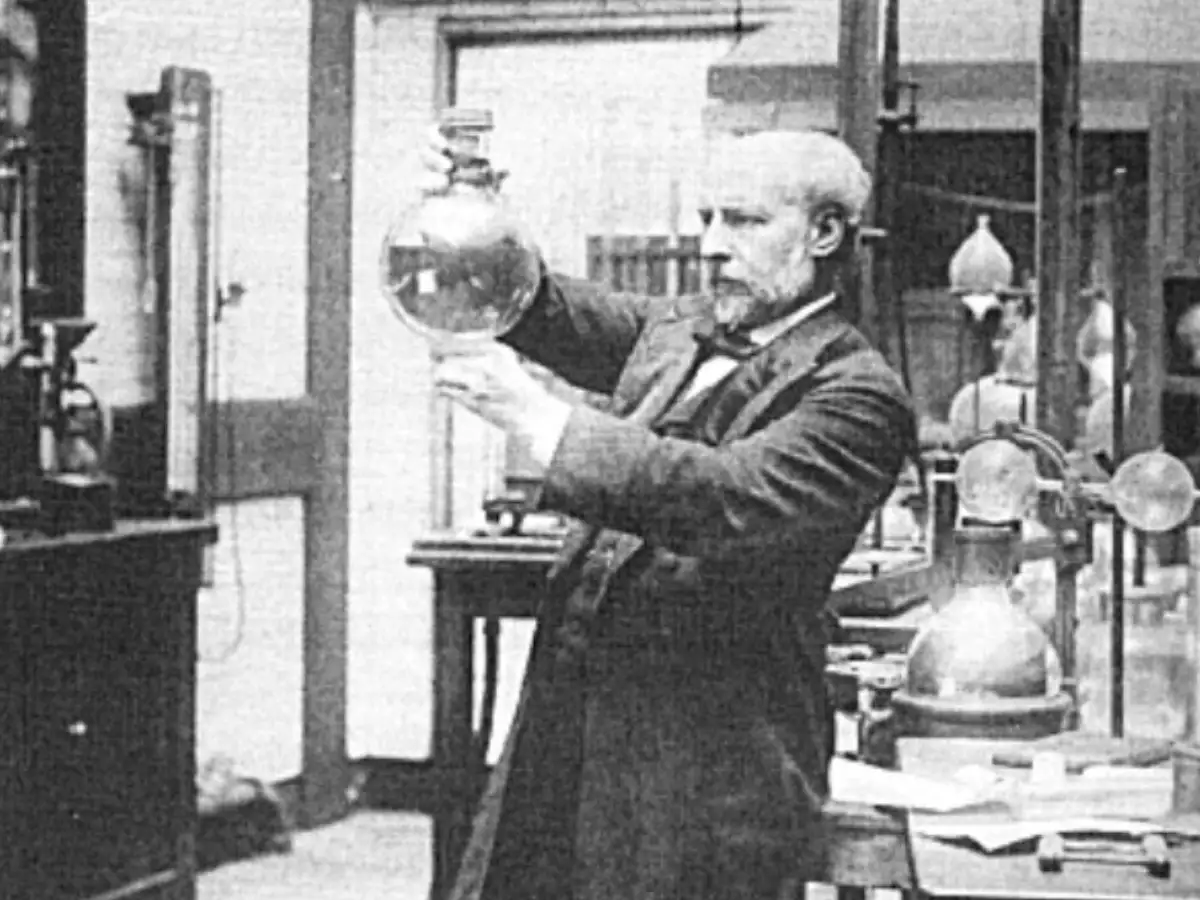
Some inventions begin with a consumer need, while others begin with a scientific problem so specific that nobody imagines the wider public will ever care about it. The vacuum flask belongs firmly in the second category. In the late nineteenth century, chemists and physicists were racing to understand matter at extremely low temperatures, and that meant finding ways to store liquefied gases long enough to study them before they rapidly warmed and evaporated.
Scottish chemist James Dewar’s solution was a double-walled glass vessel with a vacuum between the layers, a design that dramatically slowed heat transfer and made low-temperature experiments far more practical. Research published in the Philosophical Transactions of the Royal Society and, later, in cryogenic history reviews in Cryogenics and the Journal of the Royal Society of Medicine describe the Dewar flask as one of the key enabling technologies behind the development of modern low-temperature science. What makes the story remarkable is that a vessel designed for laboratory work eventually became one of the most familiar objects in everyday life.