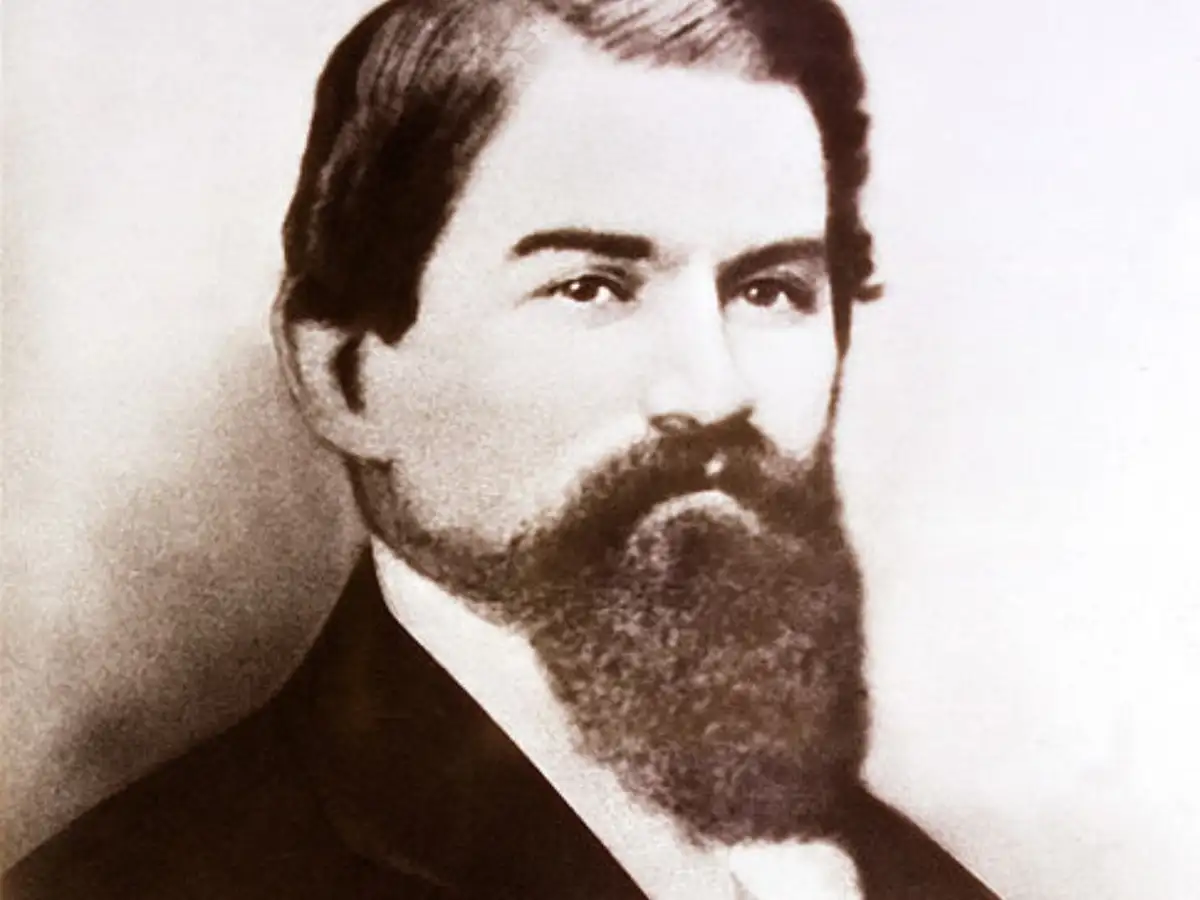
Before Coca-Cola became one of the most recognized brands globally, it began as a syrup made by a pharmacist named John Pemberton, when medicine, drinks, and merchandising often found themselves behind the counter together. This narrative is usually simplified to the point where the story begins with a medicinal syrup being mixed with carbonated water in a soda fountain to produce a drink loved by the people far beyond expectations.
It is portrayed as a case of sheer luck, but there are hints to consider that paint a more intriguing picture. Although the creation could have been accidental, it occurred at a time when many medicinal syrups, herbal stimulants, soda fountains, and experimenting pharmacists were part of American history.