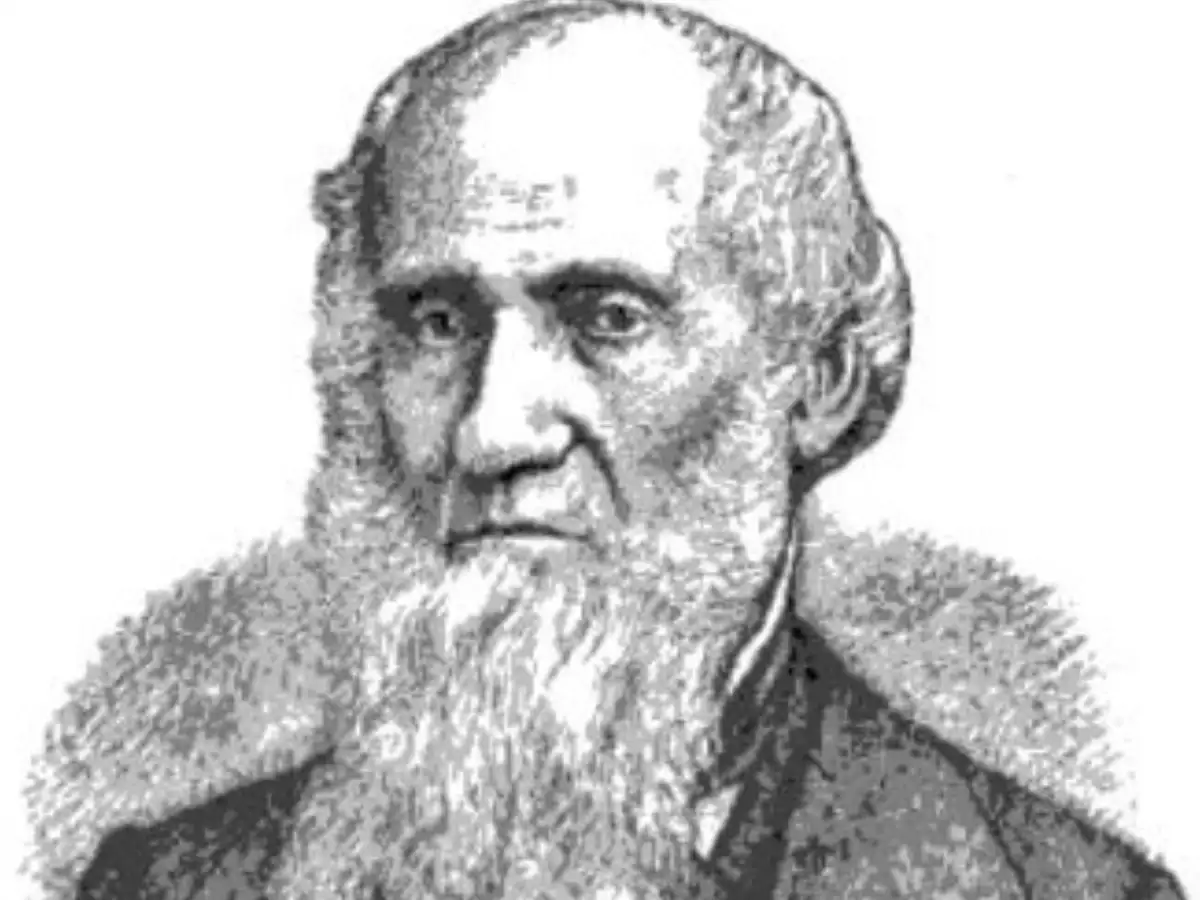
Picture upstate New York in the early 1800s: a landscape dotted with wooden bridges which are rapidly buckling under the combined weight of barges, wagons, and the burgeoning traffic of the Erie Canal. Step in Squire Whipple, a relatively unassuming graduate of Union College who looked at this national engineering conundrum and set out to solve it with mathematics rather than guesswork.
According to the National Inventors Hall of Fame, the industrious Mr. Whipple went on to patent an iron truss bridge design in 1841 that has seen more than 100 uses across America's waterways and early railroad systems. And for a man whose name evokes the image of a well-tailored three-piece suit, his place in history could not be more forward-thinking: the bridges built to his specifications are cheaper, stronger, and mathematically sound.