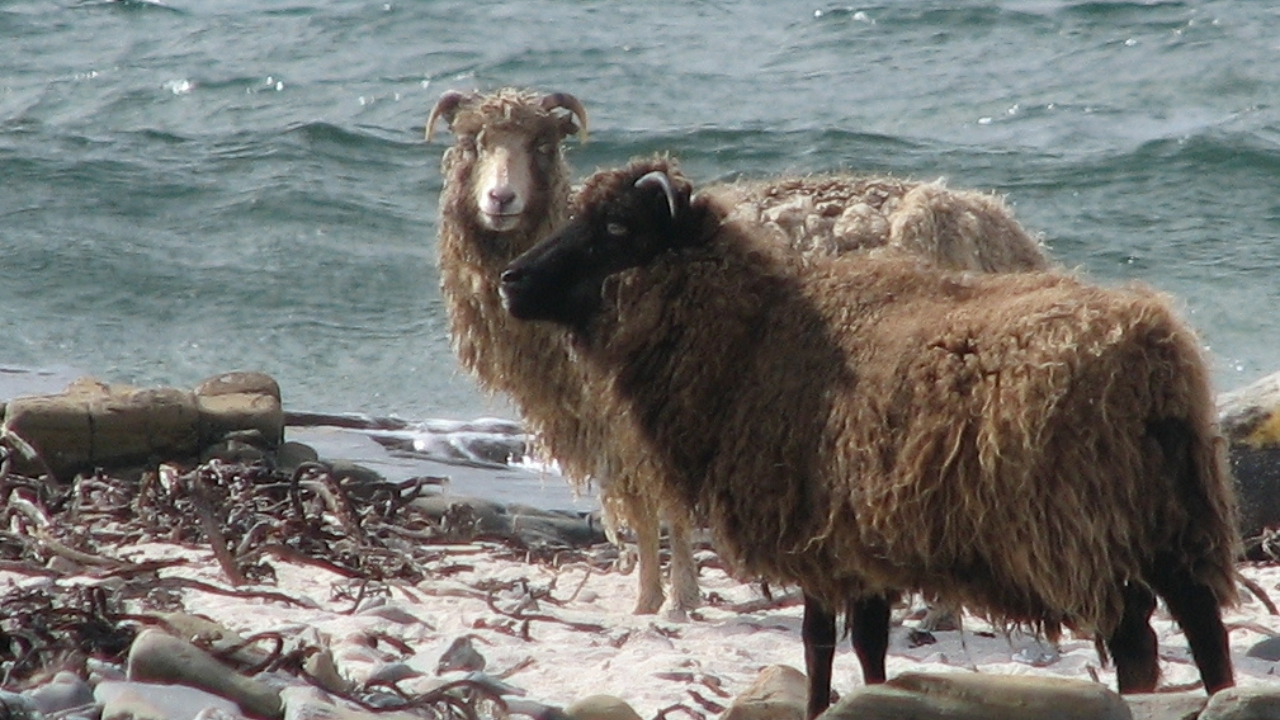
The economy of North Ronaldsay, which was a small island in Scotland's Orkney archipelago, had started changing in the 1830s. The island's kelp industry had collapsed, and landowner John Traill wanted more of the island available for agriculture and cattle. Around 1832, islanders built a dry-stone sheep dyke around the perimeter of North Ronaldsay, which separated the native sheep from most of the island's inland grazing land and kept them on the foreshore for much of the year. Historic Environment Scotland describes the structure as roughly 12 to 13 miles long and about 6 feet high, built to keep the sheep on the shore, where they grazed on seaweed.
Get breaking news anytime, anywhere. Download the TOI app now!