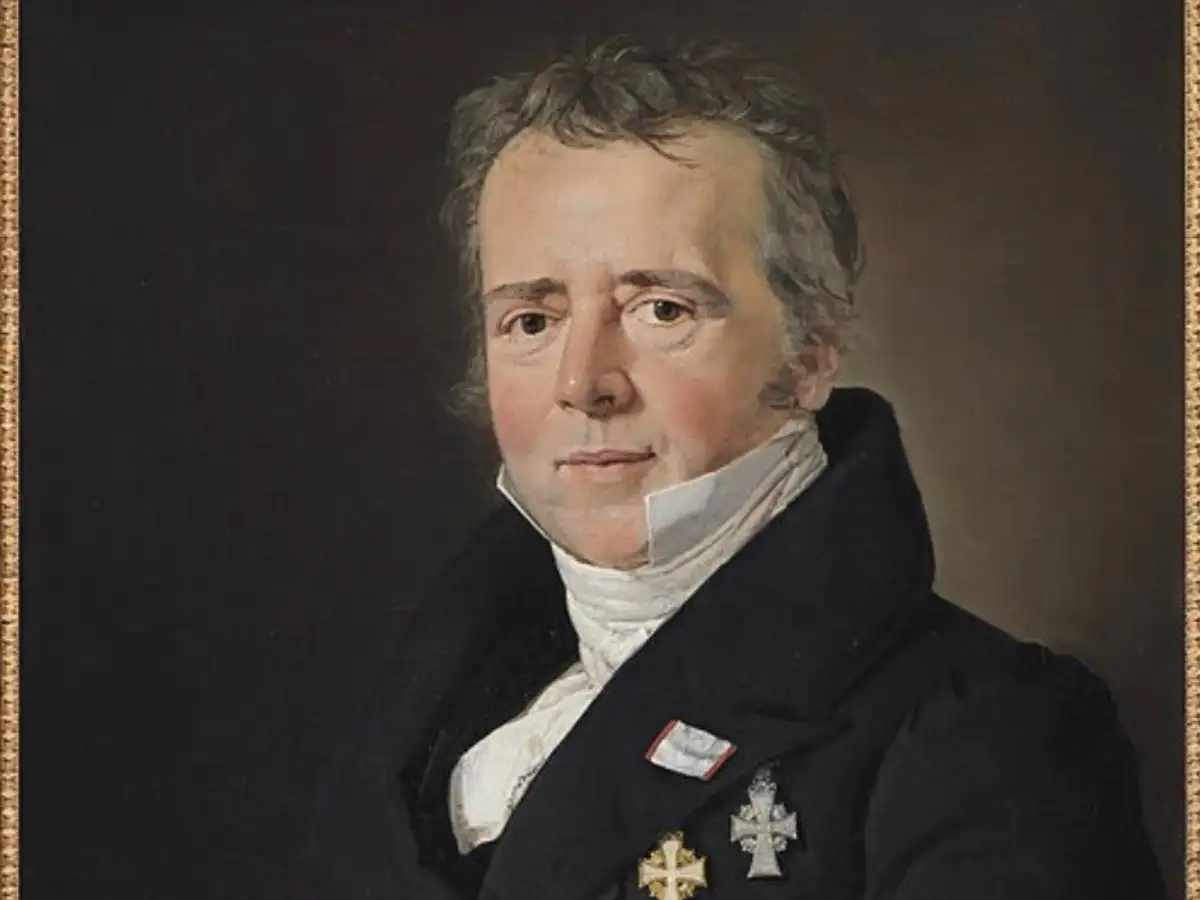
In 1820, Danish physicist Hans Christian Ørsted stumbled upon something huge while doing an experiment during one of his lectures. He saw that a compass needle moved when electric current zipped through a wire. Though the movement was barely noticeable, it showed that electricity and magnetism weren't separate but somehow linked.
This finding is key to modern physics today. It makes stuff like electric motors, generators, telecommunication devices, and even computers tick. But here's what's really cool: Ørsted figured out this big idea using just basic stuff, like a battery, some wire, and a compass.
That small setup ended up revealing profound truths about our world. So, it wasn’t about how complicated the gear was; it was all about Ørsted spotting a tiny clue and seeing its vast importance.
A classroom demonstration became a scientific breakthrough
In 1820, Hans Christian Ørsted, a Danish physicist, made an amazing discovery while giving a lecture. When electric current flowed through a wire, it made a nearby compass needle twitch. Even though the movement was slight, it showed that electricity and magnetism were connected, and this connection is super important for modern physics. It helps make electric motors, generators, telecommunication gadgets, and computers possible. What’s really neat is that Ørsted used simple equipment: a battery, wire, and compass to get this insight. From such a basic setup came major revelations about our world. So, the complexity wasn't in his tools, but in recognizing a small clue's big impact.