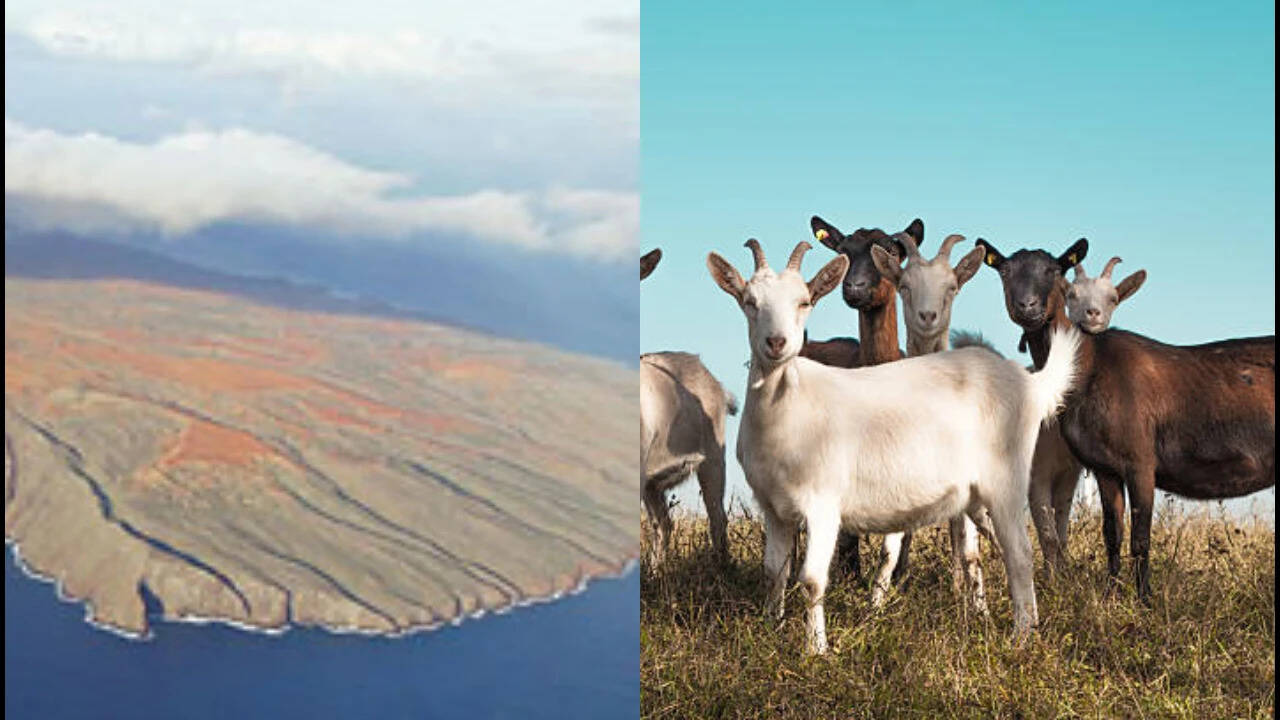
From an island carved by voyagers, farmers and sacred traditions comes the unlikely story of thousands of hungry goats. They grew on Kaho’olawe from a small 18th-century introduction into a herd of perhaps 50,000, stripping the vegetation and hastening erosion over the landscape. Today, the Hawaiian island is the focus of a decades-long effort to restore its ecosystems and cultural heritage. The story of Kahoʻolawe is one of environmental destruction, Indigenous activism and an ongoing effort to bring a sacred landscape back to life, states the Kahoʻolawe Hawaii govt website. According to the website, archeological evidence suggests native Hawaiians arrived on Kahoʻolawe around 400 A.D. Over the centuries the island became an important navigational center and supported fishing communities, agriculture, an adz quarry and places of religious ceremony. The cultural importance of the island is demonstrated by the some 3,000 archeological and historical sites and features that were documented through 2004. Kahoʻolawe, once a wahi pana and puʻuhonua, is a sacred site, a place dedicated to Kanaloa, the Hawaiian God of the ocean. But centuries of traditional use were followed by dramatic shifts. Scroll down to read the details.
Get breaking news anytime, anywhere. Download the TOI app now!