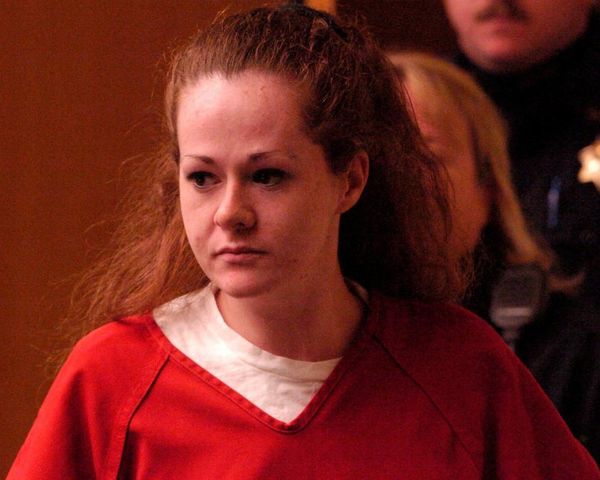
A pregnant Spanish woman has described feeling 'impotencia' over what she says are rising safety fears in Ceuta, claiming in a widely shared video that the Spanish enclave has become 'unrecognisable' since a mass crossing from Morocco.
'I'm pregnant and I'm suffering,' the unidentified woman says in the footage, ending her appeal with 'impotencia', Spanish for helplessness or powerlessness. She alleges women have been raped, fighting has occurred in public spaces and girls are afraid to leave home.

Her identity, the exact date and location of the recording, and the allegations made in the video could not be independently verified. The clip emerged as Ceuta handles alleged sexual assaults and reports of harassment affecting women sleeping outside overcrowded migrant accommodation.
Pregnant Resident Voices Fears Over Safety in Ceuta
The woman says Ceuta had long been safe and welcoming, but claims families' daily lives have changed following the arrivals.
'We cannot live like this any longer,' she says, calling on residents of Ceuta and people across Spain to 'rise up'. She says beaches, the marina and children's play areas no longer feel safe.
pic.twitter.com/QFJsOfa1UK
— Russian Market (@runews) August 19, 2026
ELEVEN MINOR GIRLS FILE SEXUAL-ASSAULT COMPLAINTS IN CEUTA
Eleven underage Moroccan girls have filed complaints of sexual assault with Spanish police in Ceuta since the large-scale migrant arrivals at the end of July.
Officials and medical sources…
The footage was shared by Visegrád 24 on X, but the post does not identify the woman or independently substantiate the claims made in the clip.
Her account is personal testimony. It does not establish responsibility for alleged offences or disorder among migrants as a whole.
Courts in Ceuta Handle Assault Allegations
Ceuta court authorities have processed three sexual-assault cases involving migrant women who arrived during the mass influx from Morocco on 30 July.
The authorities said the alleged perpetrators were Moroccan migrants who entered the city during the crossing. Two alleged victims were minors, and the accused men were remanded in custody in both cases.
In a third case, an adult woman alleged she had been indecently assaulted, and a judge ordered the alleged assailant's deportation.
A separate deportation order was issued for a man charged with breaking and entering after he allegedly climbed into a local woman's bed in his underwear.
Police Union Cites Reported Assaults After July Crossing
Spain's largest police union, the SUP, said 15 sexual assaults of varying severity had been reported in Ceuta since 30 July. It said a significant majority of alleged victims were underage.
The Interior Ministry and police have not confirmed the union's figure or provided further details. The number should therefore be treated as a police-union count, rather than an official total.
Authorities say 5,000 to 8,000 people remained in Ceuta more than two weeks after 72,000 people crossed from Morocco in the deadly border surge. Police and social services had registered 2,168 children by Tuesday, alongside 500 adult asylum applications by the previous week.
⚠️ 🇪🇸 Spanish women in Ceuta live in fear after migrant surge brings insecurity and assaults
— Joe (@LTSmash420) August 14, 2026
A young local woman interviewed on the streets of the Spanish enclave describes the dread that has settled over residents following the late-July mass crossing from Morocco, as reports…
Three women sleeping outside Ceuta's government-run migrant reception centre said some men staying nearby had harassed them while they waited to be registered. Wafae Atid, 28, said: 'It's really bad ... A lot of guys are trying to attack the girls every night, sometimes just when you go to the toilet. They follow you.'
The reception centre was housing about 700 people, around 200 above capacity, according to local authorities. Hundreds of Moroccan, sub-Saharan and South Asian migrants were sleeping outdoors near the facility and the El Trampolín urban beach.
Services Strain as Authorities Seek Safe Shelter
Health Minister Mónica García said medical services had treated five women for sexual violence. She said the immediate priority was to provide migrants with safe accommodation. 'The best way to protect women and children is to ensure they are in safe spaces,' García said.
Migration and Social Security Minister Elma Saiz said authorities and the Red Cross were distributing 4,000 meals a day and female hygiene kits.
Temporary reception centres providing 1,500 additional places were being prepared, she said. Save the Children, Unicef and Amnesty International have called for safe housing and specialist support for migrant women and girls.
The pregnant woman's video sets out one resident's fears about the impact of the crisis. The separate accounts from women sleeping outside the reception centre point to risks facing migrants without secure shelter.