
Get all your news in one place.
100's of premium titles.
One app.
Start reading
Woman & Home
Woman & Home
Lifestyle
Kat Storr

I’m an osteopath - this 10-second exercise is the one I’d do if I had neck pain from sitting down all day

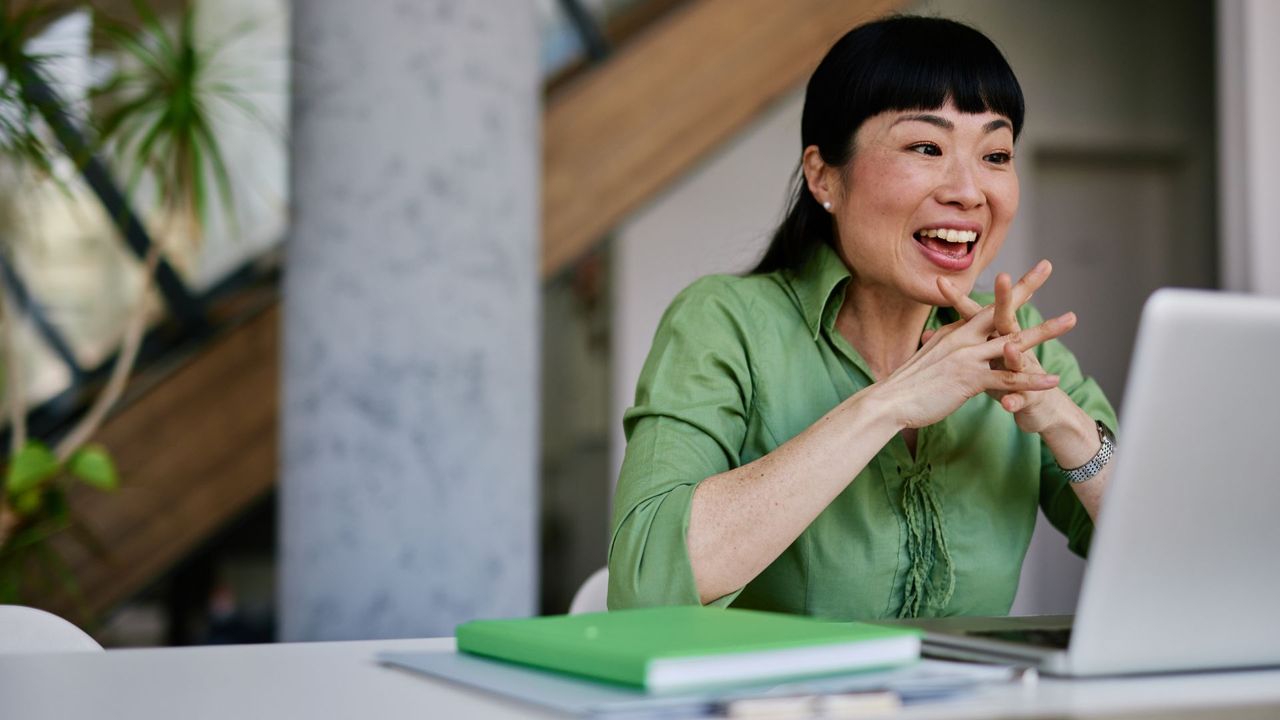
Woman talking to video call, sitting at desk smiling.

If you spend days at a desk or most of your time sitting down, you might be familiar with the niggle that starts to emerge at the top of the spine at the end of the day. While a quick walking workout or a desk exercise fires up the brain cells and gets the blood pumping, it does little to shake out this point of tension.

Research by Slouch found that almost two in five of those aged 45-54 report neck pain and tightness (38%) compared to younger generations.

Osteopath Nadia Alibhai, founder and director at Back 2 Wellbeing, says that an “accumulation” of habits affecting the muscles and ligaments in our bodies is the cause of the issue for women at this age. Some people might “notice a persistent tightness in the neck, a heaviness in the shoulders or a stiffness in the body that lingers even after movement and exercise”, she explains.

We’ve all woken up with a stiff neck after sleeping at an odd angle, but persistent or regular neck pain might cause other problems. “More obvious signs of strain include feeling restricted when moving, such as struggling to raise your arms freely or being less able to look over your shoulders,” explains Nadia. “These are all the body's cues telling you that it’s been adapting to positions for a little too long.”

Nadia has an easy exercise we can all do to help reduce neck pain. Here's how to do it:

  • Place one hand behind your head, push your head back and tuck your chin in to form a double chin.
  • You should feel the muscles at the back of your neck. Those are the trapezius.
  • By doing this simple exercise regularly, you will start to strengthen and correct these muscles.
  • Remember not to lead with your head in everyday movement too. Always keep your chin tucked.

As with all aches and pains in the body, the key is finding out the cause to avoid exacerbating it. Our daily habits can strain our bodies, and if we repeatedly create tension and don't release it through stretching or mobility exercise, it will only get worse.

Nadia says: “Your head weighs around four to five kilos, so every time it is put forward, there’s more strain going through your neck. When your head is stacked over your spine, however, it isn’t straining as much. To reverse this, it depends on how long you’ve been holding this strain for and when the symptoms started. If it is a postural habit, stretching and keeping your chin tucked can help. Focusing on a dynamic posture, where you’re moving regularly, is key.”

Other ways to reduce neck pain

  • Check your pillow: Make sure your pillow is low and firm and that your neck is in line with your spine when sleeping. Sleeping on your back or side can also prevent neck pain.
  • Adjust your screen: If you’re spending a lot of time looking down at a computer screen, you could try switching to a sit-stand desk. Here, your eyes can be level with the screen. If this isn’t possible, make sure your screen is at a suitable height to avoid looking down.
  • Take regular breaks: Movement breaks are great for your body and brain. Stretching your upper body muscles away from your desk can help.
  • Hot and cold therapy: Alternating between an ice pack and a heating pad on your neck can release tense muscles, but always check in with a professional if you haven't done this before.
Sign up to read this article
Read news from 100's of titles, curated specifically for you.
Already a member? Sign in here
Related Stories
Top stories on inkl right now
One subscription that gives you access to news from hundreds of sites
Already a member? Sign in here
Our Picks
Fourteen days free
Download the app
One app. One membership.
100+ trusted global sources.







