
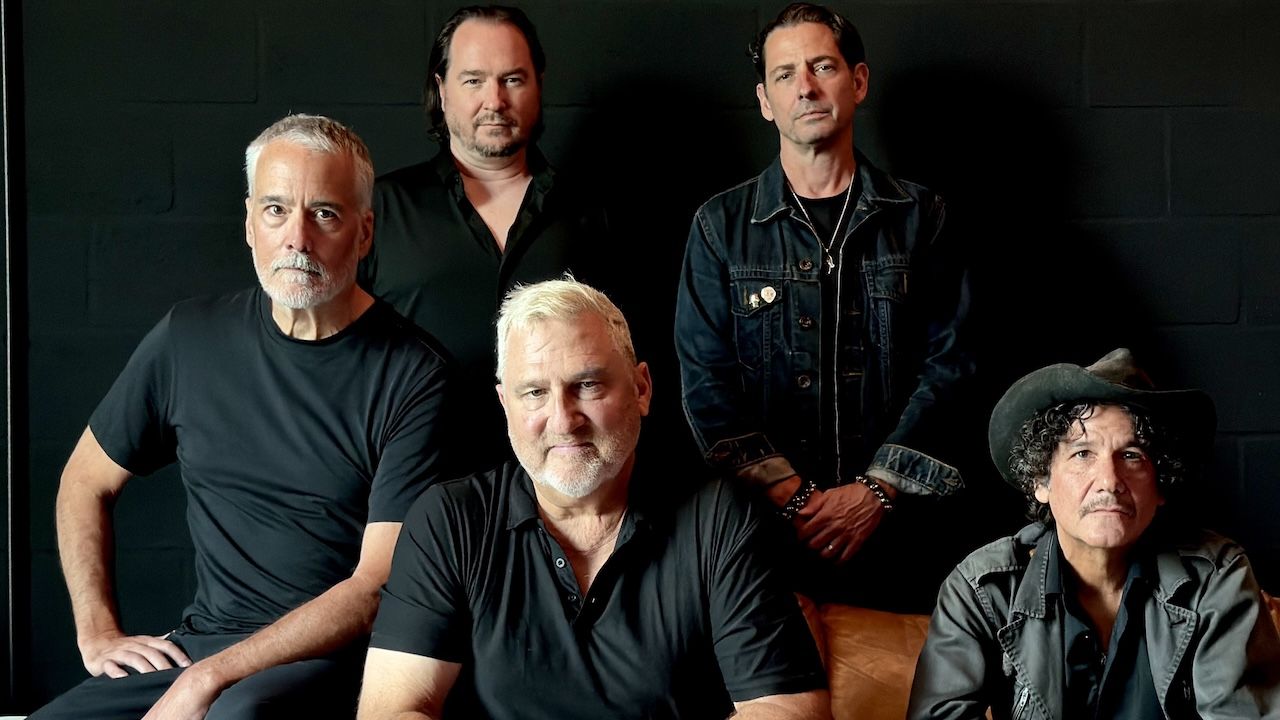
Size isn't everything.
When historians look back over the US alternative rock scene of the 1990s, they will naturally focus on the scene's biggest hitters - Nirvana, Pearl Jam, Smashing Pumpkins, Soundgarden, Nine Inch Nails, etc,. But that won't be the whole story, with some of the finest bands of the decade - Shellac, Hole, Girls Against Boys, The Flaming Lips, Fugazi, Living Colour, Tad, Babes In Toyland, etc,. - having their own fascinating and indelible contributions to the musical landscape.
The Afghan Whigs are one such band. From 1992's Congregation, their second album on Sub Pop, through to 1998's 1965, their sixth studio album and final major label record, the Cincinnati, Ohio band never took a wrong step, never failed to deliver.
Led by frontman Greg Dulli, the suavest motherfucker in alternative rock, the group blended influences from punk, funk, soul, gospel music, and old school R&B into some of the decade's most compelling music. Dulli, a one-time Catholic altar boy, seemed to have an encyclopedic knowledge of sin, and first-hand insights into man's deepest, darkest desires, making the central characters in his band's richly-textured songs figures as dangerous as they were seductive: that Dulli chose Gentlemen as the title of the band's 1993 album was obviously loaded with irony when you read into his lyrics.
In 2001, The Whigs split, allowing Dulli to go deeper into cinematic, after hours rock with The Twilight Singers, The Gutter Twins (alongside his good friend and one-time room-mate Mark Lanegan) and his own solo albums. Ten years later, the Whigs returned, better than ever: their forthcoming tenth album, the excellent Soft Control, coincides with their 40th anniversary.













