
The XR market is a strange beast. I distinctly remember walking into the HTC Vive booth at MWC 2015 in Berlin and walking out as I'd just seen magic for the first time. We've seen the market make some pretty seismic shifts since then, and while 2020 was the last fundamental shift with the release of the Oculus Quest 2, 2026 may just be the most pivotal year yet for the industry.
That's because 2026 will be the year we see the first true XR glasses make their debut. Sure, we've seen plenty of cool face computers from Meta, RayNeo, and even Snapchat make impressive strides in smart glasses design, but I think it's the partnership between Xreal and Google that's going to really showcase the next evolution in XR we've been craving.

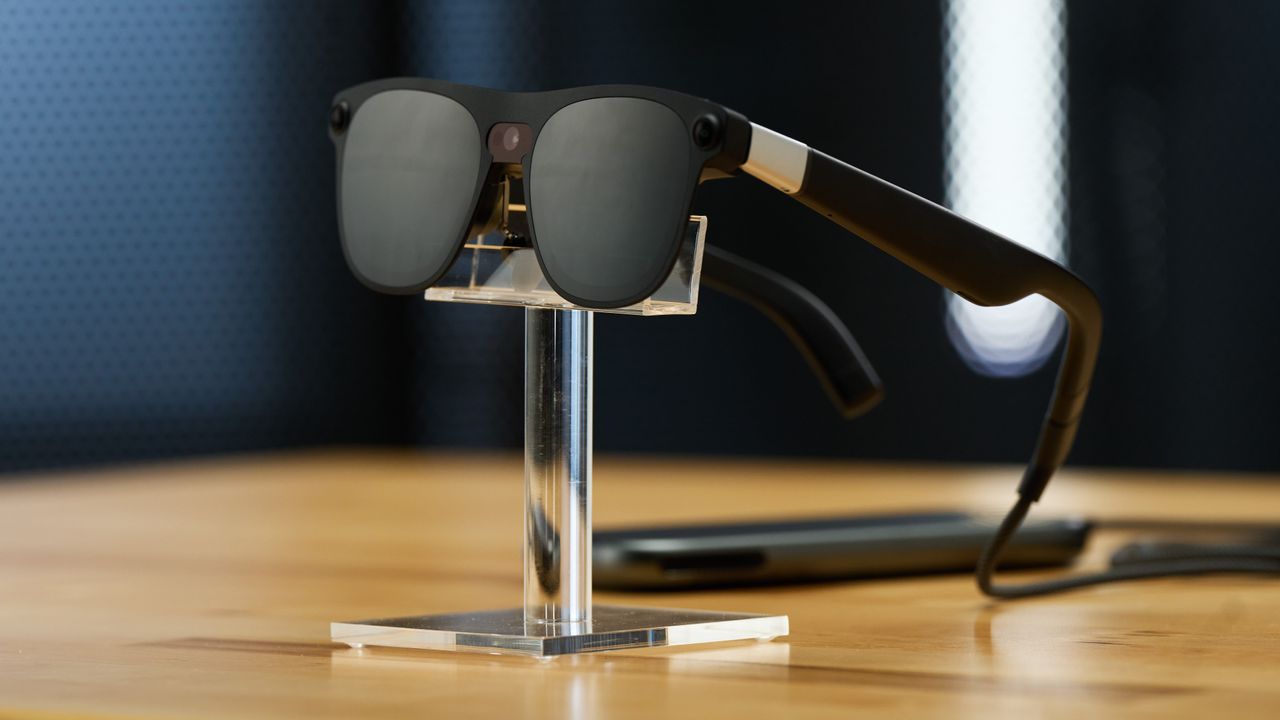
In short, I think Xreal's Project Aura will be the holy grail people have been asking for, bridging the gap between immersive (but bulky) VR headsets and lightweight (but limiting) smart glasses. Android Central editor Michael Hicks got to try them in early December, and his impressions offered me the hope I've been longing to see.
Aura farming

Xreal Project Aura is going to totally revolutionize XR headsets as we know them when it launches in 2026. We don't have a price or a specific release date yet, but I'm pretty confident they'll launch at a lower price than Samsung's Galaxy XR, and I fully expect to see them on shelves before summertime.
Project Aura is special because it's truly the perfect combination of XR tech into one device. If you've used a pair of Xreal One glasses before, you'll understand how well they work and how comfortable they are to wear for long periods. Now, imagine those glasses with a substantially wider field of view and Android XR built in, and you'll understand why this is such a big deal.
There's been a lot of upselling of smart glasses by many outlets over the years, claiming that the latest pair "replaces the Apple Vision Pro" or some such similar nonsense. That's simply not been the case until now because smart glasses, no matter how good they have been, do not normally come with a proper operating system. Even ones that do are usually rudimentary and clunky.

But Aura is powered by Android XR, the same operating system that powers the $1800 Galaxy XR. No compromises, no silly limitations. This is the smart glasses dream that's been promised for so long, and it's coming in a form factor that won't feel weird or embarrassing to wear in public.
And I can already see the massive shift Aura is causing in the industry. Meta has already hired two of Apple's lead designers and restructured its Reality Labs division to focus on making the Quest 4 as light and agile as possible. Meta isn't even trying to compete with Android XR's vision right now because it wants to focus on making the best first-party hardware possible, and to me, that means making a Quest 4 that's more like a pair of smart glasses than what we currently think of as a VR headset.
We won't be seeing a Quest 4 in 2026, but the competition Meta will face from Google and its Android XR partners will ripple through the industry, as we saw when the Quest 2 launched in late 2020.
Letting off some Steam

So where does that leave current VR headsets? Trucking right along, really. VR headsets will remain the best way to play VR games until the Quest 4 rolls around and potentially changes that paradigm, but until then, two options will be the best choice for VR gamers.
The Quest 3 and 3S have solidified themselves as the best way to play VR games today, and the upcoming Steam Frame headset from Valve is about to evolve the industry in yet another direction. Steam Frame, like the Meta Quest, is a fully functioning VR console that's meant to be played anywhere. It's a Steam Deck for your face, and it'll likely mark the first time we can officially play Half-Life: Alyx without a PC.
That's all made possible by Valve's brilliant engineering, which translates software and hardware architectures to make it possible to play Windows VR games on a Snapdragon-powered headset. It's the evolution of the technology that enabled the Steam Deck's Linux-based OS to play Windows games, and I fully expect it to blow people's minds when it lands in early 2026.

That, of course, leaves Meta in another very weird position. While the Quest is the de facto standalone VR headset and will remain with the largest library of bespoke and exclusive VR games for years to come, Valve's new entry will be the first viable alternative since the original Oculus Quest launched in 2019.
Sure, HTC and Pico have offered some level of competition, but those companies faced significant hurdles in delivering a Quest-grade VR console that Valve won't. The biggest stumbling block for future Steam Frame owners is that Valve isn't making any new VR games. They're fully focused on making it easy for developers to make games for the Frame, and that seems to be taking up all of the company's attention for the time being.
It's going to be an extremely exciting year, with two massive shifts happening at once, and it's going to set the stage for years to come!