After the U.S. captured Venezuelan President Nicolás Maduro, reactions from world leaders have been divided, reflecting concern over legality and international consequences. Among the most talked-about responses was that of Ukrainian President Volodymyr Zelenskyy.
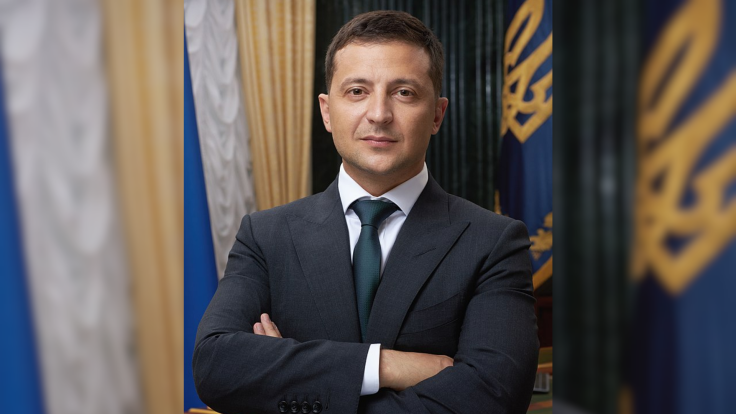
Speaking to reporters, Zelenskyy said, "Well, what can I say is, if you can do that with dictators, then the United States knows what to do next." His remark, brief but pointed, quickly went viral and has drawn attention for its wider geopolitical undertones.
The US operation detained Maduro, who faces long-standing criminal charges in the United States related to drug trafficking and corruption. Officials described the move as a law-enforcement action, but several countries expressed concern.
Spain said it would not recognize any intervention violating international law. Brazil called it a "flagrant violation of international law," while Mexico cited the United Nations Charter, urging respect for sovereignty. European nations were more cautious: France called for a peaceful and democratic transition, while Germany stressed careful consideration of the wider consequences. Argentina, however, welcomed the operation as a victory for freedom.
Zelenskyy's comment resonated because of his own ongoing conflict with Russia and his calls for accountability against authoritarian leaders. While he did not name any other leader or country, his remark was widely interpreted as a subtle signal about global expectations for action against dictators.
The capture of Maduro has reignited debate over the use of force, the limits of international law, and how far powerful nations can act against leaders accused of serious crimes.