The Knox county commission was questioning a property developer one evening in April three years ago when protesters quietly filed in to their auditorium and raised their fists in the air.
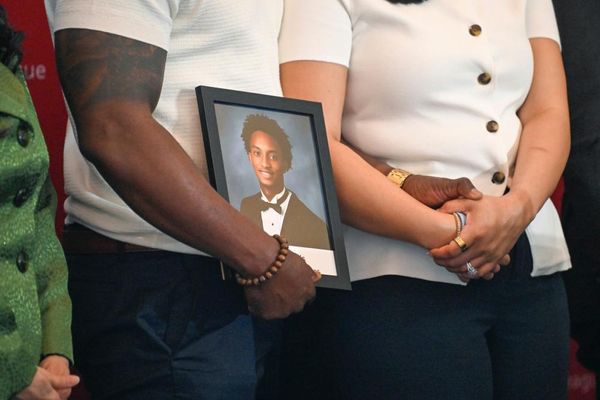
A week earlier, police had shot and killed 17-year-old Anthony Thompson Jr in a bathroom at his high school after they found him with a gun. Protests erupted in Knoxville, the county seat and largest city in eastern Tennessee, and one the loudest voices speaking out was Constance Every, who had organized demonstrations in the city during the national outrage that followed George Floyd’s death less than a year earlier. Now, she was in the county commission chamber with about two dozen others, intending to press them for the release of police body-camera footage that captured Thompson’s death.
As the protesters lined up near the meeting room’s back wall, Every, who was wearing a Black Lives Matter shirt, retrieved from her backpack a white T-shirt Thompson’s aunt gave her, which read: “Who do you call when the murderer wears a badge?” Then, she pulled out an electronic bullhorn, and sounded the siren.