Remember that scene in “The Lion King,” where Mufasa calls Simba to the top of Pride Rock and tells his son that one day, everything the sunlight touches will be his? Netflix co-CEO Ted Sarandos must put that scene on a loop every night to help him fall asleep. That way, it’s also the first thing he hears when he wakes up in the morning, ready for another busy day of using his money and power to make virtually everything so much worse. If only he let the scene play a little longer, he’d hear Mufasa’s critical addendum: “There’s more to being king than getting your way all the time.”
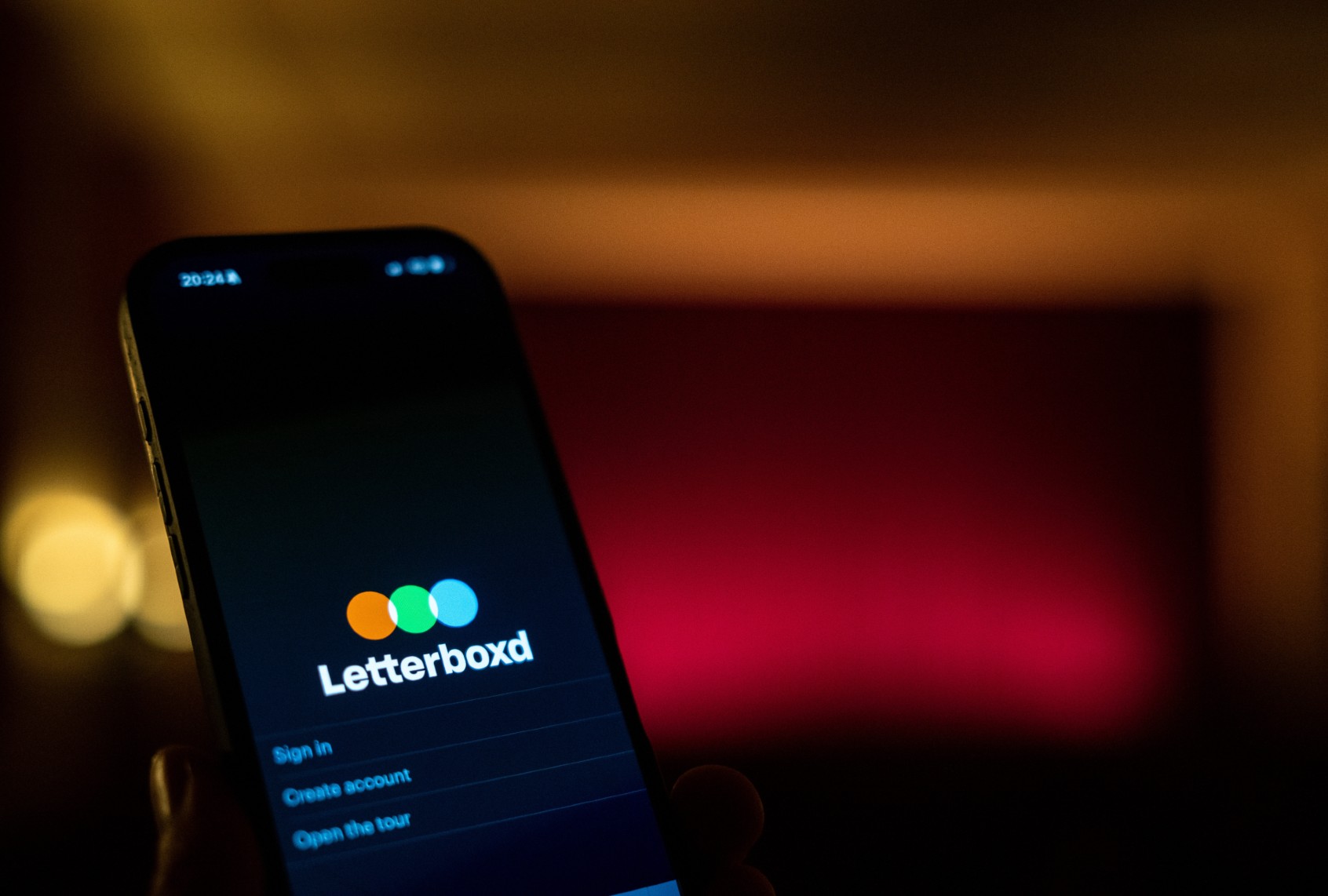
Last week, a still-unconfirmed report in Puck stated that Netflix is entering initial talks to acquire Letterboxd, the film-logging and review platform beloved by hardcore and casual cinephiles alike. Sony Pictures Entertainment, Paramount Skydance, private equity firms RedBird and TPG, and Reddit co-creator Alexis Ohanian have also reportedly tossed their hats in the ring, setting up early sales meetings with Letterboxd. In April, Semafor reported that Letterboxd was also in talks with Comcast spin-off Versant, which owns Fandango and Rotten Tomatoes. As of now, Letterboxd is majority-owned by the Canadian holding company Tiny, which has a 60% stake, while the remaining 40% is owned by the platform’s co-founders Matthew Buchanan and Karl von Randow.

Naturally, the news of a potential corporate sale hit the very active and very opinionated community of Letterboxd users like the two cars that bounce Brad Pitt back and forth between their windshields in “Meet Joe Black.” Each Friday, Letterboxd posts a prompt on its X account asking users to reply with their last four films logged on the platform. Hundreds of people treat the request like religion, posting screenshots of their recent ratings to find new people in the community to befriend and follow. But last week, the replies were inundated with complaints that Letterboxd had defected to the corporate dark side, along with fearful pleas for the platform’s owners to reconsider. An edited screenshot of Letterboxd’s user interface replaced the four film posters with a concise four-word appeal: “PLEASE. DON’T. SELL. OUT,” with the “N” in “DON’T” replaced by Netflix’s unmistakable red logo.
Some may argue that any platform scaling as fast as Letterboxd is bound to go corporate. Since its official debut in 2011, Letterboxd has amassed a whopping 26 million users. At that rate, the stable yet virtually limitless cash flow that comes from selling to a multi-billion-dollar company could be a boon for maintaining consistent growth and usability. (Letterboxd has become somewhat notorious for its extended server outages in the past couple of years.)
But there’s a major difference between Letterboxd selling to a mass-media company like Versant and a glorified porta-potty like Netflix — the dumping ground for all that is lousy and decrepit in film and television. Since its expansion from movie rentals and streaming into original content, Netflix has made it clear that its sole priority is Netflix, not its customers, and certainly not the art of visual media. For a platform like Letterboxd, which has built its brand on reverence for film and all those who love it, forking over ownership to a company like Netflix would be a cold act of back-stabbing betrayal. And while no brand is exempt from selling out, and tying your affection to a business is a fool’s game in the first place, if Letterboxd must change, the least they can do is change with a modicum of integrity.
Since 2011, Letterboxd has transformed from a simple film-logging platform where you can see what your friends are watching into a full-scale film media empire. The site and app are entirely free, but two paid tiers offer more profile customization, filters and features, all with zero third-party ads. It would be an understatement to say that the site’s library of films available for logging, rating and reviewing is extensive. Letterboxd houses virtually every film you could ever think of: blockbusters, indies, international films, softcore retro porn, short films, TV movies, that obscure film you caught half of on television when you were a kid but never stopped thinking about, and much, much more. A built-in function lets users add films to their watchlist with the touch of a button, and watchlists are easily sortable in case you’re in the mood for something specific.
In recent years, Letterboxd has made a foray into journalism, hiring an editorial team of staff and freelancers, who publish solid film writing on Letterboxd Journal. And on red carpets and film festivals, you can find movie and industry leaders feeding their four favorite films into a microphone emblazoned with Letterboxd’s orange, green and blue dot logo.
But despite all of this swift and massive growth, Letterboxd’s ethos has remained extremely simple: Cinephilia can be a solitary passion, but it’s made better with friends.
I’ve been an active Letterboxd user and one of the platform’s many evangelists for nearly a decade. It’s the only social media platform that doesn’t drive up my blood pressure within 15 seconds of logging on. While some use the site as a social network, I like to think of it as a personal diary. For those who use art to help shade in the textures of their lives — as sticking points to shape a memory — there is no better place to do so than Letterboxd. One of my favorite things about the site is that I can look back at the hundreds of films I’ve logged into one easily accessible archive to see what my opinion was on any given film, or who I watched it with and in what context. It’s an amazing place to keep track of your own opinions and watch how they transform. The first time I watched “Vox Lux” in January 2019, I wasn’t so sure about the Natalie Portman pop-star drama, giving it three stars. By the third time I’d logged it in 2020, “Vox Lux” earned a full, effusive five stars, a heart, and a glowing review.
Want more from culture than just the latest trend? The Swell highlights art made to last.
Sign up here
Like others, I have my own system of beliefs about how the platform is best used and how films should be logged. That’s one of the great things about Letterboxd: Everyone uses it differently, and those variations reflect a wide array of tastes in film. Some cinema snobs might find Letterboxd a distasteful asterisk on film culture. But if you really adore the art form, Letterboxd’s popularity is a rare net positive in an era when tech is largely being used to pit humanity against art and each other.
So, of course, companies like Netflix, Paramount Skydance and Sony would seek to corrupt that purity in pursuit of power. Netflix and other streamers have already split the film industry down the middle, separating those who venerate the art form from those who venerate the dollar, leaving many Hollywood titans flailing somewhere in the middle. Take Rian Johnson, whose deal with Netflix has led to his “Knives Out” films being relegated to tiny theatrical release windows in limited markets before being tossed onto the streamer. (If the franchise didn’t vie for awards, which require a theatrical release for consideration, it likely wouldn’t play in theaters at all.) Then there’s Greta Gerwig, who fought for exclusive 45-day theatrical releases for her upcoming adaptations of “The Chronicles of Narnia” — one of the first major films distributed by Netflix to break from the streaming model Sarandos pioneered. Sarandos has been openly cavalier about his belief that the theatrical release is “outdated,” going so far as to claim that Netflix saved Hollywood. But with the box office rebounding from the COVID-19 pandemic, boasting record returns over the last year, Sarandos and all media companies that subscribe to the Netflix business model are desperately seeking new ways to market bad films.
This is precisely why dedicated Letterboxd users fear a potential sale: If Netflix, Sony or Paramount gets its hands on the platform, Letterboxd is likely to go the way of everything else those companies touch. A streamer-owned film-logging platform can kiss objectivity goodbye. Letterboxd’s “popular with friends” feature would likely be littered with streaming slop. The recently launched Letterboxd Video Store — a “rental store built for film discovery,” filled with curated selections and unreleased novelties — would become a synergistic attempt to get users to pay to rent streamer-exclusive films without a subscription. Letterboxd Journal would be replaced by the advertorial “journalism” of Netflix Tudum, or lame writing about the library of films currently available on whichever streamer or studio makes the shiniest offer. Letterboxd, as we know and love it, would cease to exist, transforming into another nu-media ouroboros. Even if nothing gold can stay, must it always meet such a tragic end?
I wish there were a more pleasant answer. Maybe there’s a chance Letterboxd will be sold to Versant, and the company will integrate movie tickets and Rotten Tomatoes scores directly into its interface — it wouldn’t be the worst fate. But if I could log how many times I’ve seen this sort of film play out on Letterboxd, it would be one of my most-watched. MySpace and Tumblr, once spaces for boundless creativity, died the moment they sold out. Facebook revealed itself as Satan’s playground. Twitter opened a floodgate of Nazis and nonconsensual, illegal AI porn the moment Elon Musk took control.
Letterboxd was once a shining beacon among all of these horror stories, which already had their own unique problems before their formal acquisitions. In its 15 years of operation, Letterboxd has only adapted in ways that better serve its users and the film industry as a whole. Sure, it might be annoying that studios are trying to pass off overly enthusiastic five-star Letterboxd reviews as legitimate film criticism in marketing on posters and in trailers. But that’s not Letterboxd’s fault. The site’s only flaw is being a nice place to spend some time online — interacting with friends while finding new movies to watch and adore or abhor — in an age when online joy is punishable by death.
I guess if Letterboxd decides to sell to a media company and becomes objectively worse, disappointed users can migrate to A24’s physical, paper-bound film logs. There’s nothing unsavory there! Oh, that’s right, A24 just took $75 million of Google money to fund AI development. Pencil and computer paper, it is. If Netflix gets into the office supplies business, then we’re really screwed.