The identity of a forgotten Victorian serial killer believed to have killed as many as five women may have finally been uncovered after more than 130 years.
Just one year before Jack the Ripper rose to infamy in the capital, the so-called “Thames Torso Murderer” had embarked upon a series of murders of women, striking terror into the public and sparking a police investigation that turned cold due to lack of evidence.
Now, 139 years later, historian and presenter Lucy Worsley and a team of researchers including fellow historian and true crime author Sarah Bax Horton, has reinvestigated the series of murders for a new BBC programme, and has come up with a potential name connected to the killings.
“The killer’s hallmark was to dismember the bodies of his victims and to scatter the body parts up and down the river,” Worsley says in the introduction to the first episode of the series. “Given the name ‘The Thames Torso Murderer’, he was never caught.”
In 1887, London was the most populous city in the world thanks to growing industry, but it was rife with poverty and crime. In May that year, a lighterman working on the river discovered a bag floating downstream at Rainham, east London, which contained the “lower torso” of a woman’s body.
On 5 June at Temple Pier – in central London – a woman’s thigh, wrapped in fabric, was found floating in the water. A few days later, the upper part of a woman’s torso was found on the shore in Battersea, and then boys fishing in Regent’s canal discovered a right arm. The same day, also in the canal, someone found two severed legs. Police then searched the canal and found a left arm in the water. On 16 July, two months after the first body part was discovered, a labourer found a left thigh floating in the water at Camden Lock. Together, the body parts made up the almost complete body of a young woman, only missing the head and shoulders.
Police launched an investigation, but with little to go on, quickly drew a blank.
In September 1888, more body parts began showing up in the Thames, before a torso was discovered in the basement of the building site of Scotland Yard, which at that point was set to become the new headquarters of the Metropolitan Police.
“On one hand, he’s cautious and methodical, but on the other, he’s taking these crazy risks,” Worseley tells viewers.
As press interest in the case grew, a journalist who had brought his dog with him to the Scotland Yard building site discovered something the police had missed – another leg in the basement of the site.
More body parts began turning up the following year, in and around the river at Battersea and Chelsea, with ten dismembered parts in total – some wrapped in fabric. Just as in the other two cases, no head was ever found, but this time, the woman was around 7-months pregnant. One of the body parts was discovered in the garden of Shelley House, where the son of Mary Shelly, author of 1818’s Frankenstein, lived at the time.
In September 1889 a fourth victim was discovered in Whitechapel, and a potential fifth murder, over a decade later in 1902 in Vauxhall, was also linked to the Thames Torso Murderer.
After following various potential leads including the notoriously violent partner of one of the victims and another convicted killer who poisoned three women, the trail appears to grow cold, until true crime author Bax Horton suggests another potential lead.
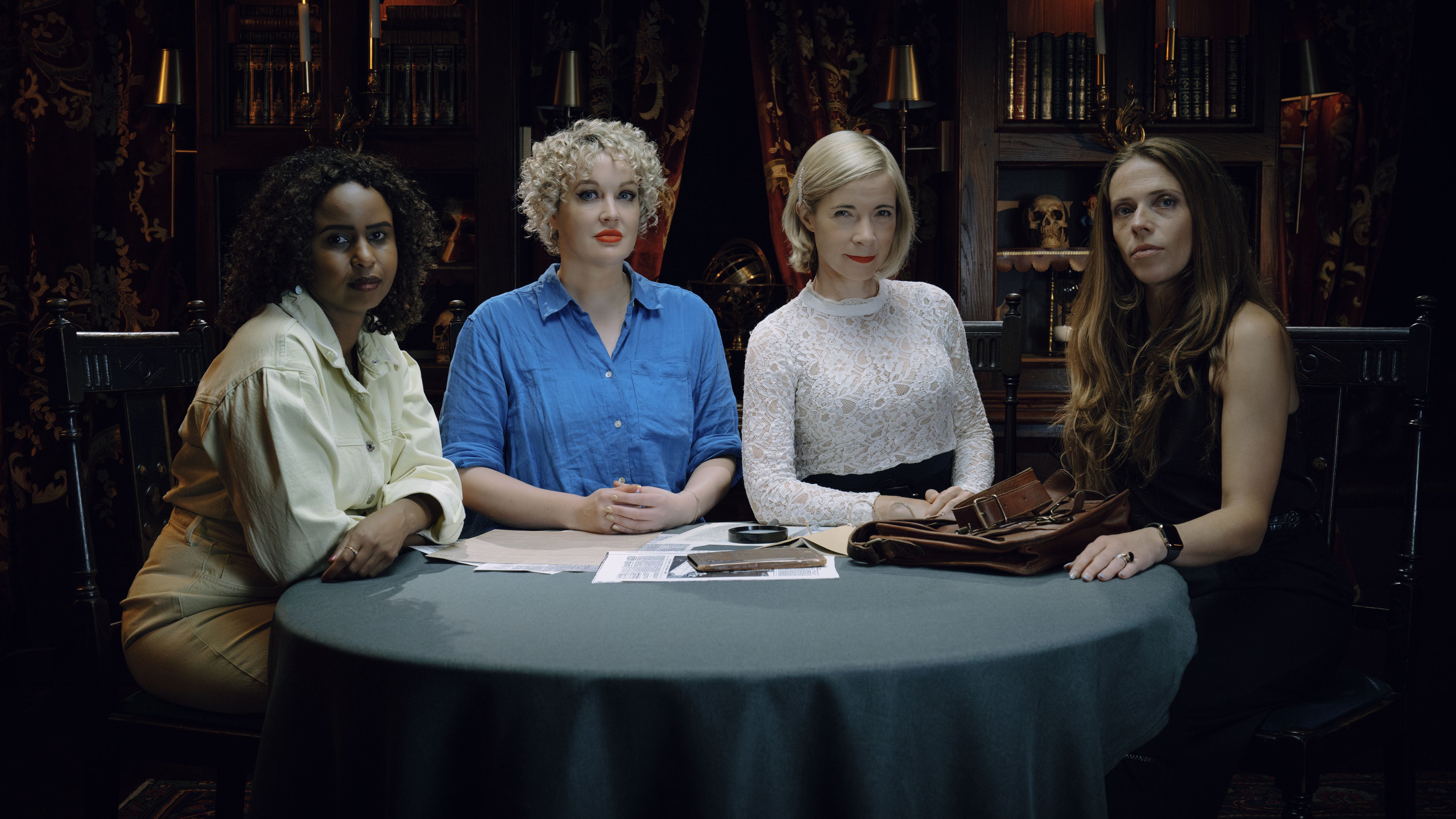
This is a man named James Crick, who had his own rowing skiff as well as a history of violence against women.
Records show he attacked two women: Jessie Miller and Sarah Warburton. Though Miller was raped, badly bruised, and ended up in the Thames, Crick claimed she’d consented, and his word was taken over hers.
However, Warburton testified that Crick had threatened her, saying “if you make a noise...I intend to settle you as I have done other women that have been found in the Thames.”
After he raped her, Warburton managed to escape, summoning help from a passing police boat. Crick was sentenced to15 years – tellingly, while he was in prison, the killings on the river stopped.
124 years after the killing spree ended, Worseley and her team believe they have made a breakthrough in the search for the murderer.
“I think there’s a very compelling case that we’ve got the guy,” Worsley said.
Lucy Worsley: Victorian Murder Club, airs at 9pm, 5 January on BBC2 and on iPlayer
New Year’s Eve revellers warned over chilly temperatures at fireworks displays
Houston serial killer rumors resurface after three more bodies pulled from same river
Who will inherit Rob Reiner’s wealth? The ‘slayer rule’ might play a role
Homeless shelters under pressure as temperatures plunge to sub-zero
Reform-led council under fire for plans to rip up Victorian lampposts
Migrants arrive in UK for first time this year after Channel crossing