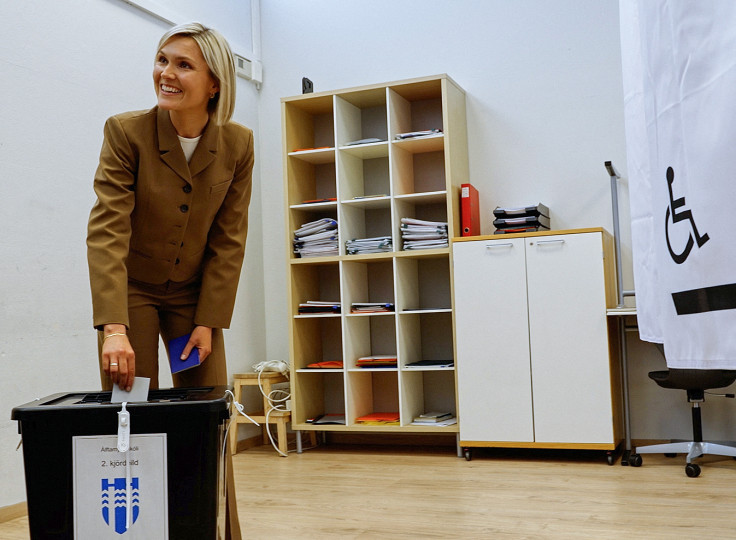
Iceland's voters delivered a narrow but unambiguous verdict Saturday, rejecting by a margin of 52.5 percent to 47.5 percent a government proposal to resume European Union accession negotiations that have been frozen since 2013. National broadcaster RÚV called the result, reporting that the No campaign secured its majority with rural constituencies swinging the final verdict after a night of vote-counting during which the lead changed hands repeatedly — early tallies had briefly shown the Yes camp ahead before the balance tipped decisively toward No as results arrived from outside the capital. A No vote will disappoint Brussels, which had cast Iceland as a low-risk case that could help ease skepticism toward EU enlargement and strategically strengthen the bloc when Arctic security is in focus.
Around 272,000 individuals were eligible to vote, and voter turnout was higher than, or at least comparable to, the 2024 parliamentary elections, when it reached 80 percent. The closeness of the count meant that reliable final figures were not expected until the morning, with ballots from remote towns and rural polling stations requiring transport by plane, boat, or car before counting could begin. That geography — Iceland's vast, sparsely populated hinterland reliably skeptical of EU commitments — ultimately shaped the result.