After over 25 years with a kitchen I’ve never been happy with, I’m finally planning a new kitchen design. I can’t put into words how excited I am at the thought of ripping everything out and starting again.
But taking on a complete kitchen overhaul is no easy task, even for me as a homes writer, who has interviewed both homeowners and kitchen businesses about this most prized room in our homes. What’s more, a kitchen redesign is an investment, and it’s worth taking the time to research and get everything just right.
That doesn’t just mean choosing the cabinetry and worktops; it also means upgrading appliances. And, perhaps swapping that old favorite, which is within your comfort zone, for an alternative.
That’s exactly what I’m going to be doing with my gas cooktop. Using a gas appliance has always been my preference, likely influenced by my mom, who also used gas. But, there’s one drawback to using a gas cooktop; and it’s even more annoying than not always having exact control over the flame. I’m fed up with the time it takes me to clean up the mess after I’ve cooked.
More control, less overspills
However careful I am about getting the flame level just right, my pans always boil over. What’s more, there isn’t just the base of the cooktop to clean, but the grates, burner caps and controls. And it’s one task that this cleaning fairy despises.
One swipe to a clean cooktop
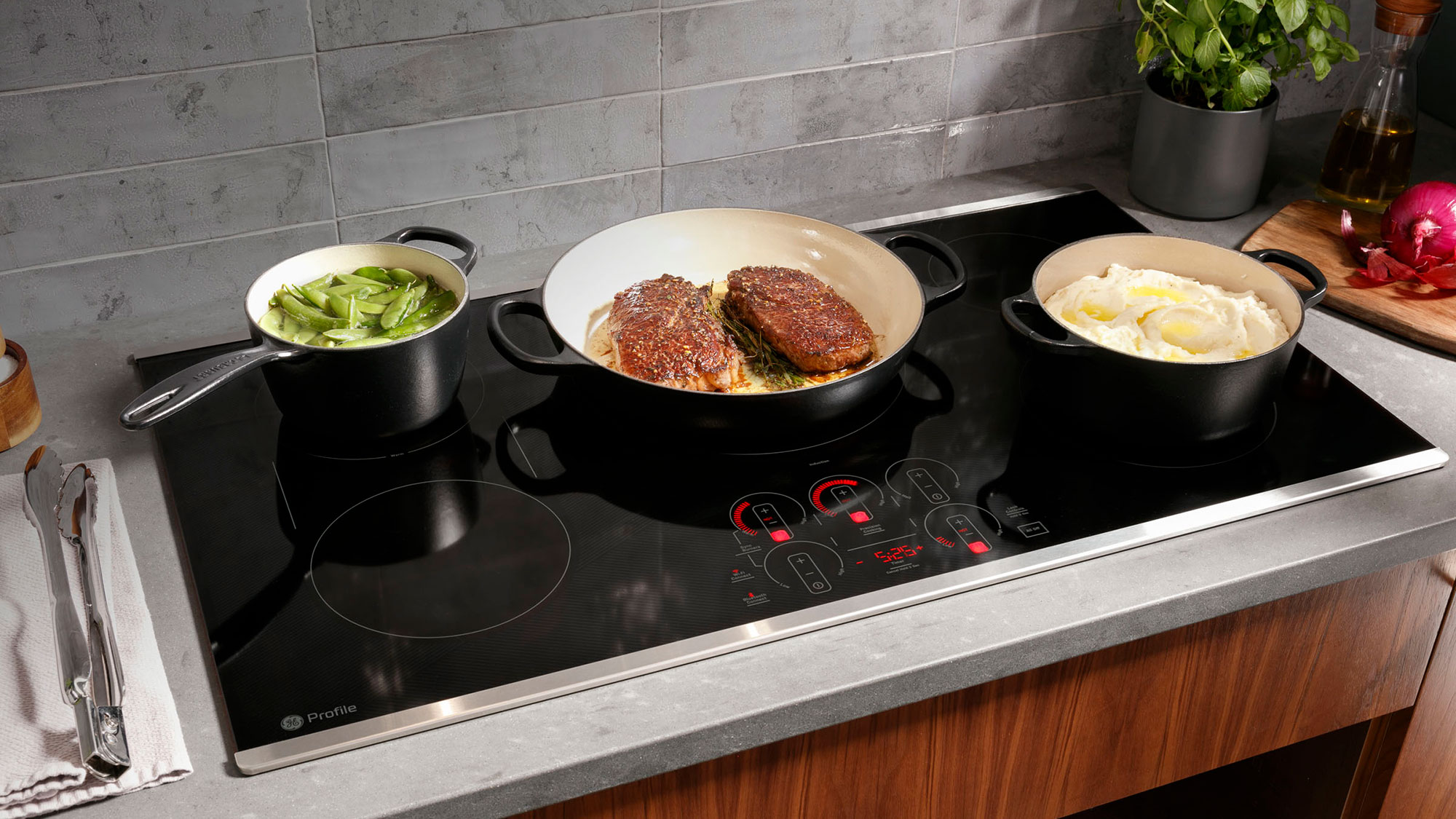
That’s why I’ll be choosing an induction cooktop for my new kitchen. The controls are more precise, reducing the risk of spills and messy splashes.
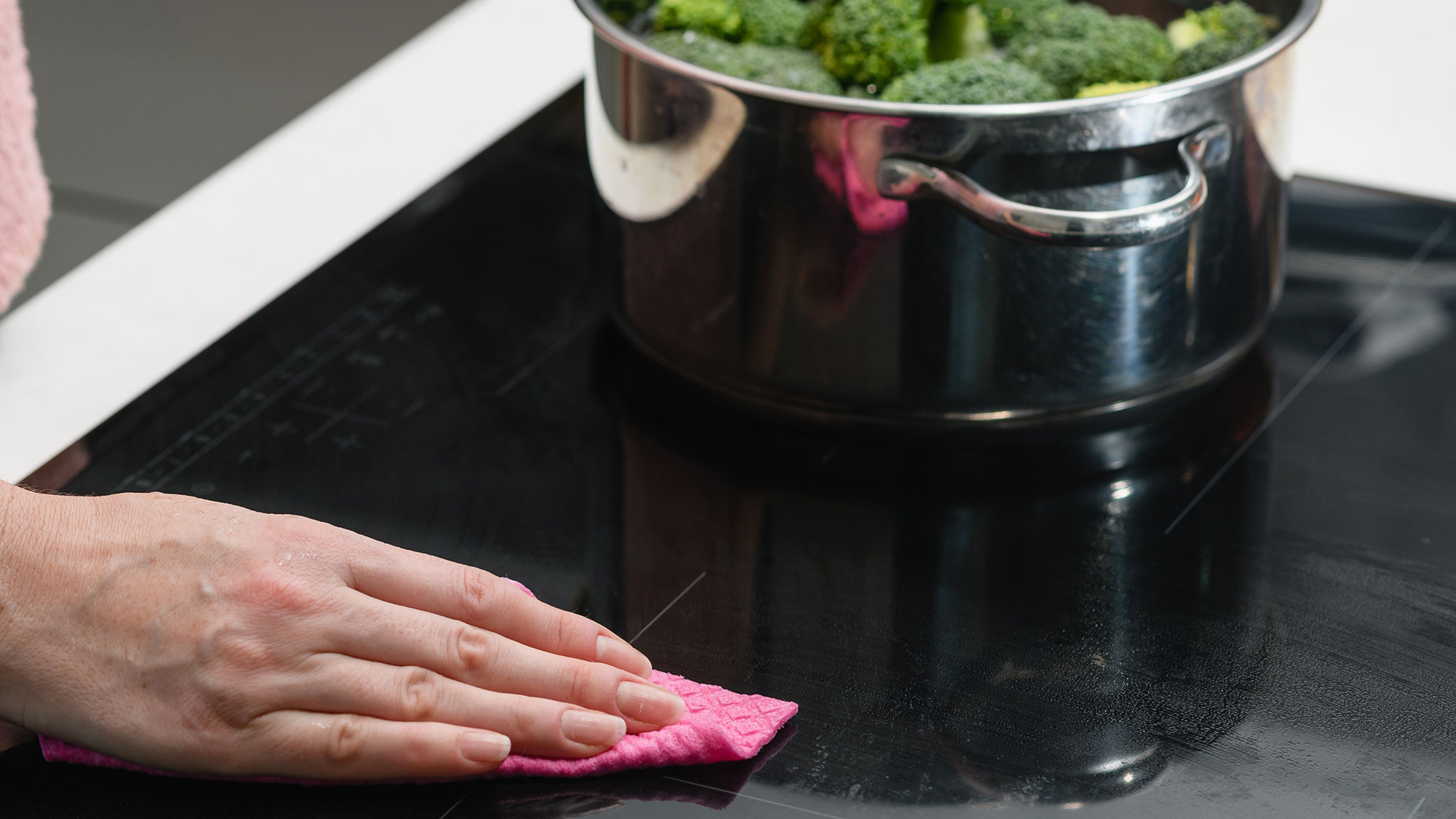
I can already imagine wiping it down in seconds, saving me time and reducing my frustration. The sleek surface of an induction cooktop is much easier to clean and maintain than its gas counterpart, making it a strong reason to consider an induction cooktop over a gas one.
Of course, there are many other reasons to switch to induction cooking, as shared by my colleague, Grace Dean, who has been cooking with induction since 2024.
It’s cool to clean
Besides extra cleaning, the cooktop has a flat, glass-ceramic surface with no extra parts to clean, so it stays cool, reducing the risk of burns. Why’s this? Instead of traditional heat-transfer methods for gas and electric, induction uses electromagnetic fields to pass heat directly to the cookware.
This means you’ll need to use magnetic cookware, such as stainless steel and cast iron, as non-magnetic metal, such as aluminium cookware, won’t work. If you’re unsure whether your pans will work on induction, you can try a cheap hack using a magnet.
However, don’t let the pan issue put you off. You might find that switching from what you’re familiar with to an alternative cooking method could make your life easier.

Follow Tom's Guide on Google News and add us as a preferred source to get our up-to-date news, analysis, and reviews in your feeds.