
There's nothing quite as overwhelming as the prospect of deep-cleaning your entire home. This year, I decided waiting for spring wasn't an option. After months of quiet accumulation, my space felt overrun with clutter, so I decided that the Lunar New Year presented the perfect opportunity for a refresh.
Why? Well, I've long admired Japanese design principles for their calm aesthetic, so I began looking to Eastern rituals for guidance elsewhere in my home. That's when I discovered Oosouji. Translating to "big cleaning," this is a traditional end-of-year ritual where homes, schools, and offices are thoroughly cleaned and decluttered ahead of January 1. Rooted in Shinto philosophy, Oosouji is about more than tidiness alone — it symbolizes purging the past year's negative energy to welcome an era of renewal in the New Year.

Of course, we're nearly two months into 2026 already, but the spirit of Oosouji isn't bound by the calendar. Inspired by the Lunar New Year on February 17, I committed to a full-scale reset the day before. Here's what the ritual taught me about deep cleaning with intention, and how it can be truly transformative for your home.
What Is Oosouji?

While researching Japanese decluttering methods, the one that spoke to me the most was Oosouji. The ancient practice is followed in Japan at the end of each year, serving to cleanse the home and purify it for the new year ahead. It involves decluttering anything that no longer serves you and thoroughly cleaning to create a fresh space for new beginnings.
"The Japanese Art of Oosouji is a once-a-year deep clean," explains Cathy Orr, a Konmari consultant and founder of The Uncluttered Life. "It’s a big spring cleaning, of sorts, and helps to reset Feng Shui and purge both emotional and physical clutter."
She recommends pairing it with Danshari, a three-fold decluttering technique grounded in the philosophy of separating yourself from the material. "The practice thus resets both your physical space and emotions/mind," says Cathy. "Oosouji is also a way to remove bad luck and stagnant energy."
Instead of following the guidance throughout December, I decided that the Lunar New Year presented the perfect opportunity to test Oosouji out in my own home. Knowing that tidying is never recommended on the first day of the Chinese calendar (as it's thought to sweep away the good fortune and wealth that arrives), I spent the few days leading up to February 17th cleaning my entire apartment, and the results couldn't be more effective. Here's how I did it.
1. Set Your Intention

Oohsouji may be about deep cleaning, but the practice truly begins before the first surface is wiped. Before you start tackling your home, take a moment to define what this reset means to you. Is it about creating a calmer, more minimalist space, or is letting go of clutter your main motivation? Once you establish a goal, the rest of the process will flow more easily.
2. Declutter Room by Room
Before deep cleaning, remove what doesn't belong. I decided to work methodically, room by room, using the Konmari method to tidy by category. With each item, ask yourself if you'd bring it into your home today. If the answer is no, you can let it go. Remember, Rome wasn't built in a day, so you don't have to complete an Oosouji deep clean in one sitting. The process took me three days in total.
This is where you might also want to introduce Danshari, another Japanese decluttering principle. This tradition combines three concepts: refusing unnecessary items (Dan), disposing of clutter (Sha), and separating from material desires (Ri) to create more mental and physical space. This will help you to only keep hold of things that are actually necessary.
3. Clean Top to Bottom

Next, it's time to move on to the cleaning. You should always work from high to low, ensuring any dust and debris falls downwards and isn't reintroduced. I started by dusting my ceiling corners, light fixtures, and the tops of cabinets, then moved on to shelves, surfaces, windows, and furniture.
I finished by wiping down the skirting boards and finally cleaning the floor. Since Oiosouji is about deep cleaning, I was as thorough as possible, wiping down the inside of cupboards and behind appliances. It's a time-consuming but cathartic ritual, serving as a great reminder of which items are of true value in my home. Afterall, Japanese cleaning philosophy is all about cleaning with intention, reaffirming harmony, and instilling an appreciation for our home.
4. Reset and Reorganize
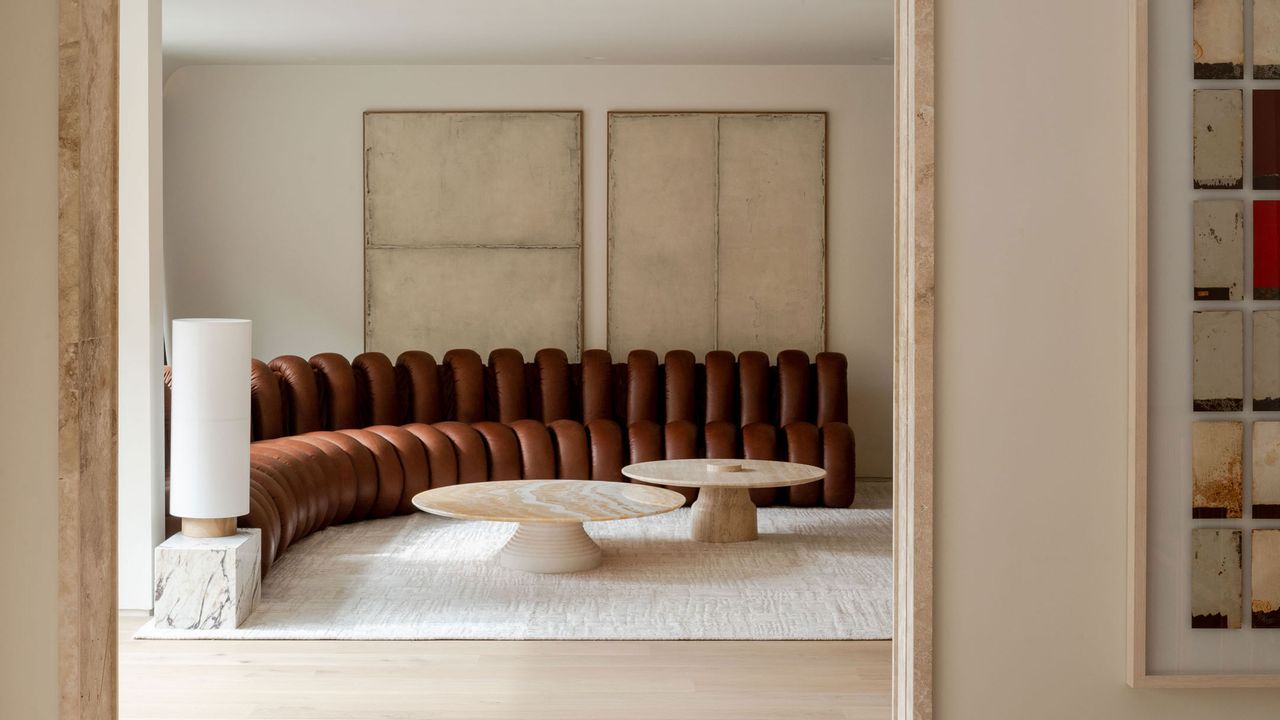
Finally, once everything is clean, only return what you truly need, organizing by frequency of use, logical placement, and visual calm. Introduce some organizational systems, but only if necessary. Follow the disciplines of minimalist interior design and don't be afraid of negative space. It will help you create a space that feels visually cleaner and calmer.
Written by Matt Paxton, this book explores releasing and letting go of things that no longer serve you, as well as identifying the items that might just be worth keeping.
Francine Jay gives readers an insight into having less stuff and finding joy in such. She guides readers into simplifying their lives and managing the overwhelm of clutter.
Based on the BBC One show: Sort Your Life Out, this book explores what you need to do to successfully declutter in your home through three transformative methods.
Oosouji may be rooted in New Year traditions, but there's no reason why this Japanese approach to cleaning can't be followed any time of year. Whether you're entering a new era of your life, moving home, or simply looking to restore order to your space, this ancient philosophy is all about celebrating out with the old, and in with the new.
Overwhelmed by the thought of cleaning your whole home at once? Embrace an easy household cleaning schedule that helps you keep on top of your stuff day to day.