Somewhere between 9 a.m. and 2 p.m., the day starts to splinter. I do my best to stay "in the zone" by setting reminders and writing tasks down on sticky notes, but before I know it, it's 5 p.m., and there's still a lot on my plate.
From Slack messages and unexpected tasks to meetings breaking my flow, I respond, pivot and open one more tab. Then another.
By mid-afternoon, my workspace is a mess with dozens of open tabs, half-written drafts and a Downloads folder overflowing with "temporary" screenshots. If I have these competing priorities — none of them feel finished, and panic sets in. I know this isn’t a workload problem; it’s a layers problem.
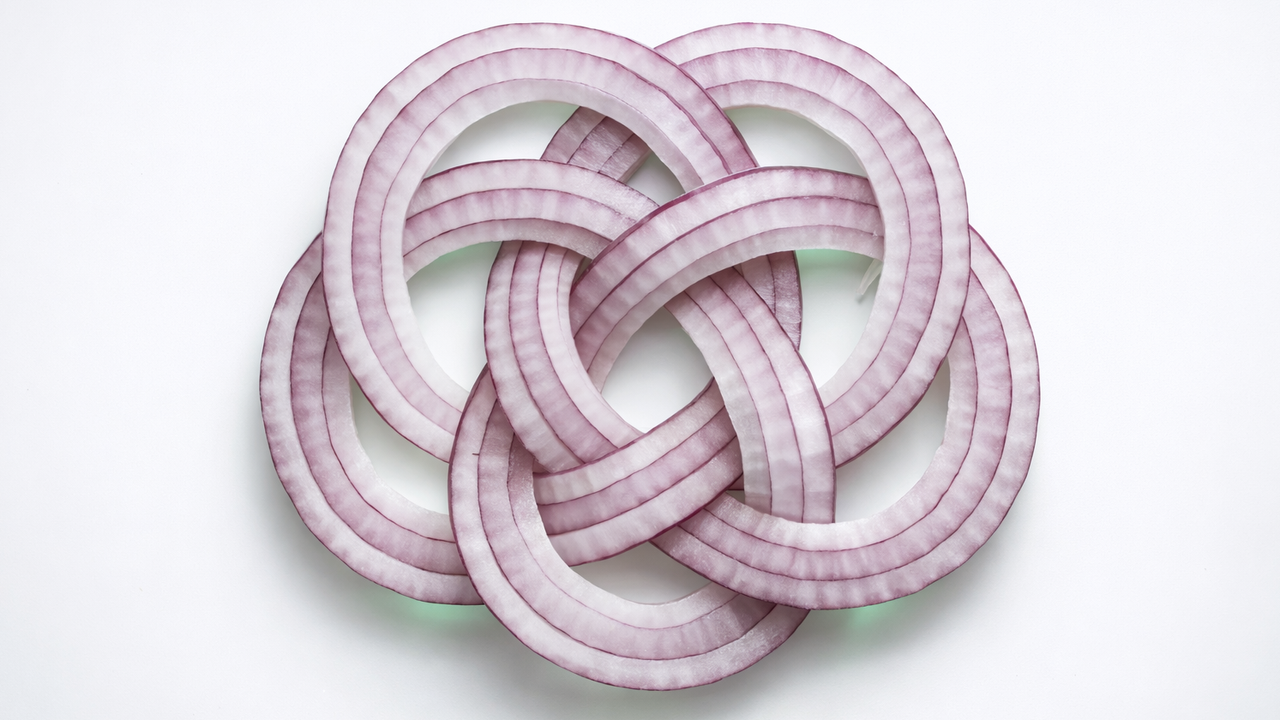
Modern work doesn’t overwhelm us all at once. It builds in layers of urgency, noise, and “just in case” tasks until the truly important work disappears beneath them. To find your focus again, you don't need a new planner; you need to peel back the noise.
That’s where the Onion Prompt comes in.
What is the onion prompt?

The onion prompt is what I use when I need quick clarity and a workflow that strips away the layers hiding my real priorities. Instead of manually sorting through the clutter on my desk and suffering decision fatigue, I capture everything competing for my attention and let AI peel it back layer by layer — until only what truly matters remains.
Think of it as removing the noise to reveal the core. It works with ChatGPT, Claude, Gemini and just about any other AI chatbot — basically whatever app I have open.
Why “peeling layers” works

We keep tabs open, save articles and hold onto tasks because we fear losing information. Psychologists call this the Zeigarnik effect: unfinished tasks stay active in your memory, quietly consuming attention like background apps draining your phone’s battery. Over time, these reminders pile up and obscure what actually moves the day forward.
The onion prompt works by forcing progressive clarity. You surface everything competing for attention, remove low-impact layers, separate urgency from real importance and reveal the small set of actions that create momentum. Instead of organizing clutter, you remove it.
How to use the onion prompt

This workflow is intentionally platform-agnostic. Whether you’re buried in browser tabs or drowning in mobile notifications, the process is the same.
Step 1: Capture the layers. Choose the fastest method available. On a desktop, take a screenshot of your open windows or list the visible files. On mobile, copy your open tab links or voice-dictate your tasks. If the clutter is mostly mental, simply write down the five things weighing on your mind. Don’t organize — dump.
Step 2: Run the prompt. Paste your list into your AI chatbot of choice with this command:
“I feel buried under competing tasks. Below is a snapshot of everything active. Peel back the layers and categorize items into:
• Core (essential progress)
• Important (schedule soon)
• Surface noise (quick admin)
• Remove (close or ignore)
Then identify the top 3 priorities for the next 90 minutes and tell me what I can safely let go of right now.”
Review. Remove. Continue.
The onion rule: Remove one layer immediately

To make the reset meaningful, follow one rule: close, delete or defer at least 20% of what you captured. This is the peel. Forward progress doesn’t require holding onto everything.
Most of what we keep open is protective clutter — the “just in case” tabs and “I might need this later” drafts that quietly consume your attention without moving the day forward.
If the AI flags it as surface noise, trust the call and remove the layer. Reality check: You can always open the tab again. It's not ever gone. You could even open ChatGPT Projects or bookmark it to keep it safe.
Bottom line
Research on the Zeigarnik effect shows that incomplete tasks create a kind of mental tension that persists until the task is either finished or deliberately set aside. This is why 40 open tabs doesn’t just slow your browser; it slows your thinking.
The onion prompt helps by restoring objectivity — AI prioritizes without the emotional attachment you have to that “interesting” article you opened four hours ago. It reduces cognitive load because once a task is categorized, your brain releases it. It converts noise into action by moving you from scanning to execution.
The reset and clarity that comes from removing what isn't essential is priceless. When I feel like "everything is urgent!" I know that I need to pull out this prompt immediately.
The important stuff always disappears under layers of what seems urgent, excess noise and unfinished loops. The onion prompt gives you a fast, repeatable way to reveal what actually matters.

Follow Tom's Guide on Google News and add us as a preferred source to get our up-to-date news, analysis, and reviews in your feeds.